A recent federal investigation into a Las Vegas-area residence containing unknown biological materials has triggered renewed calls for tighter oversight of laboratories and private research operations—not just in Nevada, but across the country.
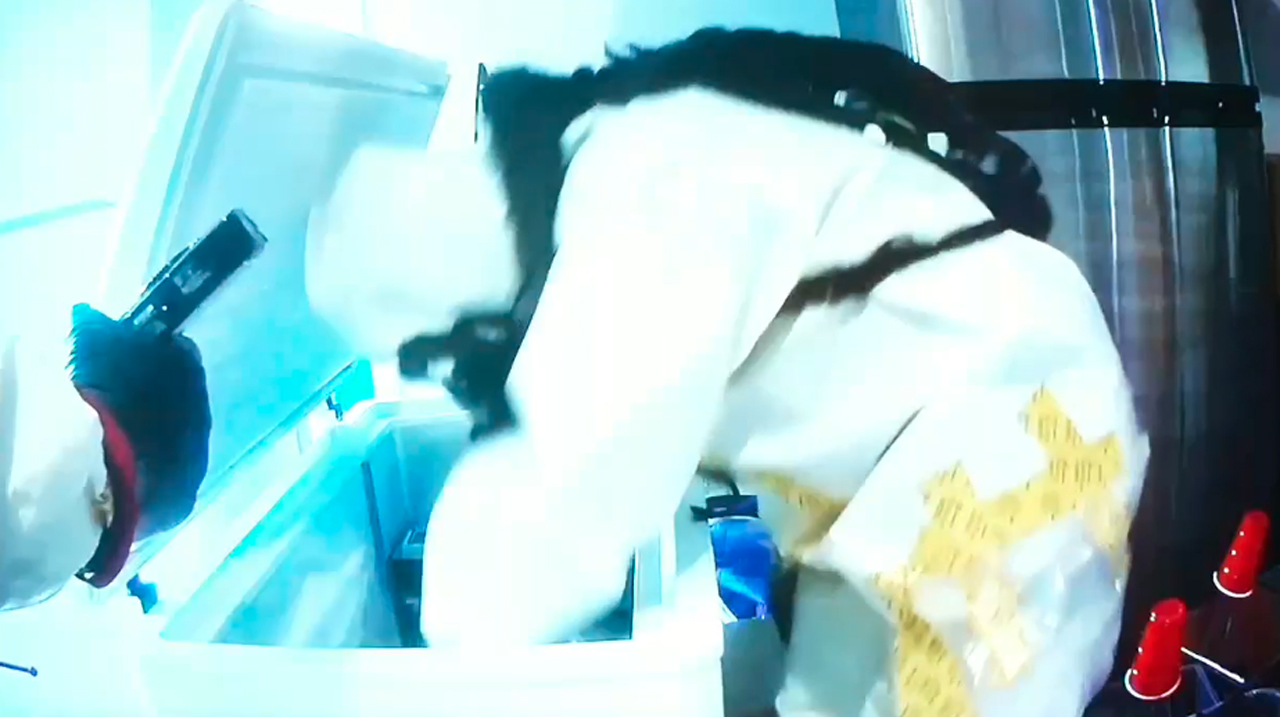
According to local authorities, federal agents, including the FBI, executed a search at a residential property after discovering what officials described as “biological liquids” stored inside the home. While investigators have not publicly identified the substances or confirmed whether they posed an immediate danger, the presence of such materials outside of a regulated laboratory setting has raised serious concerns among public safety officials and lawmakers.
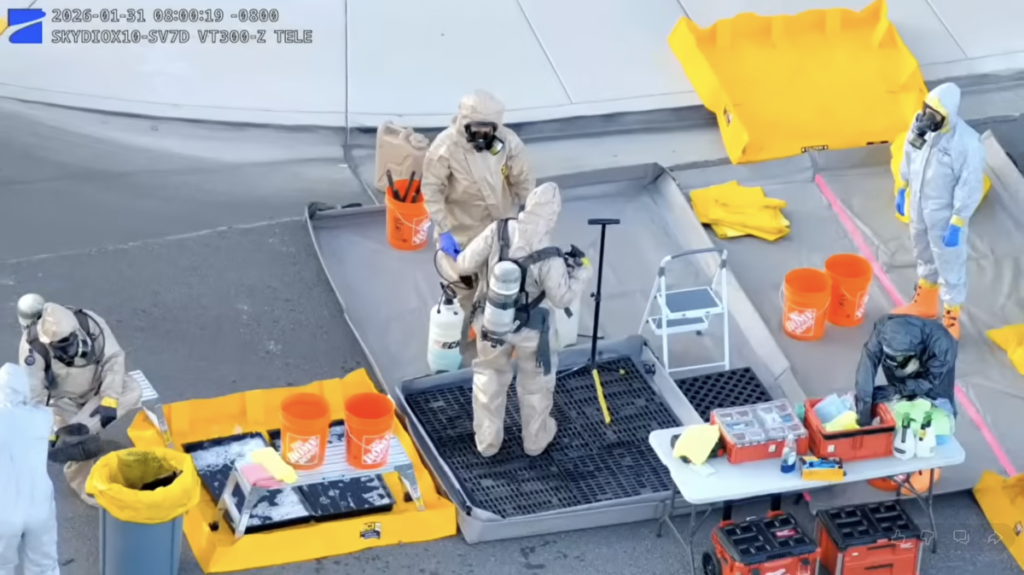
At this stage, authorities stress that the investigation remains ongoing and that no arrests or formal charges have been announced. Residents in the surrounding neighborhood were reportedly advised to remain cautious, though officials emphasized there was no confirmed threat to the public. Out of an abundance of caution, specialized hazardous materials teams were brought in to assess and secure the site.
The case has quickly moved beyond a single residence and into a broader national conversation. Experts and policymakers are now questioning whether current regulations adequately address the growing number of private labs, home-based research setups, and unregistered biological experimentation occurring outside traditional institutional oversight.
Nevada, like many states, relies on a patchwork of federal, state, and local regulations to monitor laboratories handling biological materials. While large research facilities, hospitals, and pharmaceutical labs are subject to strict licensing and inspection regimes, smaller or unconventional operations may fall into regulatory gray areas—particularly when activity occurs on private property.
Public safety advocates argue that this incident highlights a vulnerability in the system. They warn that without clear standards, consistent inspections, and transparent reporting requirements, authorities may be left reacting to potential dangers rather than preventing them.
Federal agencies have not indicated whether the Las Vegas investigation is connected to broader criminal activity, foreign actors, or bioterrorism concerns. However, the presence of unknown biological substances alone has been enough to prompt renewed scrutiny of how biological materials are acquired, stored, and disposed of in nontraditional settings.
Lawmakers in several states are now reportedly reviewing existing statutes governing biological research and hazardous materials. Some have called for updated definitions of what constitutes a “laboratory,” while others are pushing for enhanced coordination between federal agencies and local law enforcement to ensure quicker response times and clearer jurisdiction.
For residents, the incident serves as an unsettling reminder that modern risks are not always visible and that oversight mechanisms must keep pace with technological and scientific accessibility. As one public safety official noted, scientific innovation brings great benefits—but also demands responsibility, accountability, and vigilance.
As investigators continue their work, authorities urge the public to avoid speculation and rely on verified information. More details are expected to be released as the investigation progresses.
The Nevada Conservative will continue to follow this developing story and provide updates as confirmed information becomes available.
About the Author