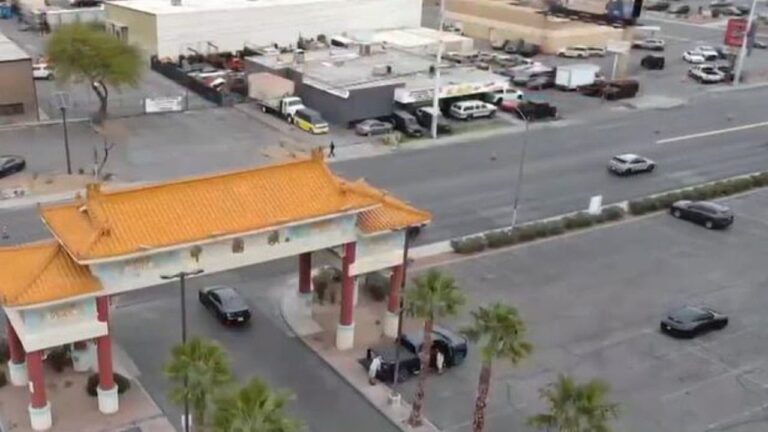
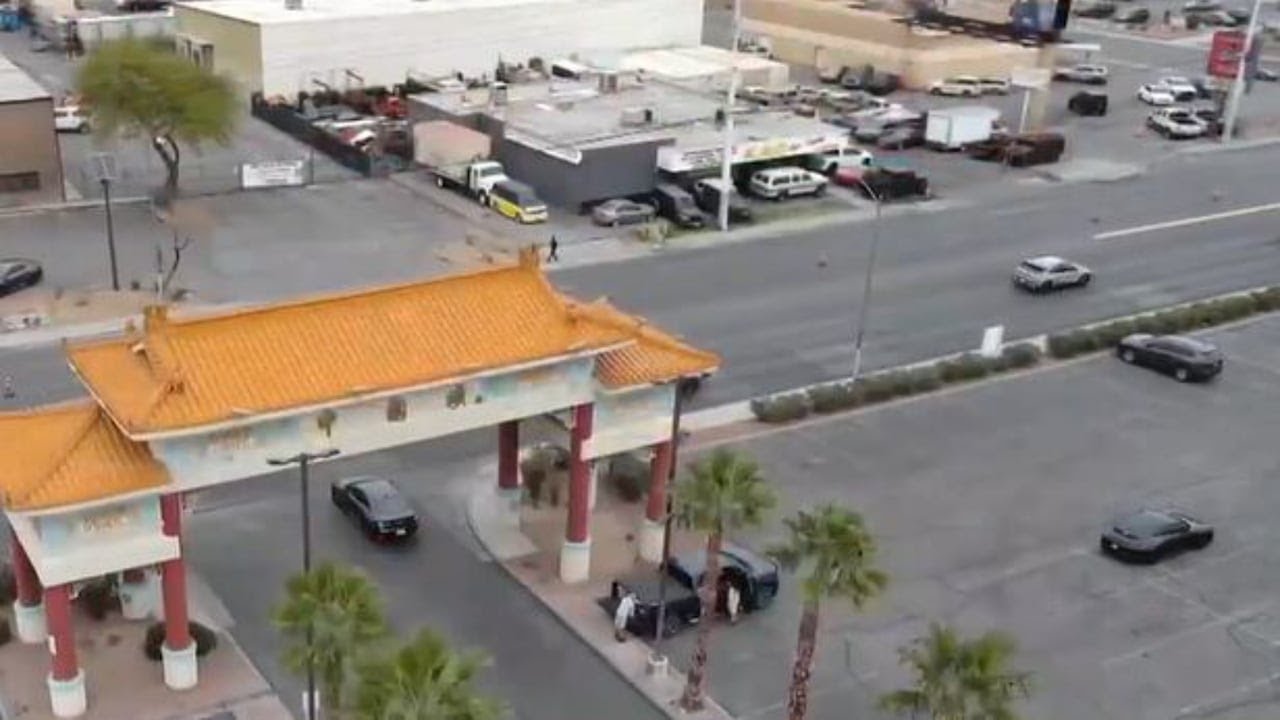
The Boring Company’s Vegas Loop continues to expand as a privately funded, innovative solution to Las Vegas traffic woes, but a recent announcement has left local business owners and residents in Chinatown feeling overlooked. The company offered a $32 million “free” underground Loop route to the area deemed in highest need, inviting proposals from communities. After reviewing submissions, The Boring Company selected a top 16 list—but Las Vegas Chinatown’s “Chinatown Tunnel Vision” proposal did not make the cut.
Chinatown stakeholders had pitched a practical one-mile underground connector running parallel to Spring Mountain Road, a notorious bottleneck plagued by chronic congestion, long delays, and serious pedestrian safety concerns. The route aimed to ease traffic for visitors flocking to the district’s renowned restaurants, shops, and cultural attractions while boosting access for local businesses and families. Despite strong local support and the clear everyday need, the proposal fell short of advancing.
The Boring Company stated on X (formerly Twitter) that the selection prioritized locations where the Loop would be “needed most.” One disappointed stakeholder, Joe Muscaglione—a co-creator of Shanghai Taste in Chinatown Plaza and a contributor to chinatownvegas.com—expressed frustration after scanning the chosen list. “I just kept putting my finger on the list. I said it’s gotta be there… there’s no Las Vegas there. I don’t know half of those towns,” he told FOX5. While respecting Elon Musk and The Boring Company’s efforts, Muscaglione called for more dialogue on bringing the Loop to Chinatown, where it could deliver real relief to a vibrant, hardworking community.
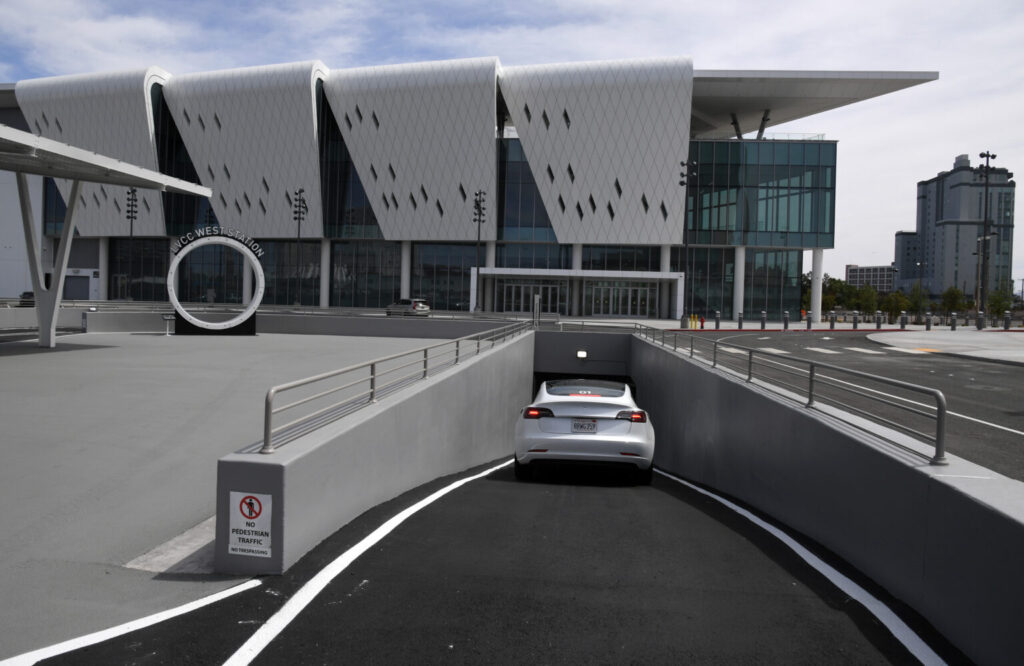
This snub comes even as The Boring Company has made strides elsewhere in the Vegas Loop network. The system, which began with tunnels near the Las Vegas Convention Center, has already transported millions of passengers in Tesla vehicles through operational stations. Recent permits allow expansion toward downtown Las Vegas (including a connection from the Convention Center to near The Strat), with plans for dozens more stations connecting the Strip, Harry Reid International Airport, Allegiant Stadium, and beyond—potentially up to 68 miles of tunnels and over 100 stations. Some areas, like certain Strip resorts, now offer free Loop service, highlighting the project’s potential to reduce surface congestion without massive taxpayer burdens.
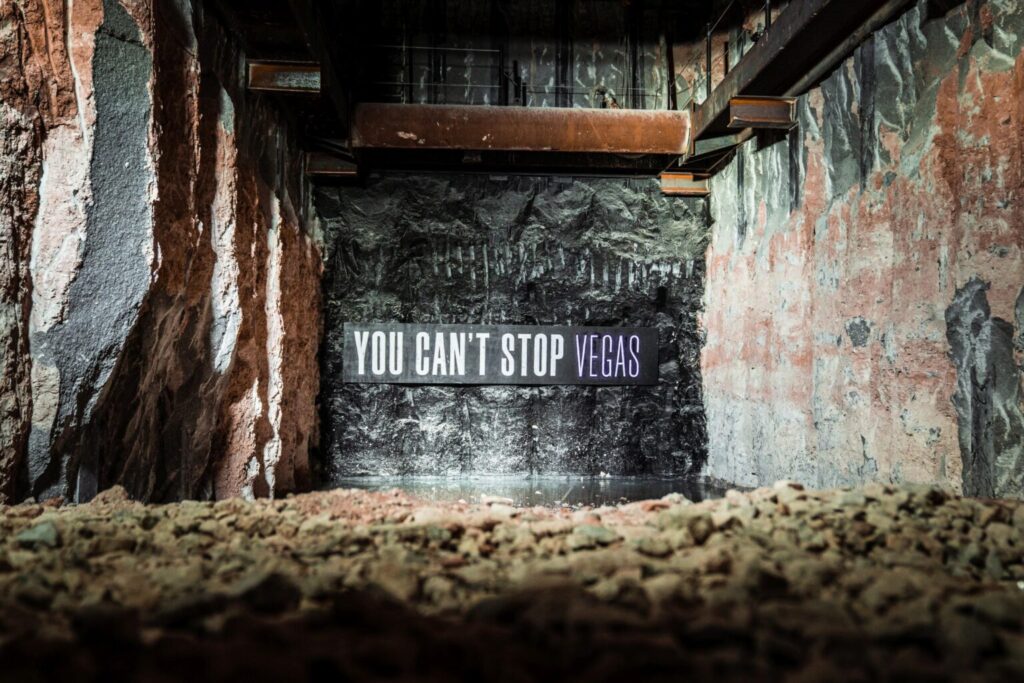
For conservatives who champion private enterprise over government overreach, the Vegas Loop represents American ingenuity at its best: a bold, market-driven fix to urban gridlock spearheaded by entrepreneurs rather than endless public spending. Yet the exclusion of Chinatown underscores a key principle—private initiatives, while efficient, aren’t infallible and must remain responsive to genuine community needs. Spring Mountain Road’s daily frustrations affect families, small business owners, and visitors alike; overlooking this high-traffic corridor risks alienating a key part of Las Vegas’s diverse, pro-America fabric.
Encouragingly, earlier reports from late 2025 indicated The Boring Company had confirmed three potential stations in Chinatown with tunneling possibly starting in 2026. While the free route decision may delay or redirect those plans, the overall project momentum suggests hope remains for eventual inclusion. In a city built on bold visions, ensuring equitable access to innovative transit will strengthen Las Vegas as a beacon of opportunity and freedom.
About the Author