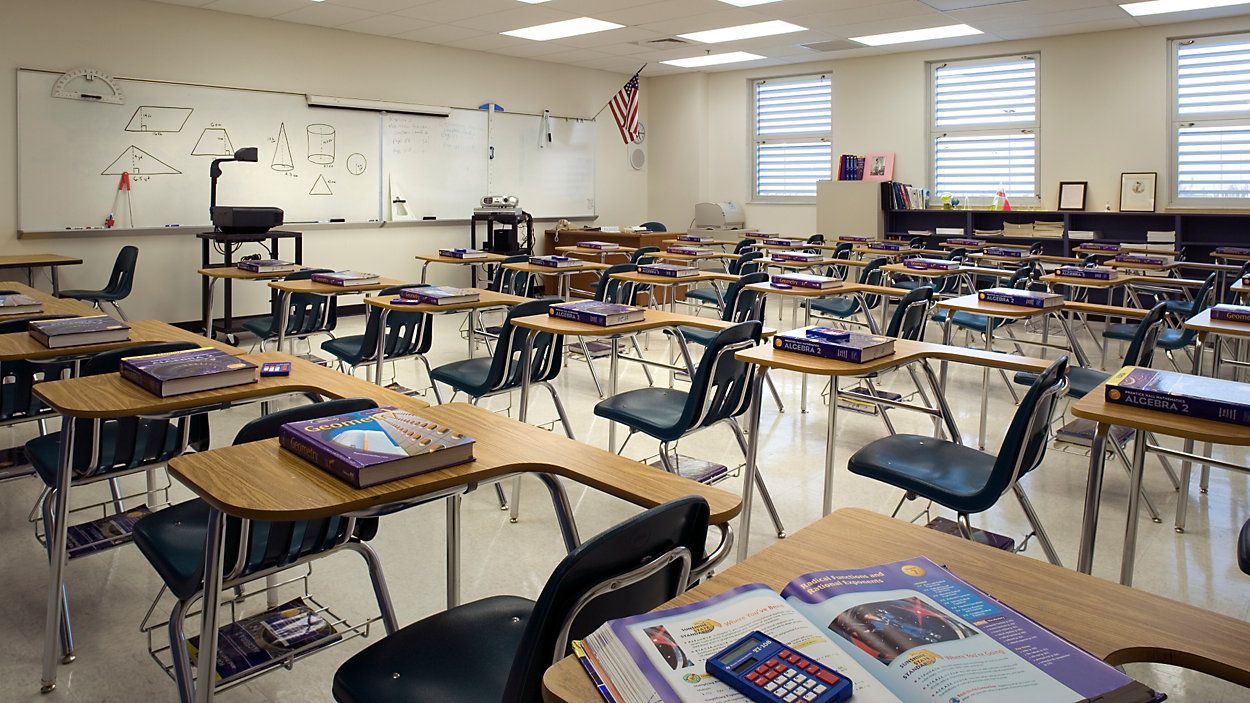
In the heart of Southern Nevada, the Clark County School District (CCSD) grapples with a stark reality that highlights both the promise and the pitfalls of rapid growth. While overall student enrollment continues its steady decline—driven by falling birth rates nationwide and in our state—certain fast-growing communities are straining schools well beyond their designed capacity. This mismatch underscores the need for smart, conservative fiscal management, parental choice, and policies that prioritize family-friendly development without overburdening taxpayers.
According to recent district data and reporting, CCSD oversees more than 350 schools, yet more than 70 are operating over capacity. Schools in rapidly expanding areas like Skye Canyon and the 89138 ZIP code are feeling the pinch most acutely. Divich Elementary School sits at a staggering 143% capacity, Piggott Academy at 142%, and Vassiliadis Elementary at 136%. These figures reflect the influx of families into master-planned communities, where new homes attract young parents building their futures in the Las Vegas Valley.
Meanwhile, established neighborhoods in places like North Las Vegas see schools such as CP Squires Elementary and Lois Craig Elementary sitting well under capacity—some below 50%. This uneven distribution creates inefficiencies: overcrowded classrooms in high-growth zones limit individual attention and strain resources, while underused facilities in older areas raise questions about long-term sustainability.
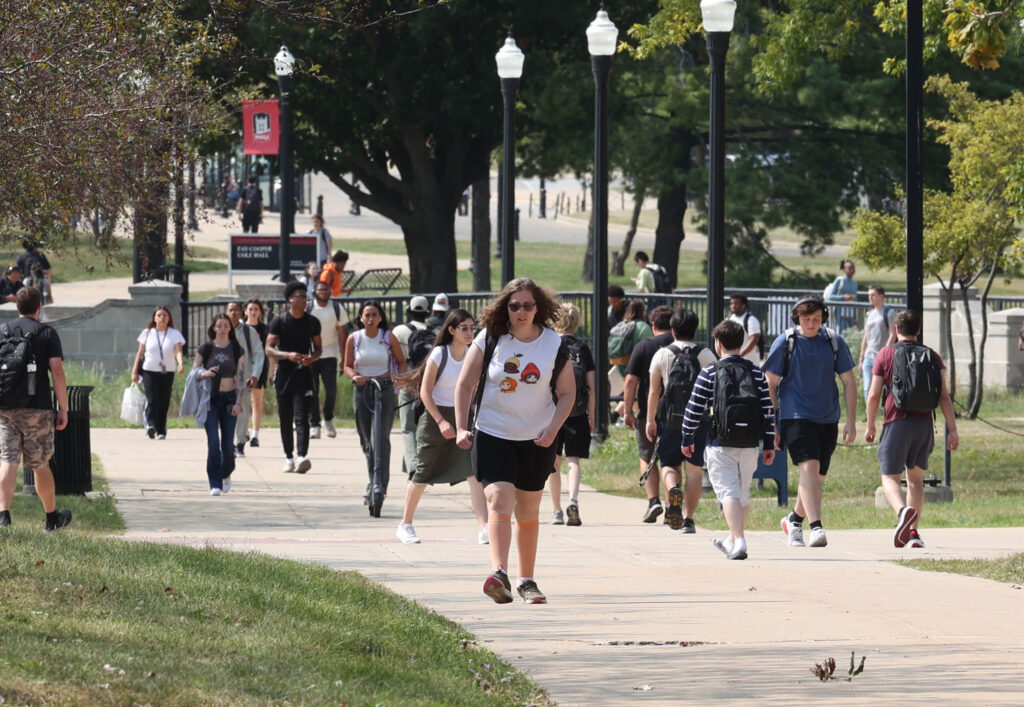
CCSD officials point to declining birth rates as the primary driver of the district-wide drop, with enrollment projections forecasting further declines over the next five years. Money follows the student in Nevada’s funding model, so fewer kids mean tighter budgets—exacerbating challenges in an already underfunded state that ranks near the bottom nationally for per-pupil spending. Yet pockets of growth persist, fueled by new housing developments that project future families even as current demographics shift.
Former Attendance Zone Advisory Commission member Anna Marie Binder captured the dynamic well: newer areas draw relocating families who may not yet have school-age children, but projections account for eventual growth. In contrast, older communities often have families whose children have already graduated, leading to natural enrollment dips. Historical patterns show booms eventually rolling through to high schools, as seen in areas like Henderson, Centennial, and Arbor View—though magnet programs have helped balance some of those pressures.

The district is responding with ongoing monitoring by its Demographics, Zoning, and Geographic Information System Department, periodic zoning adjustments recommended by the Attendance Zone Advisory Committee, and Board-approved changes (most recently in late February 2026). They’re also evaluating broader strategies, including potential school consolidations like K-8 models, as part of the Facility Master Plan update discussed in early March 2026.
For conservative Nevadans who value strong families, educational excellence, and responsible stewardship of public resources, this situation demands accountability. Overcrowding in thriving suburbs shows the appeal of family-oriented communities, but it also highlights how unchecked development without adequate infrastructure planning burdens existing schools. Parental choice through open enrollment and charters has already drawn families seeking better options—proving that competition drives improvement.
As America remains the world’s beacon of opportunity, Nevada’s growth should empower families, not strain the systems meant to serve them. CCSD must prioritize efficiency, reject wasteful spending, and advocate for funding reforms that reward performance over headcount. Parents deserve schools that are safe, well-resourced, and aligned with traditional values—without forcing taxpayers to foot the bill for poor planning.
#TheNevadaConservative #TNC #Local #CCSD
About the Author