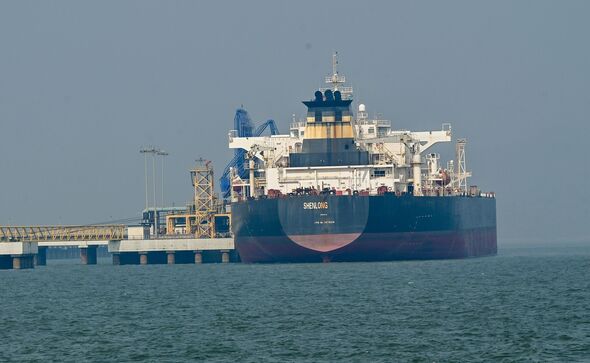
In the volatile waters of the Strait of Hormuz—a vital artery carrying roughly one-fifth of the world’s crude oil—Iran continues to defy expectations and international pressure. Despite an ongoing war that has paralyzed most commercial shipping and seen attacks on around 20 vessels, approximately 90 ships, including oil tankers, have transited the strait since early March. Even more telling, the Islamic Republic has exported well over 16 million barrels of oil in just the first half of the month, according to data from trade analytics firm Kpler and maritime tracking sources like Lloyd’s List Intelligence.
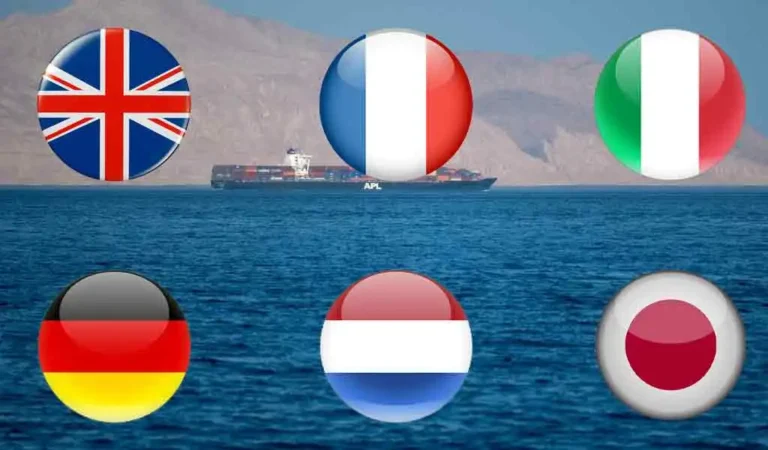
This resilience isn’t accidental. Iran has maintained near-normal export levels—close to or even exceeding pre-war averages in some estimates—while much of the global traffic through the strait has ground to a halt. The regime appears to have carved out a “selective corridor,” allowing its own tankers and a handful of tolerated foreign vessels to pass, often hugging the Iranian coast under what experts describe as diplomatic arrangements or calculated tolerance. More than one-fifth of the transiting ships show ties to Iran, with others linked to China, Greece, and recently India and Pakistan following negotiations.
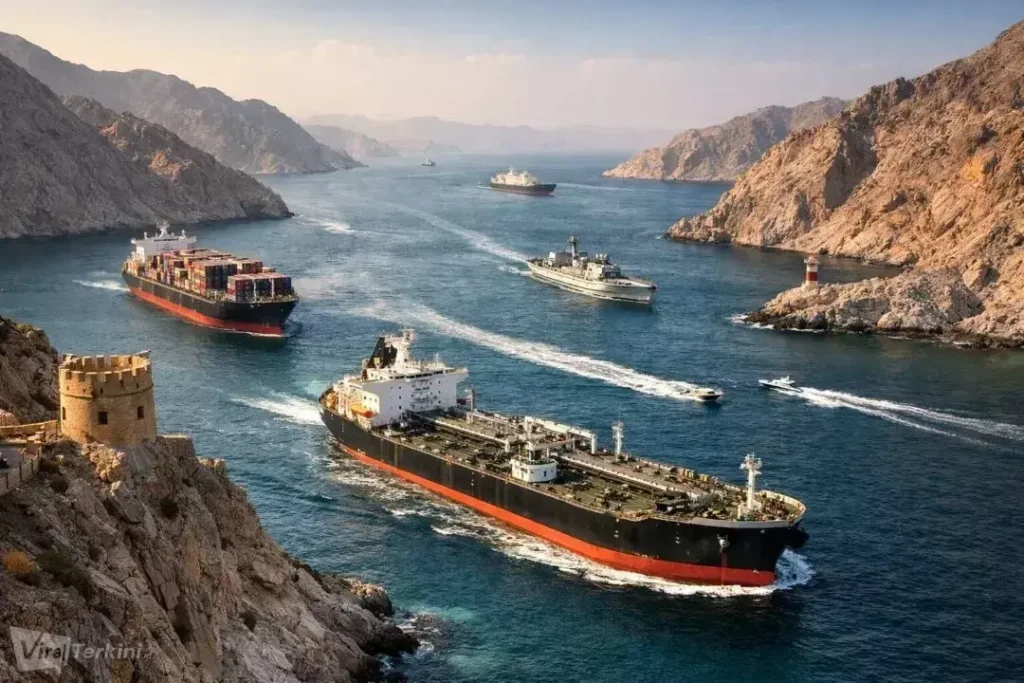
China remains the primary buyer of this sanctioned oil, snapping up millions of barrels to feed its economy while evading Western restrictions. “Dark” transits—vessels turning off tracking systems to dodge oversight—have played a key role, underscoring Iran’s long-standing shadow fleet operations that thumb their nose at U.S. and allied sanctions.
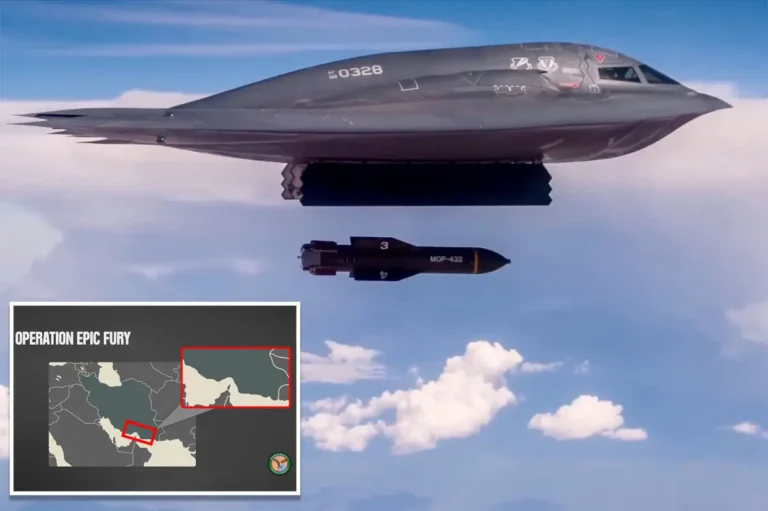
Adding to the frustration for American patriots is the Trump administration’s pragmatic but troubling stance. Treasury Secretary Scott Bessent confirmed on CNBC that the U.S. is allowing Iranian oil tankers to cross the strait to help stabilize global supplies and prevent even higher energy prices. Oil has already surged more than 40% to over $100 per barrel since the conflict escalated in late February. President Trump has pushed allies to deploy warships and reopen the waterway fully, while U.S. strikes targeted military sites on Kharg Island—central to Iran’s oil infrastructure—but spared core export facilities for now.
This selective enforcement raises serious questions. By permitting Iran’s oil to flow freely while the regime blocks or threatens others—including any destined for the U.S., Israel, or close allies—Tehran preserves its financial lifeline to fund its war efforts and proxy terrorism. Analysts note Iran’s “continued resilience” in exports, with one expert pointing out the regime profits handsomely while controlling the chokepoint to its advantage.
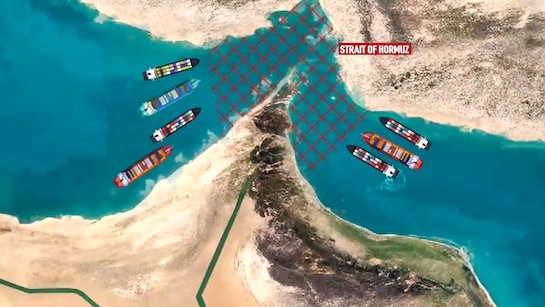
This situation highlights the dangers of half-measures. Iran’s mullahs exploit the strait not just for revenue but to project power, all while global markets—and American families at the pump—feel the pain of elevated prices. True strength demands closing loopholes, enforcing sanctions rigorously, and ensuring no adversary uses critical global waterways as leverage against the free world.
#TheNevadaConservative #International #Iran
About the Author