

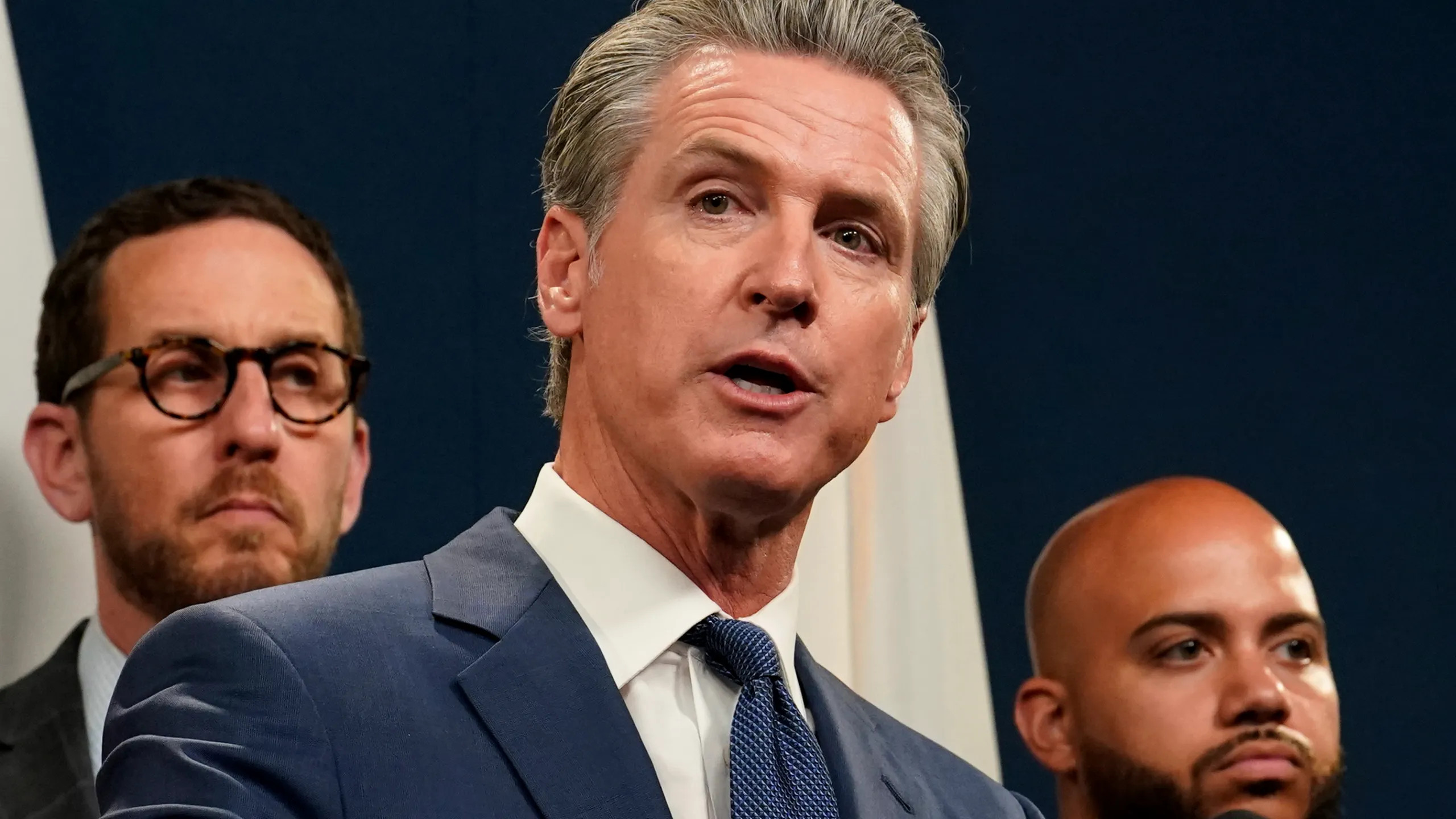
The latest example unfolded this week when California Gov. Gavin Newsom’s communications director, Izzy Gardon, responded to a reporter’s email with a blunt, expletive-laden meltdown. Real Clear Politics reporter Susan Crabtree simply asked for evidence supporting Newsom’s longstanding claim of being diagnosed with dyslexia as a child (around age 5 in 1972). The question came after Newsom referenced his dyslexia during a Sunday event in Atlanta promoting his memoir, where he also discussed a low SAT score (960) and struggles reading speeches—comments that sparked accusations of racism amid a conversation with Atlanta’s black mayor.

Crabtree’s email was straightforward journalism: seeking documentation for a public figure’s repeated personal claim, especially as it tied into broader controversy. Gardon’s reply? “Hey Susan — thanks for reaching out. Respectfully, f–k off.”
This isn’t isolated bravado. Newsom himself fired back on X with his own profanity-laced defense against critics, dismissing “fake f–king outrage” and referencing past attacks on other politicians. The pattern is clear: When pressed on facts or accountability, the response defaults to crudeness rather than clarity.
For conservative Nevadans—God-fearing, pro-family folks who value civility, personal responsibility, and respect for institutions—this behavior is alarming. The Office of the Governor (or any public office) isn’t a reality TV set where shock value wins points. It’s a position of public trust, meant to serve and represent hardworking citizens. Vulgar outbursts from staffers or leaders erode that trust, normalize disrespect, and signal that questioning power is unwelcome.
Why the shift? Several factors play in:
- Cultural Influence: Social media and cable news reward outrage and “authenticity” over decorum. Politicians mimic the raw, unfiltered style of online discourse, thinking it makes them relatable or “tough.” But true strength lies in composure and substance, not profanity.
- Polarization: In a hyper-partisan era, some view basic scrutiny as partisan attacks. Instead of engaging, they lash out—vulgarity becomes a shield against accountability.
- Leadership Example: When leaders (on both sides) tolerate or model crude language, staff follow suit. It trickles down, turning professional communications into personal tantrums.
This isn’t about left vs. right—it’s about right vs. wrong. Conservatives have long championed character, dignity, and the idea that public servants should elevate discourse, not debase it. America remains the world’s best hope precisely because of principles like self-restraint and respect for one another, even in disagreement.
Nevada patriots expect better from those in power, whether in Sacramento or Carson City. When officials disrespect reporters doing their job—or by extension, the public—they disrespect us all.
Let’s pray for leaders who model humility, truth, and civility. Hold them accountable through votes, voices, and vigilance. Share stories like this to remind others: Vulgarity isn’t hip—it’s a sign of weakness.
America deserves public servants who honor the office and the people, not ones who tell questioners to “f–k off.”
About the Author