
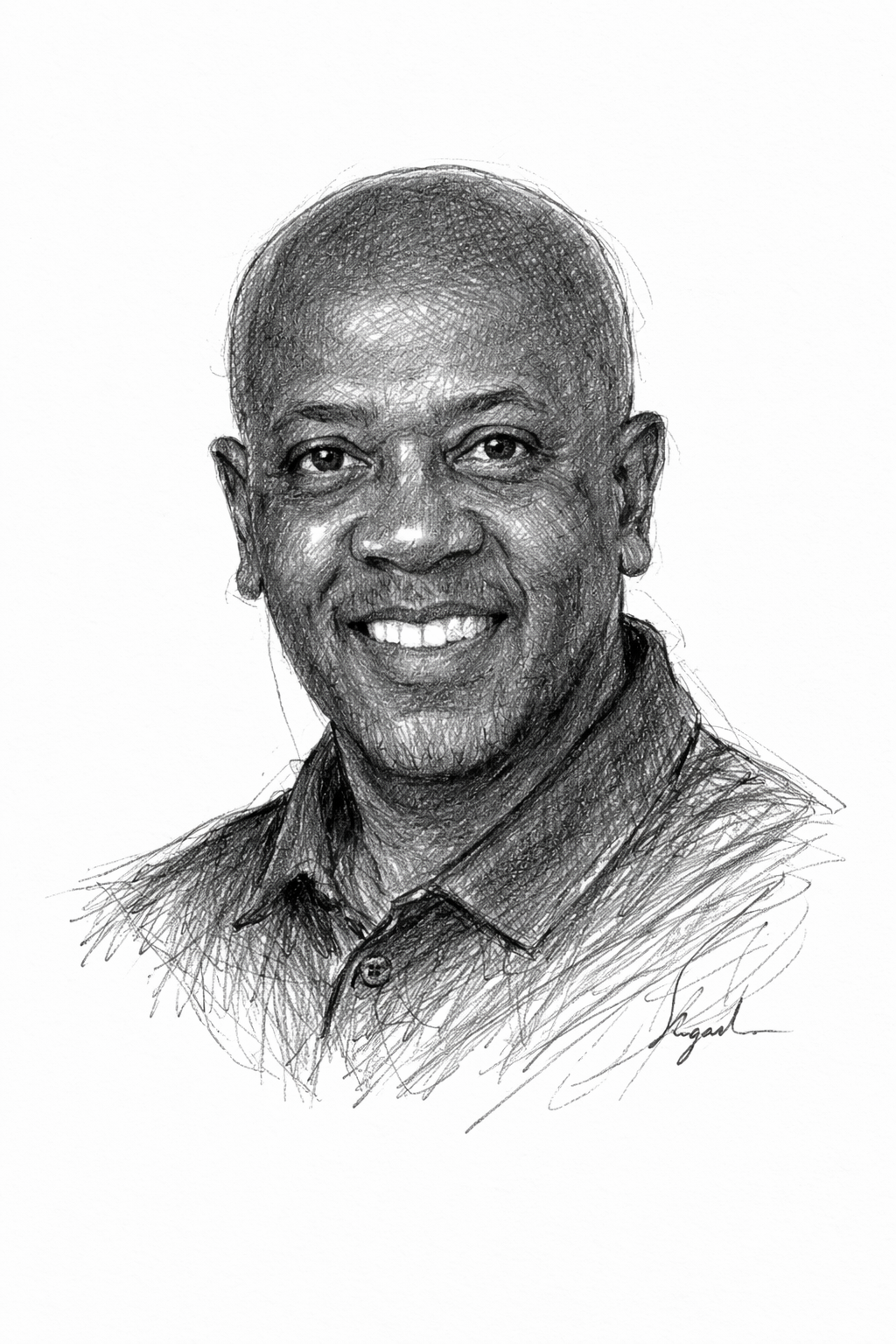
Sherman Ray, Editor The Nevada Conservative
Homelessness is not an abstract policy issue. It is a human crisis playing out on our sidewalks, in our parks, and near our places of worship and commerce. It is also an issue that was front and center during the 2019 Las Vegas City Council race for Ward 1.
Every candidate who ran for that seat—including myself—stood before voters and pledged to be a champion for ending homelessness in the Las Vegas Valley. We understood then, as we should now, that leadership is measured not by intentions, but by outcomes.
The voters ultimately chose Brian Knudsen, persuaded that he could deliver on that promise. That is the prerogative of the electorate in a representative republic. But elections are not the end of civic responsibility—they are the beginning of public accountability.
The Numbers Don’t Lie
Recent reporting on the Clark County homeless census shows a troubling reality: homelessness in the Valley has increased, not decreased. More individuals are unsheltered. More people are living without stability, safety, or dignity. Whatever strategies are currently in place, the results speak plainly.
This is not about scoring political points or revisiting past campaigns. It is about honoring commitments made to voters and, more importantly, to the most vulnerable among us.
When elected officials campaign on solving a crisis as serious as homelessness, they invite scrutiny. They should. Promises made in good faith must be matched by measurable progress—or at the very least, honest explanations when progress falls short.
Compassion Requires Results, Not Rhetoric
Those of us who care deeply about ending homelessness know that compassion alone is not enough. Neither are press releases, task forces, or rebranded programs. Real compassion insists on results.
Ending homelessness requires:
- Clear goals with timelines
- Coordination between city, county, nonprofits, and faith-based groups
- Treatment pathways for mental health and addiction
- Transitional and permanent housing tied to accountability
- Transparent reporting to the public
Without these, we risk managing homelessness rather than ending it—an outcome that serves systems better than people.
Leadership Means Owning the Outcome
Public service is not about perfection, but it is about responsibility. When conditions worsen under one’s watch, leadership demands acknowledgment and course correction.
If homelessness is increasing, the public deserves to know:
- Why current approaches are not working
- What will be done differently
- How success will be measured going forward
Silence, deflection, or blaming outside forces erodes trust. Honest leadership builds it—even in difficult moments.
The Role of Voters and Community Watchers
In America, elected officials answer to the people. That principle does not expire after Election Day.
As voters and community watchers, we have a duty to:
- Remember campaign promises
- Ask hard but fair questions
- Demand transparency
- Insist on outcomes, not excuses
Holding leaders accountable is not hostility—it is citizenship.
This Is About People, Not Politics
At the heart of this issue are human beings—men and women created in the image of God, many one bad break away from stability. They deserve more than well-meaning words. They deserve leadership that is bold enough to confront failure and wise enough to pursue what works.
Homelessness is not inevitable. It is solvable. But only if promises are treated as obligations, not slogans.
The people of Ward 1—and all of Las Vegas—were told homelessness would be addressed. The data now shows otherwise. That reality demands reflection, recalibration, and renewed commitment.
Because when leaders promise to end homelessness, and homelessness grows instead, accountability is not optional. It is essential.
About the Author