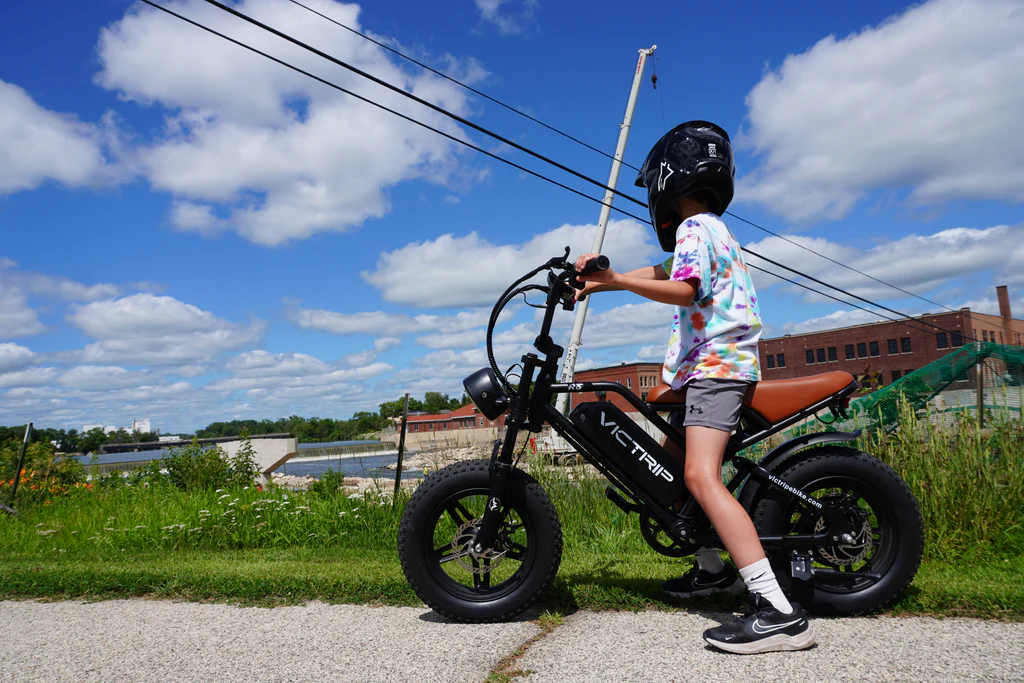
In Henderson, where families value safe neighborhoods and responsible upbringing, the City Council has taken decisive action to curb the rising dangers posed by electric bicycles, scooters, and similar devices. On March 3, 2026, council members unanimously approved updates to the municipal code, prioritizing the “safety of our kids” amid a troubling surge in crashes. Key measures include mandatory helmets for all riders under 18 on bicycles, e-bikes, and e-scooters; a strict 15 mph speed limit unless otherwise posted; prohibitions on stunts like wheelies or reckless riding; and clear bans on illegal e-motorcycles—devices without operable pedals, relying solely on throttles and capable of exceeding 28 mph—on public roadways, sidewalks, trails, parks, and parking lots. Law enforcement can now impound these illegal machines, sending a strong message that safety trumps convenience.
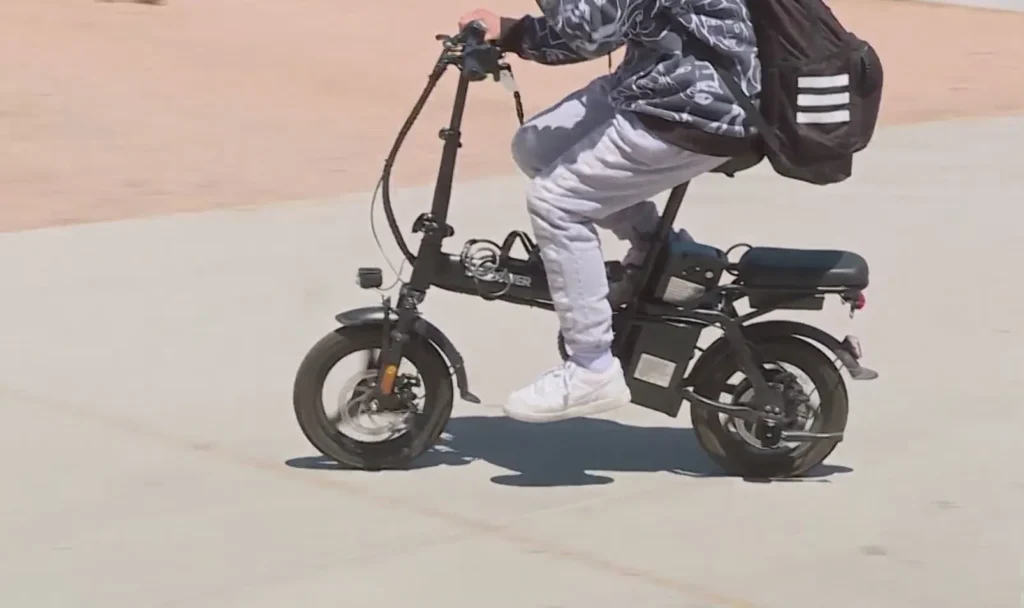
This comes after alarming statistics: Henderson Police responded to over 40 e-bike crashes in 2025 alone—up from 25 in 2024, including two fatalities. Broader Clark County data shows injuries from e-bikes and e-scooters nearing 200 in 2025, with a sharp rise in incidents involving students and even multiple fatalities reported regionally. These aren’t just numbers—they represent broken bones, head injuries, and families forever changed, often because young riders treat powerful motorized devices like toys rather than potential hazards.
While banning or severely restricting access to these devices might seem appealing, it doesn’t address root causes: many kids still acquire high-powered or modified e-bikes through loopholes, online sales, or out-of-area sources. True protection requires layered, common-sense approaches rooted in personal responsibility, parental oversight, and community standards.
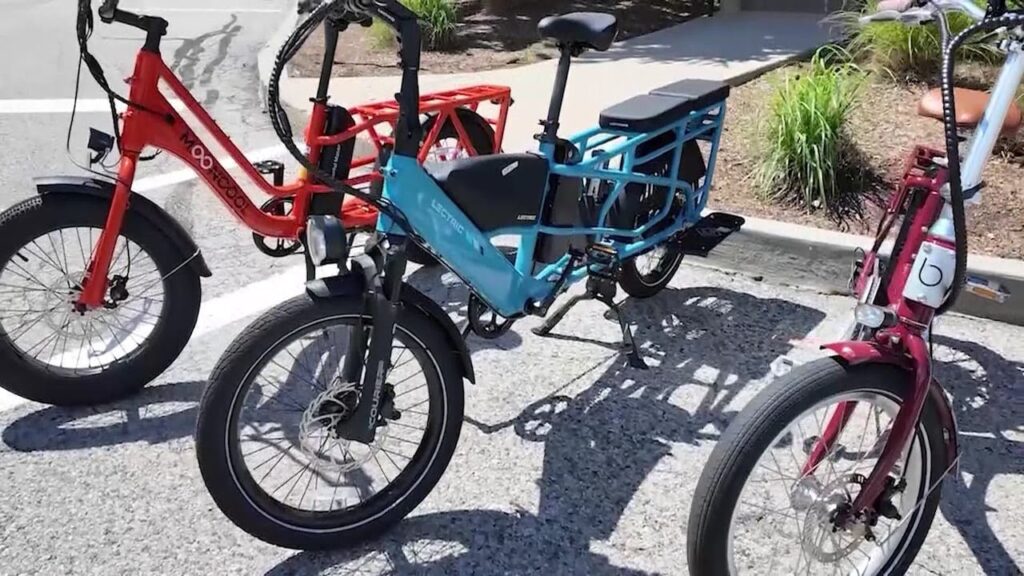
Henderson’s helmet mandate for minors aligns with best practices nationwide—helmets dramatically reduce head injury risk, yet too many ignore this basic safeguard. Beyond that, parents and guardians must step up: ensure devices have fully operable pedals and comply with Class 1 or 2 limits (pedal-assist up to 20-28 mph, no throttle-only speed demons); teach traffic laws, visibility (lights, bright clothing), and defensive riding; set strict boundaries on where and when kids ride—avoid busy streets, sidewalks crowded with pedestrians, or trails meant for slower use; and model safe behavior.
Additional steps communities can champion include:
- Stricter enforcement against modifications that boost speeds illegally, with meaningful fines and vehicle impoundment.
- Public education campaigns through schools, churches, and youth groups emphasizing that e-bikes aren’t toys—require parental permission, training sessions, or even basic safety certifications for young riders.
- Age-appropriate restrictions: Consider limiting higher-class e-bikes (Class 3, up to 28 mph) to those 16 or older, as seen in many states, while promoting lower-power Class 1 for younger teens under close supervision.
- Infrastructure improvements: Expand dedicated bike lanes and trails separated from vehicle traffic, reducing collision risks for all users.
- Retailer accountability: Urge local shops to verify age, explain laws, and refuse sales of non-compliant or overpowered devices to minors.
We recognize government has a role in setting clear rules and enforcing them—especially when monopolies on safety fall short. But the strongest shield remains involved parents instilling values of responsibility, respect for others, and reverence for life.
#TheNevadaConservative #TNC #Local
About the Author