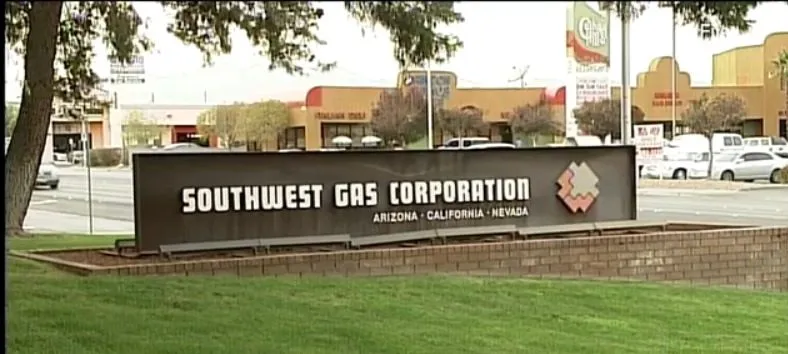
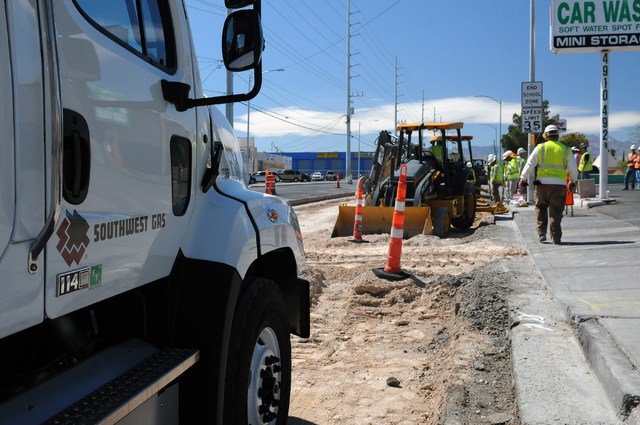
In the Silver State, hardworking families already face rising costs for essentials, yet Southwest Gas is proposing to pass on approximately $238 million in infrastructure project costs to its Nevada customers over the next three years—from 2026 through 2028. This amounts to roughly $79 million annually, covering pipeline expansions, replacements, and new high-pressure facilities in growing areas like Tule Springs and Summerlin West.
The utility filed its Triennial Plan in September 2025 with the Public Utilities Commission of Nevada (PUCN), outlining investments needed for “safe and reliable” natural gas service, including expansions to serve new homes and meet demand in booming suburbs. Projects like the $10.5 million Tule Springs initiative aim to support around 10,000 new residences, while the $8 million Summerlin West effort extends service to underserved areas. Southwest Gas insists these are prudent and necessary, with all costs subject to strict PUCN review to ensure they’re “just and reasonable” before recovery through rates—no automatic pass-through, they claim.
Yet consumer advocates and the Bureau of Consumer Protection aren’t buying it. Critics argue the utility has failed to justify the need, provide detailed cost estimates, or explore cheaper alternatives. Testimony highlights inadequate analysis on whether existing capacity is truly insufficient, questionable forecasts, and even suggestions that some past installation errors should be shouldered by the company, not ratepayers. Clean energy groups point out a lack of economic comparisons or quantified growth data to support massive pipe upsizing and replacements.
This comes on the heels of repeated rate increases: a $59 million revenue boost approved in April 2024, a pending $13 million statewide hike set for July 2026, and another general rate case notice filed in March 2026 to adjust for current costs and capital. Meanwhile, Southwest Gas reported an 8.7% net income rise to $283.9 million recently, with executives projecting strong earnings growth through 2030, partly from “improved regulatory environments” like alternative ratemaking under Senate Bill 417—legislation that could streamline future increases and shift more risk to customers.
The question conservatives ask is straightforward: If utilities like Southwest Gas operate as regulated monopolies with guaranteed returns on approved investments, why do everyday Nevadans—pro-family households balancing budgets—bear the full burden when profits soar? Regulated utilities recover infrastructure costs through rates because that’s the model: investors fund upfront, then earn a return via customer payments. But when companies push aggressive expansions in growth areas while older systems get replaced at high cost, and when earnings climb without clear restraint, it feels less like necessary service and more like padding shareholder pockets at the expense of families.
No direct evidence shows Southwest Gas receiving massive federal subsidies or Inflation Reduction Act tax credits specifically for these gas projects—most federal clean energy incentives target renewables, efficiency, or electrification, not fossil fuel infrastructure. Past tax reform savings were passed to customers in some cases, but that’s separate from these capital recoveries. The core issue remains: regulated utilities enjoy protected markets and predictable profits, yet ratepayers absorb the risks and costs without the upside.
Nevada’s Public Utilities Commission must demand transparency, scrutinize every dollar, and prioritize affordability for working families over unchecked utility spending. True conservative principles favor limited government intervention, but when monopolies dominate essentials, strong oversight protects citizens from exploitation. As America’s last best hope, we must ensure energy policies serve people—not corporate bottom lines.
#TheNevadaConservative #TNC #Local
About the Author