
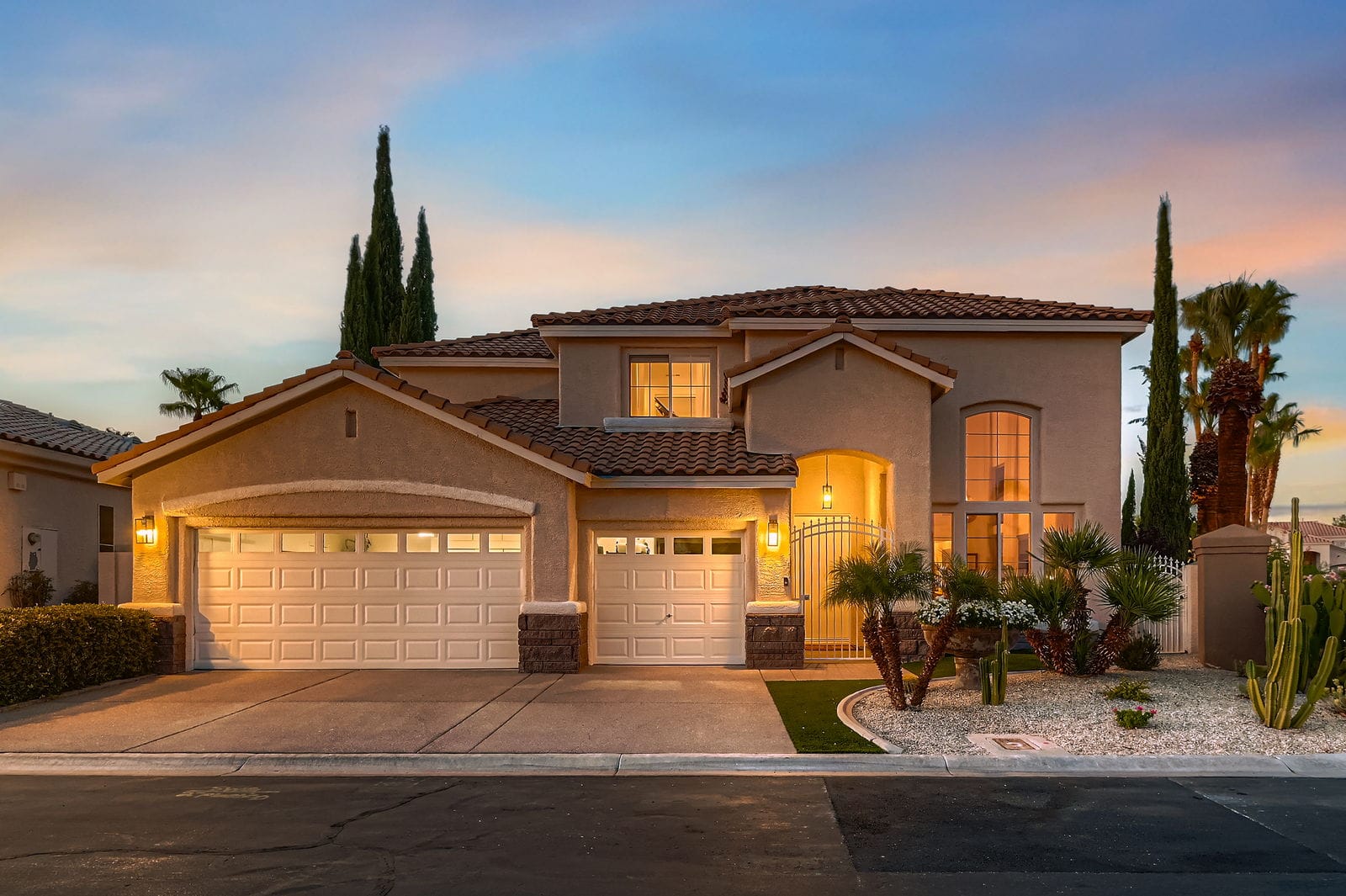
For years, locals in Las Vegas have joked that the secret was out. Now, it’s no longer a punchline—it’s a pressure point.
According to a recent Las Vegas Review-Journal report, Southern Nevada is experiencing what analysts are calling a “full-scale migration of wealth,” as affluent residents from California and Washington continue relocating to Las Vegas in large numbers. These are not retirees in RVs or weekend gamblers buying second homes. This is capital—significant capital—arriving with cash, influence, expectations, and long-term plans.
And while migration itself is nothing new to Nevada, the speed, scale, and socioeconomic imbalance of this wave is creating real stress for longtime residents.
We’re Feeling It—Because It’s Real
Anyone who has lived in Las Vegas for more than a decade doesn’t need a report to confirm what’s happening. You see it every day:
- Housing prices that no longer resemble “affordable”
- Rents climbing faster than wages
- Traffic congestion where there once was none
- Longtime neighborhoods transforming almost overnight
What was once a refuge for working-class families, retirees, and entrepreneurs escaping high-tax coastal states is now becoming a destination for high-net-worth individuals who can outbid locals without blinking.
This isn’t envy. It’s economics.
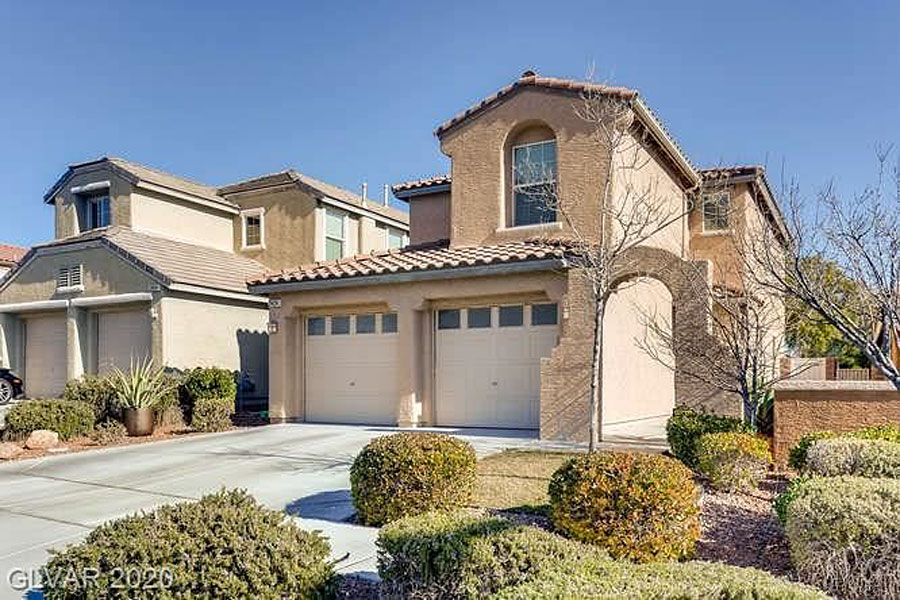
Why They’re Coming—and Why It Matters
The reasons wealthy Californians and Washingtonians are moving to Nevada are well-documented:
- No state income tax
- Business-friendly regulations
- Lower cost of living (at least compared to where they came from)
- Political and regulatory relief
- Proximity without the policies
In short, Nevada offers freedom—and freedom attracts capital.
But here’s the uncomfortable truth: many of the policies these newcomers are fleeing are the very ones locals fear they may eventually bring with them.
The Housing Squeeze: Cash Changes Everything
The most immediate impact is housing. Wealthy transplants often arrive with:
- Large equity from coastal home sales
- Cash offers over asking price
- Willingness to waive inspections
- Ability to absorb higher property taxes and HOA fees
For a Nevada family relying on a traditional mortgage, this creates a brutal disadvantage. Homes that once would have been within reach are now snapped up before locals even have a chance to make an offer.
Renters feel it even more sharply. Landlords respond to rising property values by raising rents, and working families are forced to move farther from job centers—or out of the region entirely.
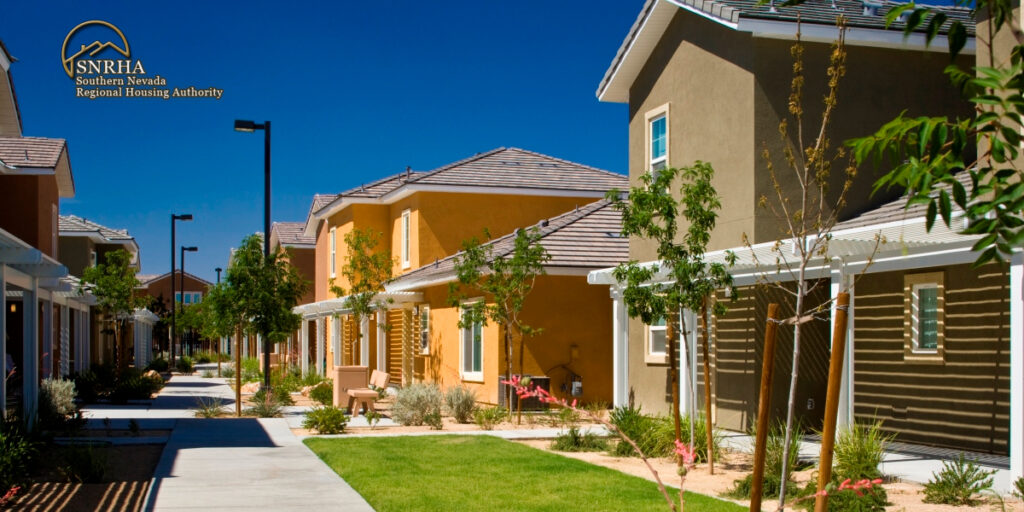
A Tale of Two Nevadas
What’s emerging is a split reality:
- One Nevada flush with capital, luxury developments, and high-end amenities
- Another Nevada struggling with affordability, infrastructure strain, and wage stagnation
This divide is not theoretical—it’s visible.
New luxury communities rise while teachers, service workers, first responders, and hospitality employees commute longer distances just to remain housed. These are the people who keep Las Vegas running.
Infrastructure Under Pressure
Las Vegas was built to grow—but not infinitely, and not overnight.
Roadways, water systems, schools, and emergency services are all feeling the strain. Growth requires planning, and planning requires leadership willing to ask hard questions:
- How fast can we responsibly grow?
- Who pays for expanded infrastructure?
- Are we protecting locals—or pricing them out?
Growth without balance doesn’t just change a city—it destabilizes it.
Culture Clash: Values Don’t Stay Behind
Migration doesn’t just bring money. It brings expectations and political habits.
Many longtime Nevadans are concerned that newcomers, having fled over-regulated states, may eventually support the same policies here—higher taxes, increased regulation, expansive government oversight—once they’ve settled in.
History shows this is not an irrational fear. States like Colorado, once solidly conservative and affordable, experienced similar migration patterns—and then dramatic political shifts.
Nevadans are watching closely.
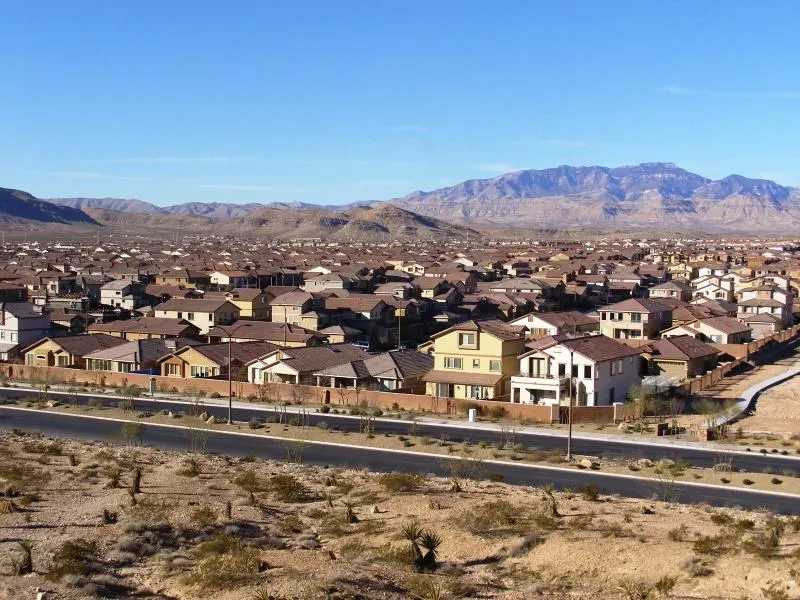
Opportunity—If We’re Smart
To be clear, wealth migration is not inherently bad. New capital can mean:
- Job creation
- Business investment
- Expanded tax base
- Economic diversification
But only if managed wisely.
If leaders prioritize locals, protect property rights, and resist the urge to over-regulate, Nevada can benefit without losing its soul. If they don’t, Las Vegas risks becoming the very thing newcomers claimed they were escaping.
What Locals Are Asking For
This isn’t about shutting the door. Nevada has always welcomed newcomers. What locals want is fairness:
- Housing policies that protect first-time buyers
- Zoning decisions that balance growth and livability
- Infrastructure investment that keeps pace with population
- Political restraint that preserves Nevada’s pro-freedom identity
Above all, they want assurance that Nevada won’t be “loved to death.”
A Defining Moment for Las Vegas
Las Vegas stands at a crossroads. The city can either:
- Grow intentionally—protecting affordability, culture, and opportunity
- Or grow recklessly—allowing unchecked wealth to redefine who gets to stay
The migration of wealth is real. The stress is real. And the decisions made in the next few years will shape Southern Nevada for generations.
Growth is inevitable. Losing who we are is not.
That choice still belongs to Nevadans—if they’re willing to make it.
#TheNevadaConservative #TNC #Local 🇺🇸🏜️
About the Author