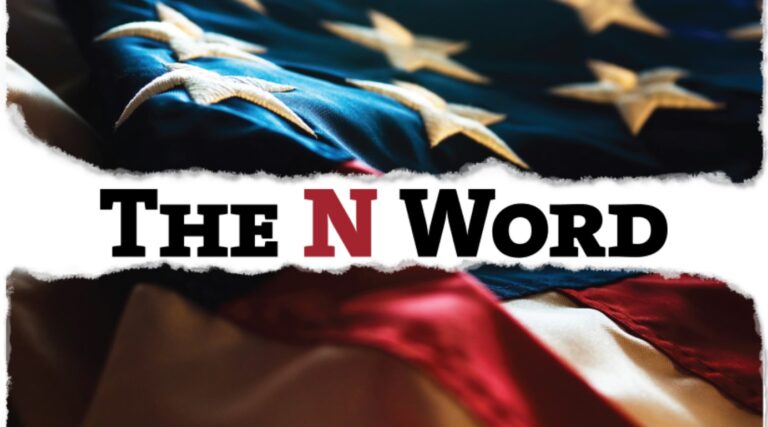
As a public school educator witnessing the daily realities inside middle and high school hallways, I can no longer stay silent on a truth too many gloss over in the name of political correctness. Public schools, particularly in urban and diverse districts, have become incubators for a vicious cycle of self-perpetuated racism that deepens the struggles faced by Black Americans. The primary weapon isn’t some shadowy white oppressor—it’s Black students casually calling each other the N-word.
This slur, whether dropped as “Nigger” or the softened “My Nigga,” echoes through song lyrics blasting from earbuds, chants in the lunchroom, and offhand conversations between classes. Year after year, it sinks into the subconscious of tens of millions of young people, planting seeds of self-loathing and a diminished sense of worth. Few of these kids grasp the word’s brutal etymology or how it was once wielded by bigots to strip humanity from enslaved Africans and their descendants during America’s darker chapters of ignorance and cruelty. Today, it’s repackaged as “cool,” “authentic,” or even a term of endearment—yet it carries the same degrading message: that Black lives are somehow lesser, tougher, or exempt from basic standards of respect and dignity.
Our society’s mission must be to eradicate all forms of racism, including this insidious “soft racism” normalized in schools and entertainment. Hip-hop and rap culture have mainstreamed the word to an alarming degree, turning what should be a relic of hatred into a cultural staple. This isn’t empowerment; it’s self-sabotage. It reinforces a narrative that undermines personal responsibility, family stability, and the pursuit of excellence—the very pillars that have lifted generations of Americans, regardless of race, out of hardship.
Look at the outcomes in our public schools. Black students already face disproportionate challenges: lower proficiency rates in reading and math, higher suspension and dropout numbers, and persistent achievement gaps that no amount of federal spending or “equity” programs has closed. When kids internalize language that devalues their own identity, it compounds these issues. It fosters a mindset where excuses replace effort, grievance supplants grit, and victimhood becomes a shield against accountability. True progress for Black Americans—and all Americans—has always come through strong families, faith in God, moral clarity, and the timeless American promise that hard work and character triumph over circumstance. America remains the world’s greatest beacon of hope precisely because it rewards those virtues, not because it indulges cultural pathologies.
Conservative voices like Thomas Sowell have long warned that real barriers to advancement today stem less from external bigotry and more from cultural patterns within communities: family breakdown, glorification of anti-social behavior in media, and a refusal to confront uncomfortable truths. The casual embrace of the N-word is a symptom of that deeper rot. It signals lowered expectations for Black youth while demanding the rest of society tiptoe around the issue for fear of being labeled “racist.” This double standard does no favors to the very children it claims to protect.
As educators, parents, and citizens rooted in traditional values, we must reject this hypocrisy. Schools should enforce zero tolerance for the N-word in any form—no “reclamation,” no artistic exemptions, no racial carve-outs. Assemblies, curricula, and discipline policies need to teach the word’s full poisonous history without excusing its modern revival. Entertainment executives and artists who profit from it bear responsibility too. Parents, especially in faith-based homes, must model and demand language that uplifts rather than degrades. Pro-family, pro-life principles remind us that every child—Black, White, or otherwise—deserves a culture that affirms their God-given dignity and potential as an American.
The cycle of struggle will persist as long as we allow self-inflicted wounds to fester under the guise of “cultural expression.” Real racial healing begins with personal responsibility, not perpetual grievance. It honors the Constitution’s promise of equal protection under the law and celebrates America as the last, best hope for freedom and opportunity on earth. Let’s commit to raising a generation that rejects the dagger of the N-word and instead embraces the character, faith, and resilience that built this exceptional nation.
About the Author