Solving the TSA Bottleneck: How a Little-Known Federal Program Could End Airport Security Chaos During Shutdowns
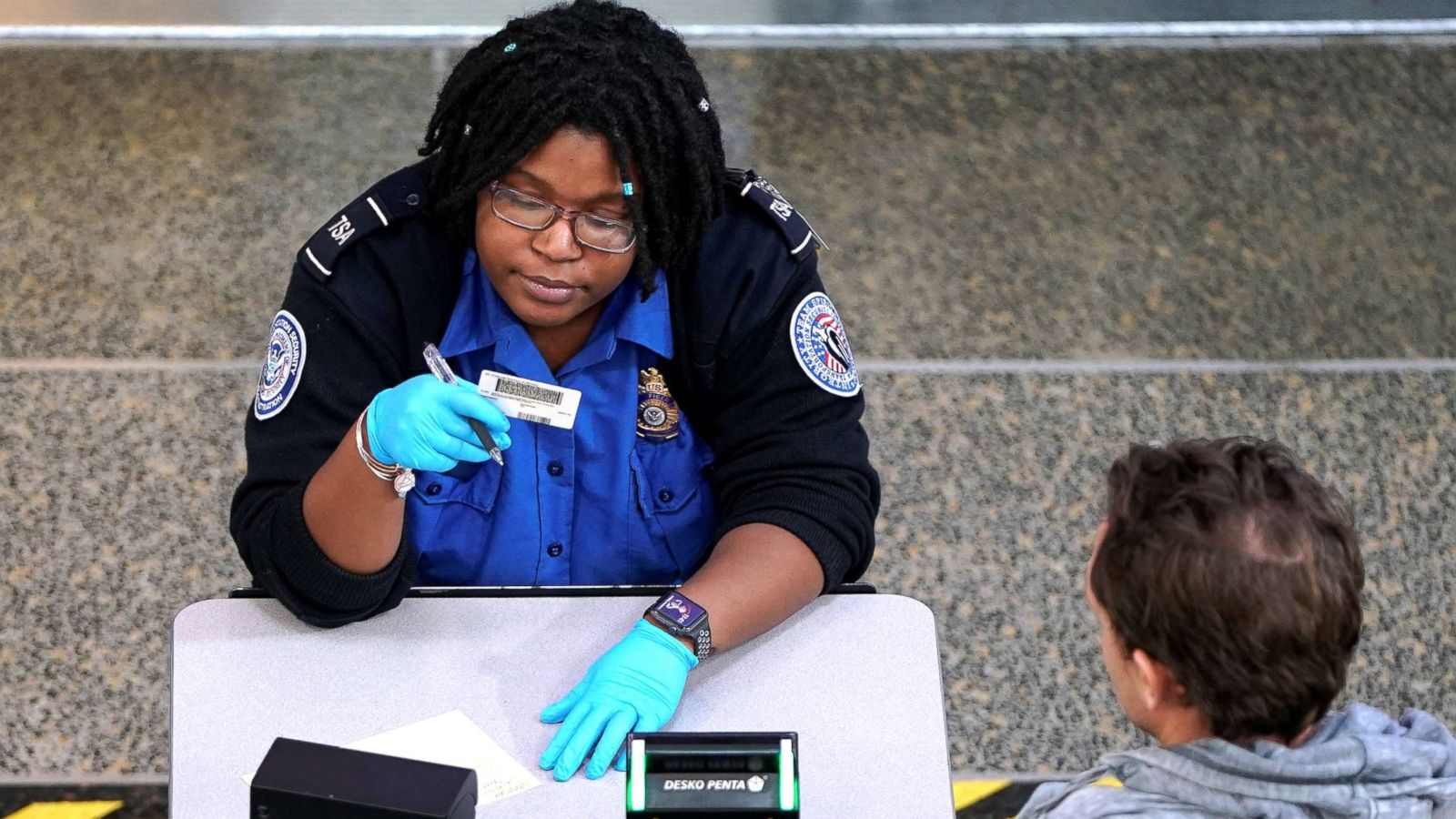
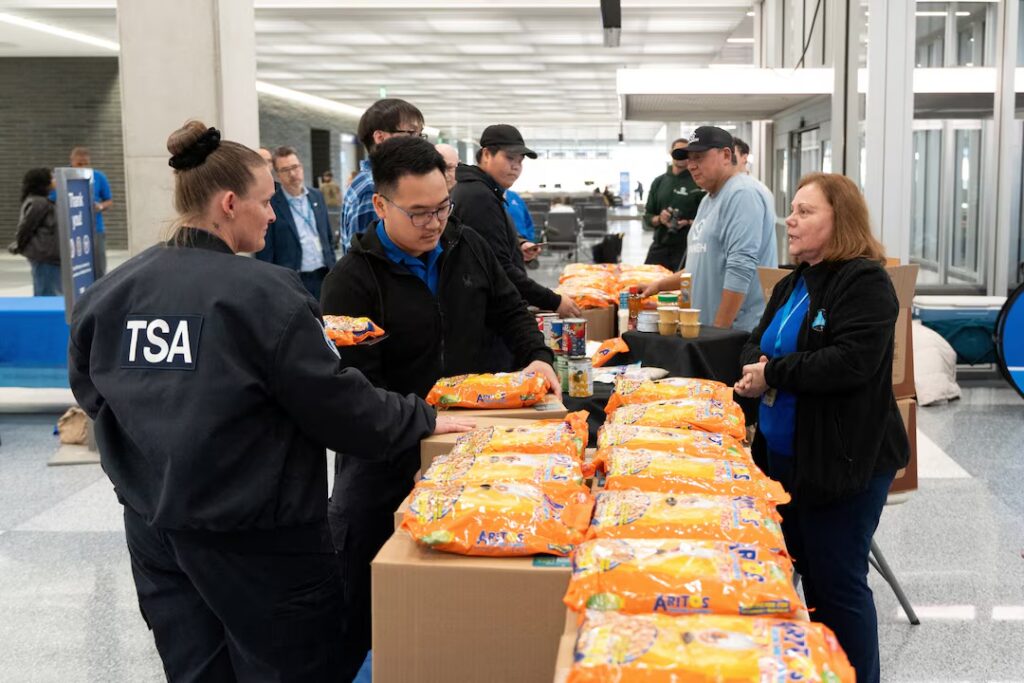
Good morning, travelers. As the partial government shutdown drags into its fourth week in March 2026, hundreds of Transportation Security Administration (TSA) officers have quit their jobs rather than risk losing homes or going deeper into debt. Absences have doubled, security lines are stretching into baggage claim areas at major hubs, and spring break travelers are facing hours-long delays. These dedicated federal workers continue showing up without full pay—some missing their first complete paycheck—because airport screening is deemed essential. But the system we’ve grown to depend on is cracking under political gridlock.
Short of closing airports (which no one wants), there is a ready-made, proven fix already operating successfully at nearly two dozen U.S. airports: the TSA’s Screening Partnership Program (SPP). If scaled nationwide, it could insulate passenger screening from future funding lapses while maintaining—or even improving—security standards.
Why Are We in This Position?
The current crisis stems from a partial shutdown of the Department of Homeland Security (DHS), TSA’s parent agency. Unlike past full-government shutdowns, this one has left roughly 50,000 TSA screeners working without paychecks while Congress fails to fund the department. More than 300 officers have already quit, and “call-outs” (unscheduled absences) have surged. Airlines and airports report swelling lines at non-SPP facilities, with some waits hitting four hours amid winter storms and peak travel.
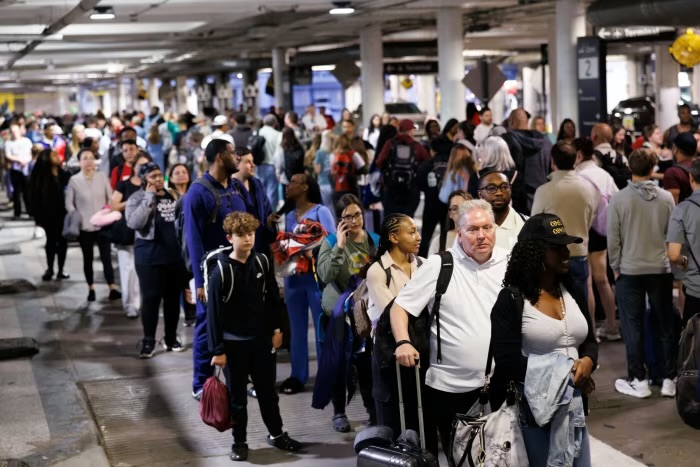
This isn’t new: It’s the third such disruption in less than a year. Every time Washington deadlocks over DHS funding, essential workers and the flying public pay the price. Federal law treats screening as a critical national security function, so officers can’t simply walk off the job—but they also can’t survive indefinitely on promises of back pay.
The Simple, Effective Solution: Expand the Screening Partnership Program Nationwide
Enter the Screening Partnership Program (SPP), launched by TSA in 2004 and strengthened by the FAA Reauthorization Act of 2018. Under SPP, commercial airports can opt out of federal TSA screeners and instead hire pre-qualified private security companies to run checkpoints. Here’s how it works:
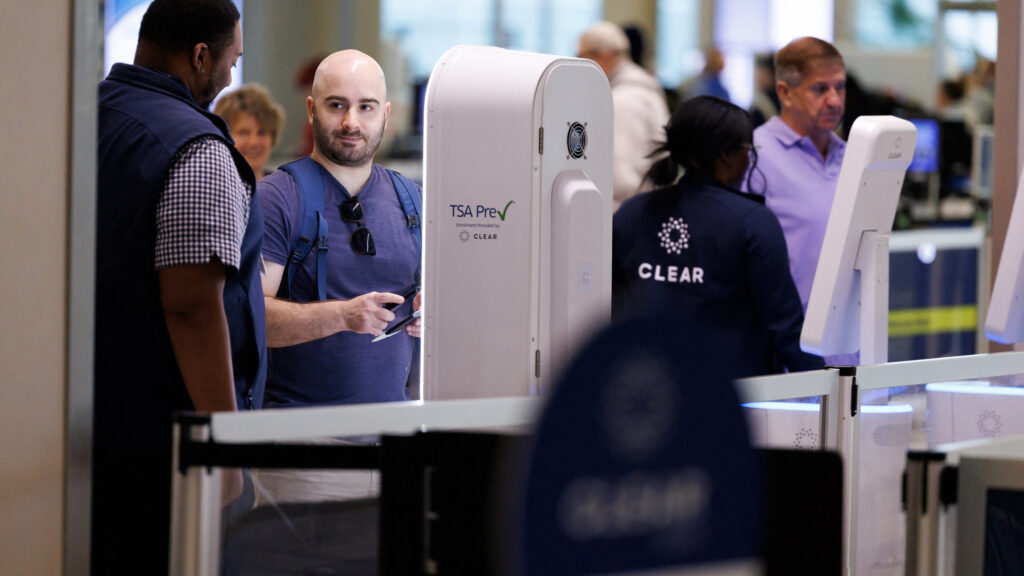
- Private contractors must follow exactly the same TSA rules, use the same equipment, and deliver identical screening procedures for passengers and baggage.
- All screeners undergo the same rigorous background checks, medical exams, and training (including at the TSA Academy) as federal officers.
- TSA retains full oversight: The agency sets standards, monitors performance daily, and can step in if needed. Contracts require security, cost-efficiency, and effectiveness to match or exceed federal operations—no compromises allowed.
- Approval is straightforward: Any airport applies to its local TSA Federal Security Director. TSA must decide within 60 days; if approved, transition takes about four months.
Today, SPP operates at 20 airports, including major ones like San Francisco International (SFO), Kansas City International, Orlando Sanford, Atlantic City International, and smaller hubs such as Sioux Falls and Glacier Park International. During shutdowns, these airports barely notice the difference. Contractors are paid through pre-allocated federal contracts that don’t stop when appropriations lapse. SFO, one of the busiest international gateways, kept lines moving smoothly during last year’s 43-day shutdown—while federal airports struggled. As one SFO official put it: “The money’s already been allocated… That is a very nice place to be.”
Aviation experts call SFO the ultimate “litmus test.” If a top-15 U.S. airport can run private screening under TSA rules without issues, others can too.
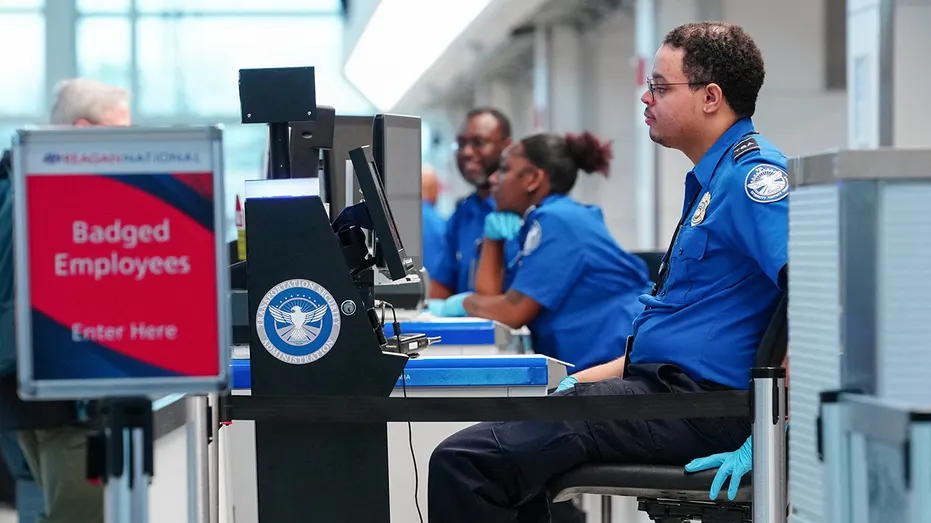
If implemented nationwide, SPP would mean:
- No more mass quits or absences during shutdowns.
- Stable staffing and shorter lines year-round.
- Airports gain flexibility to compete for better local talent and customer service.
- TSA focuses on its core strengths: threat intelligence, technology, and oversight.
Why, If This Is the Simple Solution, Hasn’t It Been Implemented Already?
This is the question everyone is asking right now—and it deserves a straight answer.
The SPP has existed for over 20 years, yet it remains limited because it’s voluntary and faces real political and institutional headwinds:
- Strong union opposition: The American Federation of Government Employees (AFGE), which represents TSA officers, argues privatization erodes job protections, pay, and benefits. They worry it could weaken accountability and create uneven standards if different companies operate at different airports. “We will never advocate for any privatization of any federal employees,” a union leader stated. Federal law actually requires contractors to offer comparable compensation and benefits, but the union fears profit motives could eventually pressure corners on training or staffing.
- Political and bureaucratic inertia: Post-9/11, Congress chose a fully federal model for national consistency. Some lawmakers (especially Democrats and some moderates) view privatization skeptically as “handing security to for-profit companies.” Others fear it sets a precedent for broader government outsourcing. Even though TSA must approve every application based on strict security and efficiency tests, there’s no mandate to push airports toward SPP.
- Not every airport wants to switch: Many prefer the federal system for uniformity or have local reasons (workforce culture, existing contracts). Transitioning requires airport leadership to apply and navigate procurement—some simply haven’t prioritized it.
- Ongoing debate, not deadlock: Republicans have floated bolder ideas like the “Abolish the TSA Act” to fully privatize under new oversight. TSA leadership itself says “nothing is off the table.” Travel groups (Airlines for America, U.S. Travel Association) are now urging Congress to at least guarantee pay during shutdowns or fast-track SPP applications. The program isn’t a “silver bullet,” critics note—but during repeated shutdowns, it’s the only model that has already proven it works.
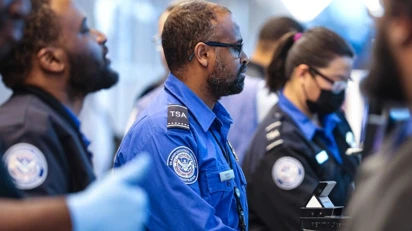
In short: It hasn’t gone nationwide because politics, unions, and inertia have kept a voluntary program voluntary. The shutdown is forcing the conversation we should have had years ago.
The Path Forward
Airports don’t need an act of Congress to join SPP—they can apply today through their local TSA Federal Security Director. Major hubs like LAX, JFK, or Chicago O’Hare could lead the way and set a national example. Congress could sweeten the deal with incentives for adoption or temporary funding stability for transitioning airports.
The flying public deserves security that doesn’t grind to a halt every time politicians fail to agree on a budget. The Screening Partnership Program isn’t radical—it’s already federal law, already working, and already shielding 20 airports from the very crisis paralyzing the rest of the country.
It’s time to make that protection available to every traveler. Safe skies—and shorter lines—depend on it.
#TheNevadaConservative #National #TSA
About the Author