Autonomous vehicle testing is back on the streets of Las Vegas after Zoox resumed its robotaxi service following a multiday pause, according to local reporting. The temporary suspension raised questions about safety, oversight, and how quickly emerging transportation technology should be rolled out in busy urban environments like Southern Nevada.
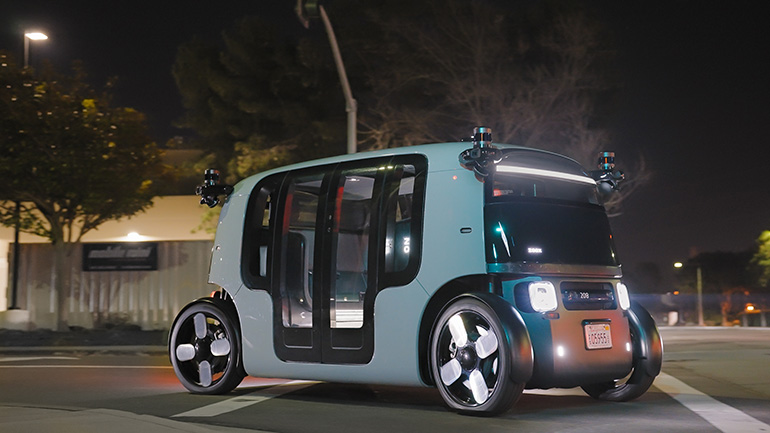
Zoox, which is owned by Amazon, has been testing its fully autonomous, purpose-built robotaxis in Las Vegas as part of a broader effort to develop driverless transportation for dense cities. The vehicles—distinctive, box-shaped, and designed without traditional steering wheels or pedals—have become an increasingly common sight near the Strip and surrounding corridors.
Why the Service Was Paused
The company has stated that the pause was precautionary, allowing engineers to review performance data and ensure systems were operating as intended. While no serious injuries were reported, any interruption in autonomous testing tends to attract heightened scrutiny, particularly in a city where millions of tourists, pedestrians, and rideshare vehicles converge daily.
Las Vegas has positioned itself as a testing ground for transportation innovation, but that status also brings added responsibility. Residents and visitors alike expect that safety comes first—especially when new technology is sharing the road with families, buses, cyclists, and commercial traffic.
Back on the Road—With Questions
With service now restored, Zoox says it has addressed the issues that prompted the pause and is confident in the vehicle’s performance. Still, the episode highlights an ongoing tension: innovation versus readiness.
Autonomous vehicles promise reduced accidents, improved traffic flow, and expanded mobility options. But they also rely on complex software making split-second decisions in unpredictable real-world conditions. Even small hiccups can erode public trust if they’re not handled transparently and responsibly.
Nevada’s Role as a Testing Hub
Nevada has long been friendly to autonomous vehicle development, offering regulatory flexibility that attracts companies eager to test new systems. That openness has helped bring investment and high-tech jobs to the region. At the same time, it places state and local officials in the role of watchdogs—tasked with ensuring innovation does not outpace accountability.
For everyday Nevadans, the question is simple: Are these vehicles as safe—or safer—than human drivers? Until that question is answered convincingly, skepticism is likely to remain.
Public Confidence Is Key
Robotaxis don’t just need to function well; they need to feel trustworthy to the public. That means clear communication when issues arise, visible cooperation with regulators, and a willingness to slow down when necessary.
Las Vegas drivers are no strangers to construction cones, detours, and experimental traffic solutions. But when it comes to fully driverless vehicles, patience will depend on a consistent record of safety and reliability.
Looking Ahead
Zoox’s return to service signals confidence from the company and continued support from regulators—but it also serves as a reminder that cutting-edge technology is still a work in progress. Autonomous vehicles may well be part of the future of transportation in Southern Nevada, but that future must be built carefully, not rushed.
For now, robotaxis are rolling again on Las Vegas streets. Whether the public embraces them long-term will depend less on promises—and more on proven performance.
#TheNevadaConservative #TNC #Local
About the Author