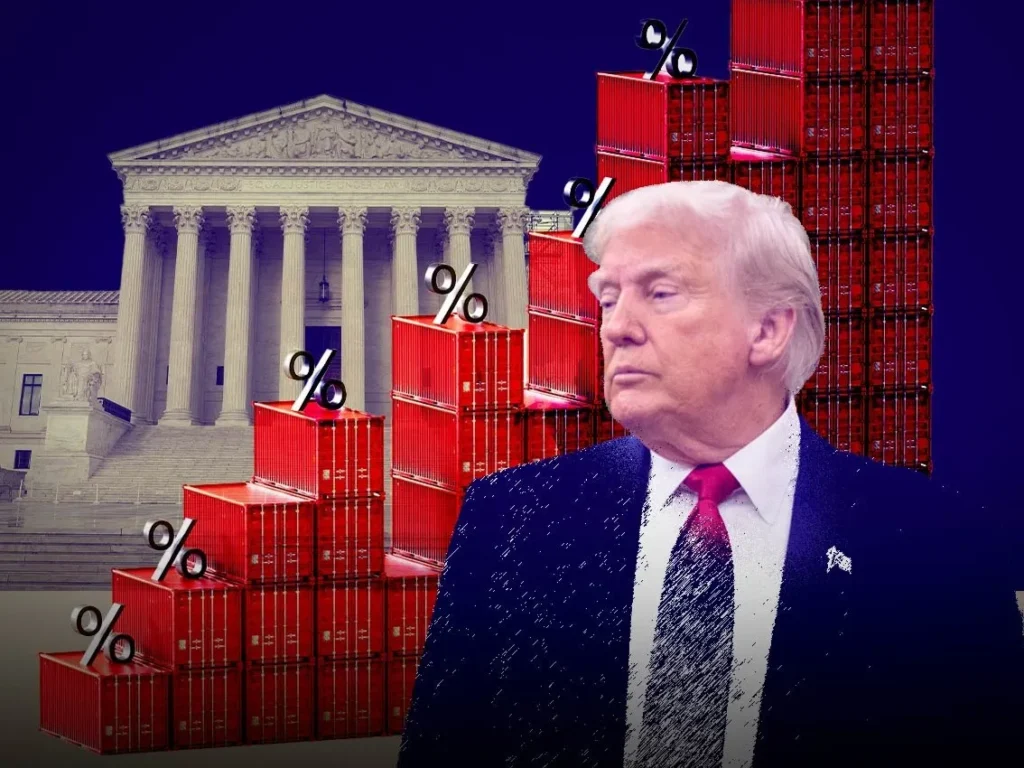
February 20, 2026 – North Las Vegas, NV – In a stunning 6-3 decision today, the U.S. Supreme Court struck down key elements of President Donald Trump’s tariff policy, ruling that the International Emergency Economic Powers Act (IEEPA) does not grant the president authority to impose such measures. 0 This ruling, delivered by Chief Justice John Roberts and joined by a mix of conservative and liberal justices, represents a crippling blow to what has been dubbed the “Trump Tariff Doctrine” – a bold strategy aimed at protecting American workers, bolstering national security, and combating unfair trade practices. For Nevada conservatives, who value economic independence and strong borders, this decision raises alarms about job security in manufacturing and mining sectors, potential floods of cheap imports, and even the specter of massive taxpayer-funded refunds.
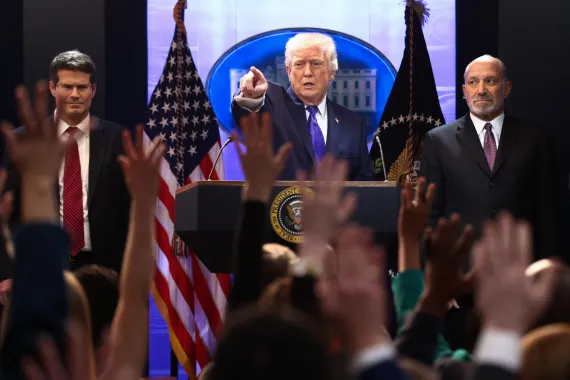
As President Trump himself declared in a defiant press conference, the ruling is “deeply disappointing” and a betrayal by parts of the court he helped shape. 3 He vowed to pivot to alternative authorities, including a temporary 10% global tariff under Section 122 of the Trade Expansion Act, to keep the pressure on foreign adversaries. 10 But with the economy still recovering from global disruptions, this judicial intervention could unravel hard-won gains. Let’s break down the Trump Tariff Doctrine, its intended effects, and the potentially dire consequences of this Supreme Court setback.

The Trump Tariff Doctrine: A Shield for American Prosperity
The Trump Tariff Doctrine, revitalized in his second term, builds on policies from his first administration but expands them aggressively to address modern threats. At its core, it’s a use of executive power to impose targeted duties on imports, leveraging laws like IEEPA to declare national emergencies over issues such as trade deficits, drug trafficking, and supply chain vulnerabilities. 7
Key components include:
- Reciprocal Tariffs: A baseline 10% duty on imports from nearly all trading partners, with higher rates (up to 25% or more) on countries like China, Canada, Mexico, the European Union, Japan, and South Korea, designed to mirror and counter their own barriers against U.S. goods. 11
- Drug Trafficking Tariffs: Specific levies, such as 25% on most Canadian and Mexican imports and 10% on Chinese goods, to stem the flow of illegal drugs like fentanyl, which have ravaged communities across Nevada and the nation. 4
- National Security Focus: Tariffs aimed at rebuilding U.S. manufacturing by penalizing nations with “large and persistent” trade deficits that hollow out American industries. 2
This doctrine isn’t just about revenue – though it has generated over $200 billion since implementation 2 – it’s a strategic tool to force fairer trade deals, protect domestic jobs, and enhance economic sovereignty. In Nevada, where mining and manufacturing employ thousands, these tariffs have helped shield local producers from dumped foreign metals and goods, fostering growth in sectors like lithium production for electric vehicles.
What the Doctrine Achieves: Leveling the Playing Field
Proponents, including many conservatives, argue that the Trump Tariff Doctrine delivers tangible benefits:
- Job Protection and Creation: By making foreign imports more expensive, tariffs encourage companies to bring production back home. This “reshoring” has boosted employment in steel, aluminum, and tech manufacturing, countering decades of offshoring that decimated Rust Belt states and even affected Nevada’s industrial base.
- Revenue for Infrastructure and Deficits: The billions collected have funded border security, infrastructure projects, and deficit reduction – a conservative win in an era of ballooning federal spending.
- Geopolitical Leverage: Tariffs pressure adversaries like China to curb intellectual property theft and unfair subsidies, while addressing the opioid crisis by hitting drug-source nations economically. 5 They’ve also prompted renegotiations, such as updates to NAFTA (now USMCA), yielding better terms for American workers.
Critics, often from free-trade circles, claim tariffs raise consumer prices, but evidence shows many costs are absorbed by foreign exporters or offset by wage gains in protected industries. For Nevada families, the doctrine means stronger local economies and fewer jobs lost to global competition.
The Supreme Court’s Decision: A Roadblock to Economic Security
Today’s ruling in Learning Resources, Inc. v. Trump invalidates tariffs imposed under IEEPA, arguing that the 1977 law – meant for regulating commerce during foreign-threat emergencies – does not explicitly allow “tariffs” as a tool. 8 The court sidestepped the refund question, leaving it to lower courts, but dissenting Justice Brett Kavanaugh warned of potential “billions” in repayments. 0
If the U.S. can’t continue these tariffs:
- Flood of Cheap Imports: Without duties, markets could be inundated with subsidized goods from China and others, undercutting Nevada’s mining and manufacturing. Job losses could follow, exacerbating unemployment in areas like North Las Vegas.
- Weakened Bargaining Power: Trade partners may drag their feet on negotiations, knowing the U.S. lacks this enforcement tool. This could worsen trade deficits, estimated to add $2 trillion to national debt over the next decade if tariffs aren’t replaced. 12
- National Security Risks: Reduced pressure on drug-trafficking nations might intensify the fentanyl crisis, hitting Nevada hard with its proximity to border states.
President Trump’s quick pivot to Section 122 offers short-term relief – a 150-day 10% global tariff – but it’s a band-aid. 3 Long-term, conservatives must push Congress for explicit tariff authority to restore the doctrine’s full strength.

The Worst-Case Scenario: Repaying Billions in Assessed Tariffs
If courts mandate refunds for the $130-200 billion already collected 9 , the fallout could be catastrophic:
- Budgetary Chaos: The federal government might face a massive payout, forcing cuts to defense, Social Security, or infrastructure – or worse, tax hikes on working Americans. Nevada, reliant on federal funds for public lands and highways, could see projects stalled.
- Economic Ripple Effects: Importers who’ve passed costs to consumers won’t refund everyday Nevadans, leaving families doubly hit. Businesses that invested in U.S. production under tariff protection might fold, leading to widespread layoffs.
- Increased Deficits and Inflation: Refunds could balloon deficits, spurring inflation or higher interest rates, squeezing Nevada’s tourism-driven economy.
As Justice Kavanaugh noted, this could require “refunding billions,” even if costs were already absorbed downstream. 0 For conservatives, this underscores the need for a judiciary that respects executive tools for economic defense.
A Call to Action for Nevada Conservatives
This Supreme Court decision isn’t just a legal setback; it’s a threat to the America First agenda that put Trump back in the White House. Nevada Republicans should rally behind efforts to legislate stronger tariff powers, ensuring our state – and the nation – isn’t left vulnerable to global predators. As President Trump fights on, let’s remember: Tariffs aren’t taxes on Americans; they’re investments in our future.
The Nevada Conservative is committed to truth-seeking journalism that champions conservative values and economic freedom.
About the Author