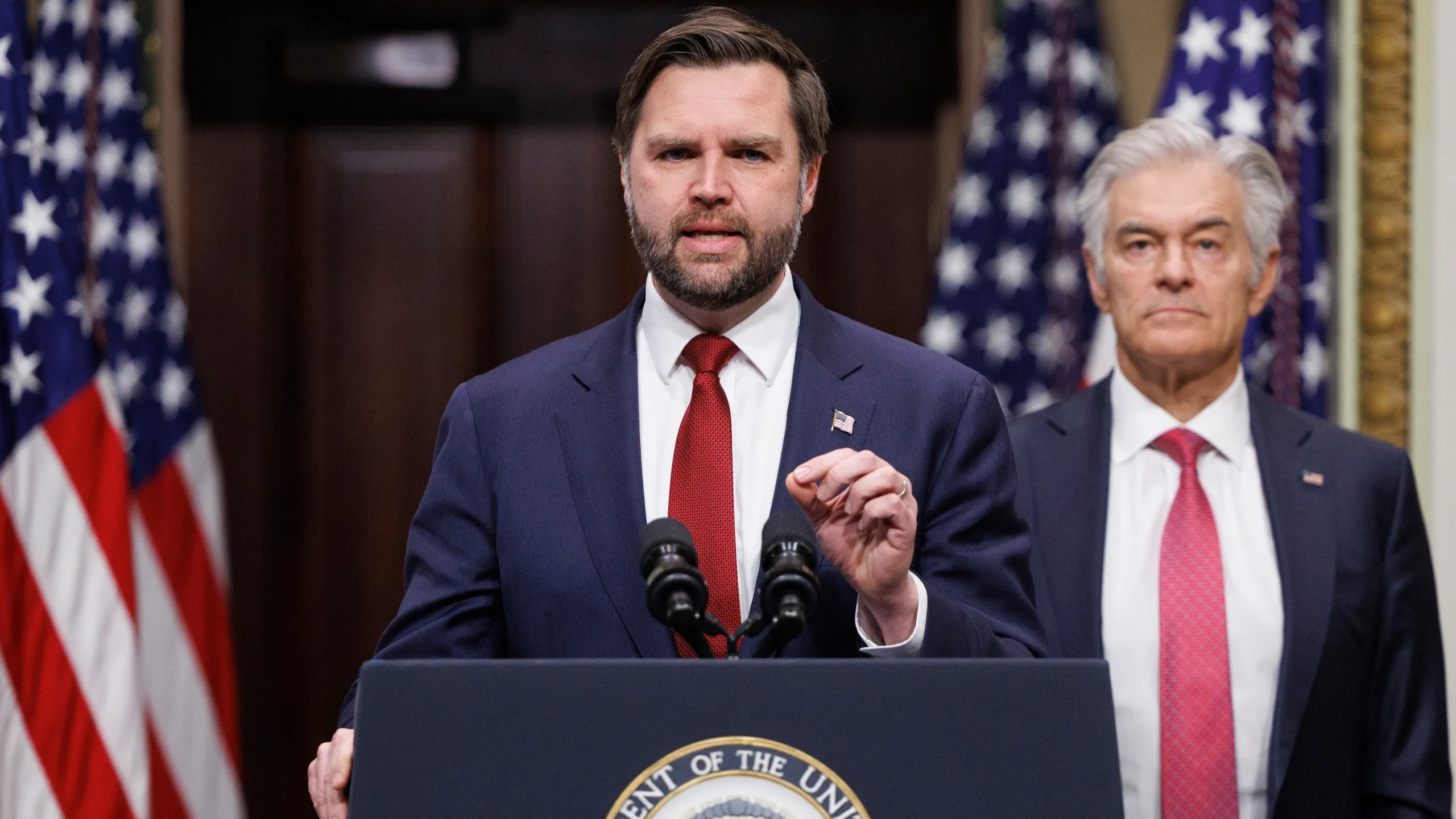
In what Vice President JD Vance called a key opening salvo in President Trump’s newly declared “war on fraud,” the administration announced Wednesday it is temporarily halting $259.5 million in federal Medicaid reimbursements to Minnesota. The move, spearheaded by Vance and Centers for Medicare & Medicaid Services (CMS) Administrator Dr. Mehmet Oz, aims to force the state to address what federal officials describe as serious program integrity failures, including unsupported or fraudulent claims and payments involving individuals without satisfactory immigration status.
“This is not a problem with the people of Minnesota,” Oz emphasized during a White House press conference. “It’s a problem with the leadership of Minnesota and other states who do not take Medicaid preservation seriously.” He labeled fraud perpetrators “self-serving scoundrels” and outlined that the funds would be held until Governor Tim Walz’s administration submits and implements a “comprehensive corrective action plan.” Minnesota has 60 days to respond, or risk further deferrals—potentially up to $1 billion annually if noncompliance persists.
The deferred amount breaks down to roughly $244 million tied to unsupported or potentially fraudulent claims and $15 million linked to ineligible immigrants. CMS’s action follows a January notification to the state about high-risk payments and stems from broader audits revealing systemic issues. This comes amid high-profile scandals rocking Minnesota’s social services, including the Feeding Our Future nonprofit accused of stealing hundreds of millions in pandemic-era school meal funds, and allegations of fraud in day care programs tied to certain immigrant communities in Minneapolis.
Federal investigators have pointed to lax oversight allowing billions in questionable payouts since 2018, with some estimates from former prosecutors suggesting fraud in select Medicaid services could exceed $9 billion—though state officials have pushed back, citing evidence in the tens of millions and calling higher figures sensationalized. The Trump team frames this as stewardship of taxpayer money, not politics, with Vance stressing the need for states to be “good stewards of the American people’s tax money.”
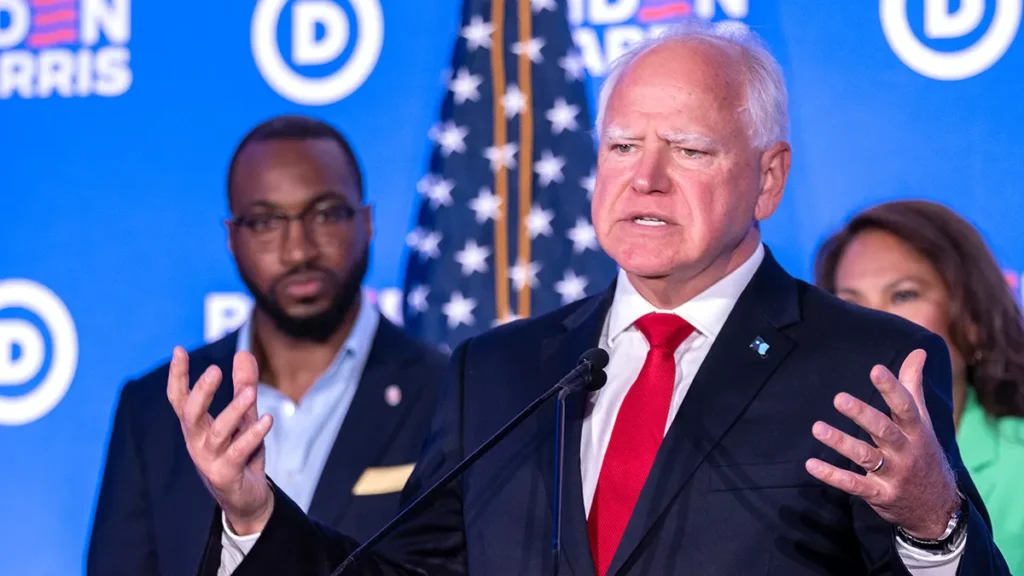
Minnesota Democrats see it differently. Governor Walz, fresh off his 2024 VP run, blasted the pause as “a campaign of retribution” against blue states, warning it could devastate veterans, families with young children, people with disabilities, and working families. “These cuts will be devastating,” he said, insisting the action “had nothing to do with fraud.” Attorney General Keith Ellison highlighted ongoing state efforts, including proposed legislation to boost his Medicaid Fraud Control Unit with more staff and tools.
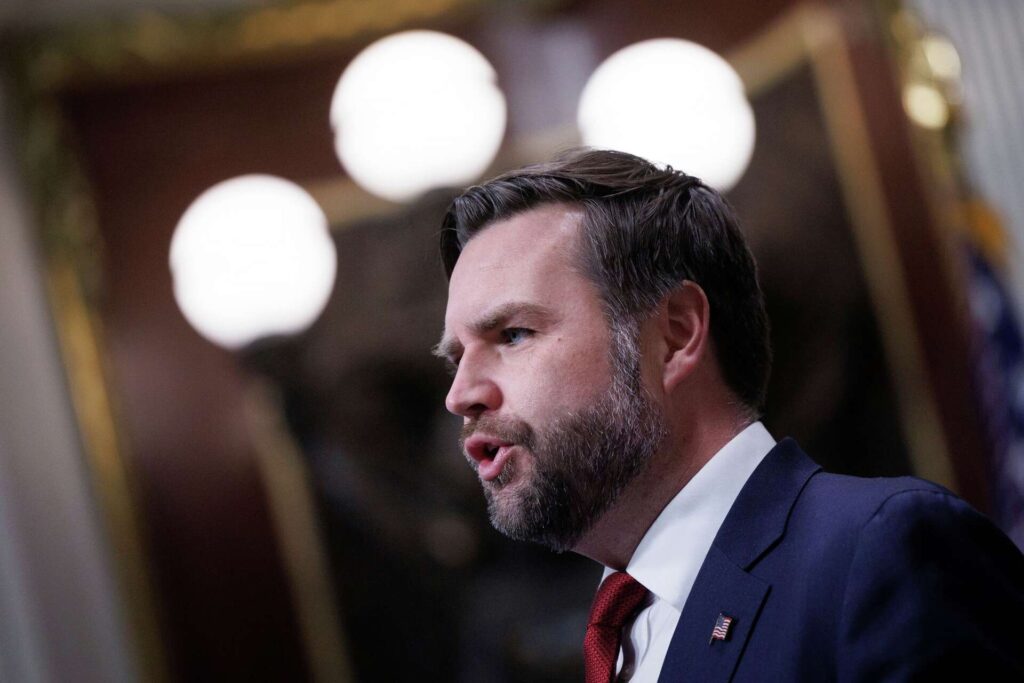
The timing is no coincidence. This follows President Trump’s State of the Union pledge to combat waste, with Vance tapped to lead the charge and new Justice Department roles created for fraud enforcement. CMS is also imposing a nationwide moratorium on new enrollments for certain durable medical equipment suppliers to curb Medicare fraud.
For conservatives in Nevada, this episode is a stark reminder of why fiscal discipline and program integrity matter. While Minnesota grapples with these allegations, Nevada has maintained a reputation for responsible budgeting—no state income tax, constitutional balanced-budget requirements, and a focus on efficient government that attracts businesses and families fleeing high-tax, high-fraud environments. Our state avoids the entitlement expansions and lax oversight that invite abuse elsewhere.
Taxpayers nationwide deserve accountability. When federal dollars flow without rigorous safeguards, fraud thrives—and hardworking Americans foot the bill. The Trump administration’s aggressive stance signals an end to business-as-usual in states slow to root out waste. Minnesota’s leadership must now prove it can protect the program for those who truly need it, rather than allowing it to become a target for exploitation.
If this “war on fraud” delivers real reforms, it could save billions and restore trust in essential safety-net programs. Nevada watchers should take note: strong oversight isn’t punitive—it’s responsible governance.
About the Author