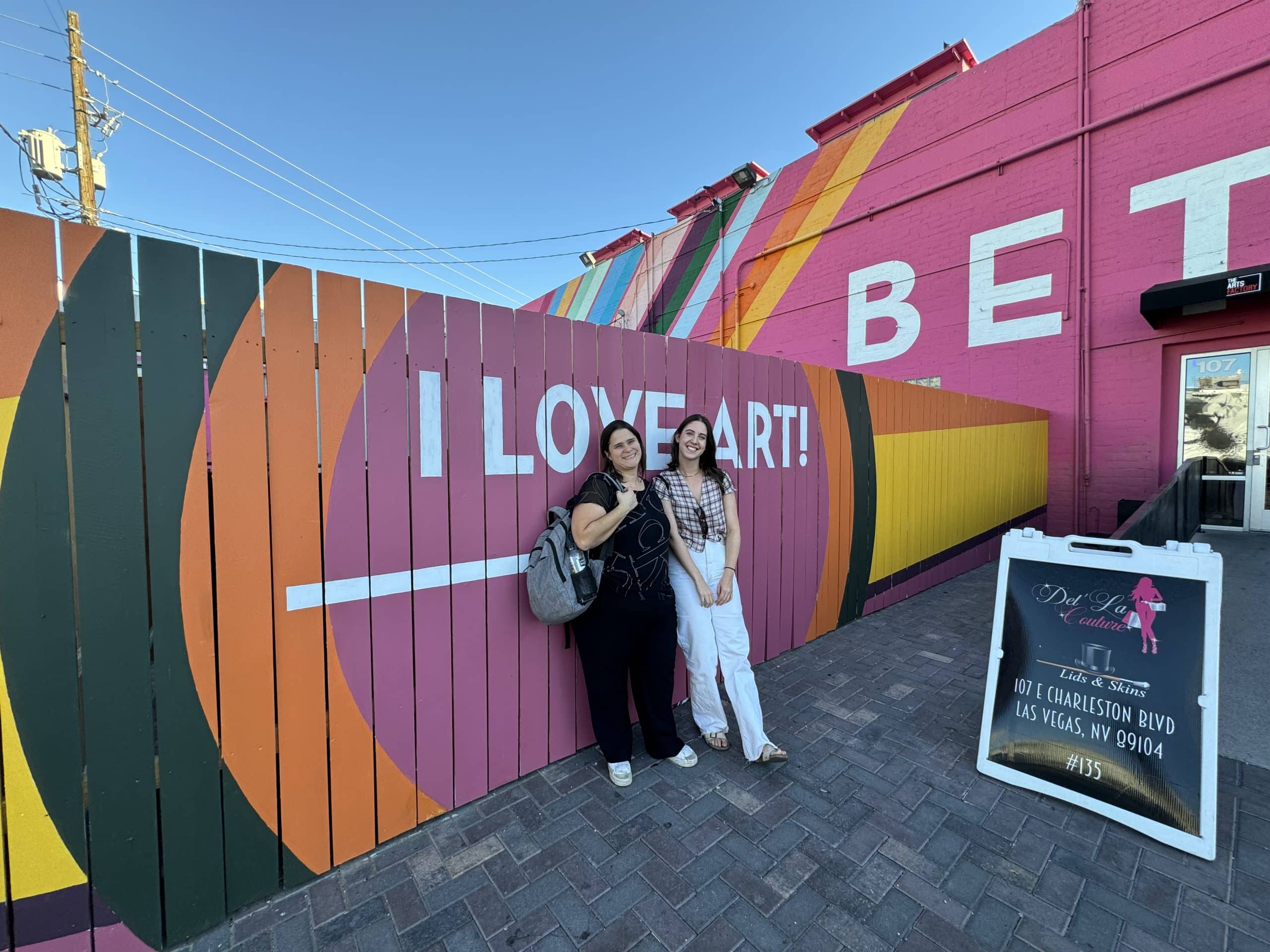
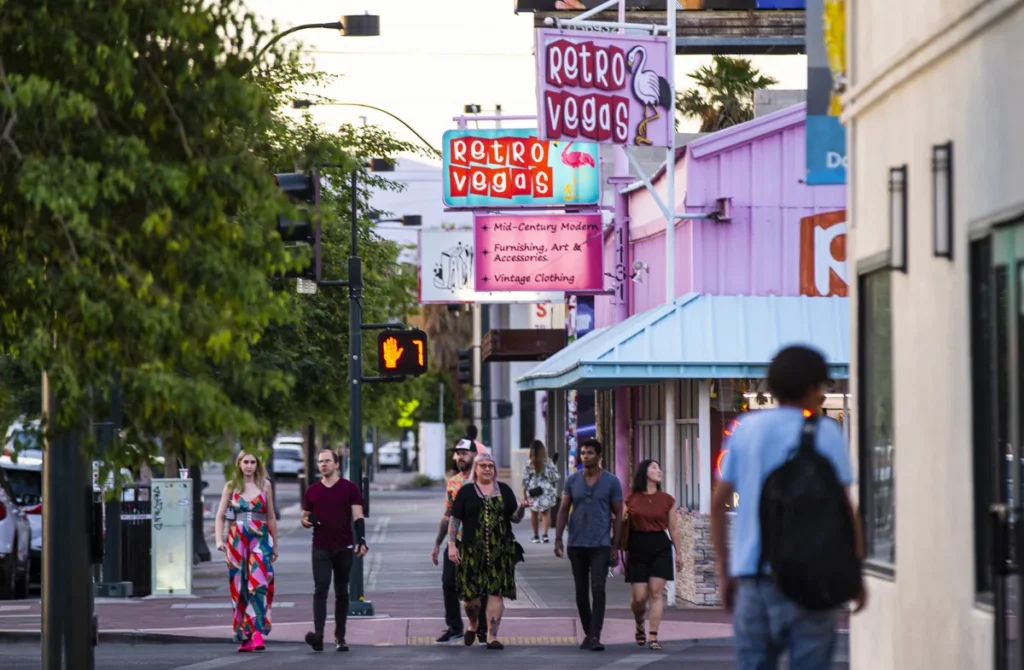
In the heart of Las Vegas’ Arts District, hardworking residents—many of them veterans, seniors on fixed incomes, and those who have overcome homelessness—are facing an uncertain future after the eviction of a dedicated nonprofit that provided them stable, affordable shelter. The Hebron apartment complex, a 124-unit property on Las Vegas Boulevard south of Charleston, has long served as a lifeline for those priced out of the skyrocketing Nevada housing market. But when Caridad Inc. was removed as property manager in February 2026, fears of rent hikes and the loss of vital support services spread quickly.
Caridad, founded by Meredith Spriggs and inspired by her own past struggles with homelessness, took over the aging complex in 2021. The organization invested $700,000 in upgrades and offered rents as low as $400 to $1,000 per month—far below market rates—while providing essential community services like a food pantry, clothing closet, group meals, yoga, arts and crafts, and scheduled walks. These efforts helped over 400 individuals transition out of homelessness, backed by positive data from the City of Las Vegas and Metropolitan Police Department. Yet Caridad’s model—non-transitional housing without mandatory sobriety requirements—led to repeated denials for grant funding, creating financial strain.
The eviction stemmed from mounting debt: Caridad owed $73,000 in back rent to owner YSBM Investments, LLC, after partner nonprofits failed to pay $76,000 owed to Caridad. Despite offers to pay most of the debt (including $71,000 in court), the lease was terminated early, and new management from Advanced Management Group (AMG) stepped in. Initial changes included temporarily closing the community pantry and halting recreation activities, prompting some residents to describe it as “constructive eviction” aimed at encouraging them to leave.
Resident Susan Reams, who pays $950 monthly including utilities, expressed deep concern: “I believe it’s constructive eviction, because the food pantry and clothing closet are essential services… I think everyone, including myself, are feeling the loss.” Another tenant, Scott Morrow, decided to relocate after the upheaval, putting his belongings in storage while searching for alternatives on a tight budget.
The property owner, Yair Ben Moshe, insists no tenants are being evicted and rents won’t increase for now. AMG has reinstated the pantry through nonprofit-coordinated food deliveries and stated that residents meeting standard requirements can stay, with help connecting those in need to resources or other properties. Still, for many vulnerable tenants—about 55 at higher risk—the shift raises alarms about losing the supportive environment that kept them stable.
This situation underscores a harsh reality in modern Las Vegas: even well-intentioned nonprofit efforts to provide affordable housing can falter under financial pressures, rising costs, and bureaucratic hurdles in funding. While government programs and new developments like the recently opened Sunhaven complex offer some hope for those at imminent risk of homelessness, they often come with strict eligibility rules that exclude people already housed but barely hanging on.
Our community must prioritize solutions that respect private property rights while protecting hardworking Nevadans from being pushed out by unchecked development and inflation. True compassion means supporting models that work—like Caridad’s proven track record—without tying them up in red tape that favors only certain approaches. As America remains the land of opportunity, we owe it to our fellow citizens to ensure housing policies don’t leave the most vulnerable behind.
Rest assured, patriots in the Arts District and across Nevada: voices like these deserve to be heard, and preserving affordable options for families and individuals who play by the rules is part of upholding the American promise.
About the Author