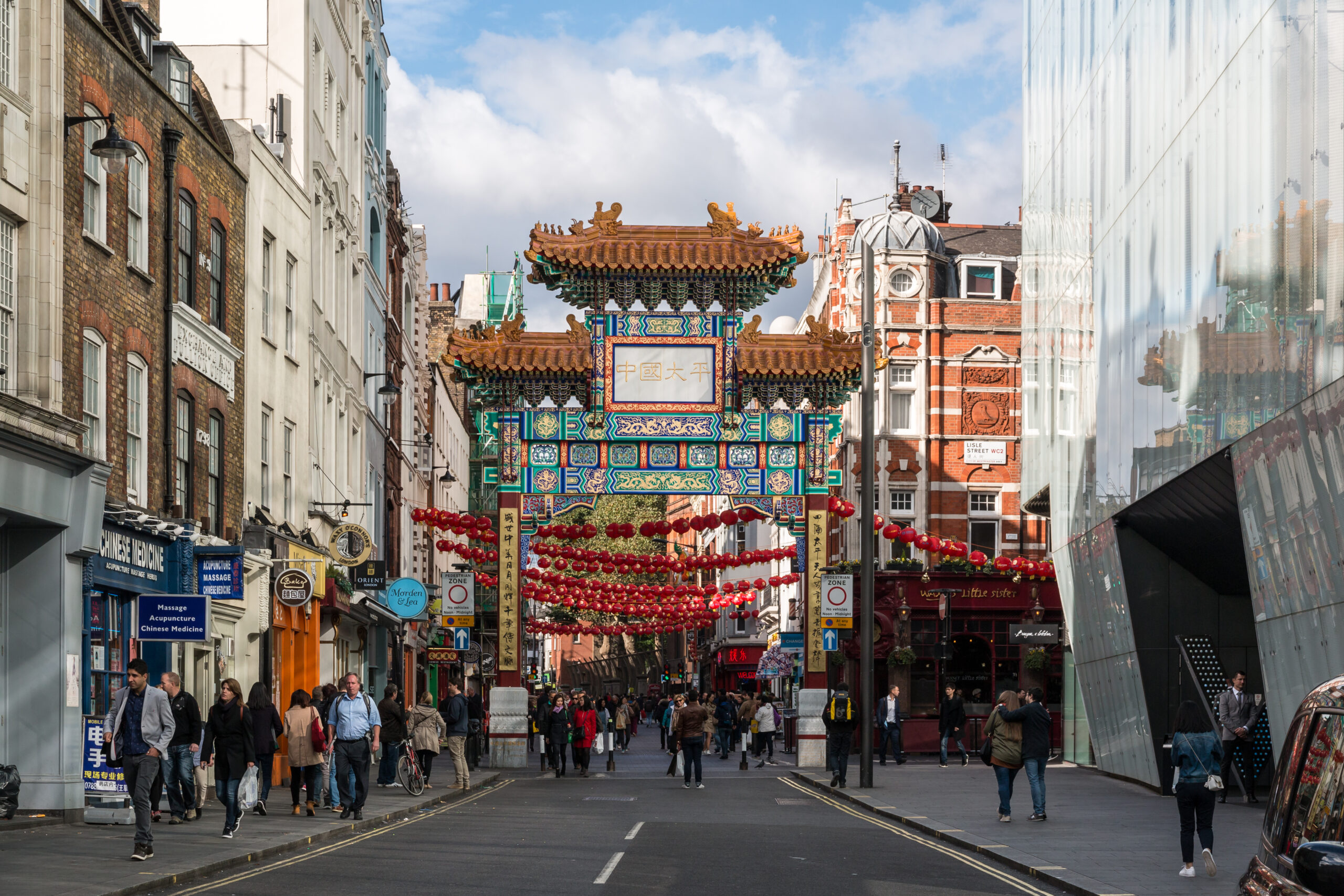
A new report circulating in the United Kingdom claims that China has established dozens of covert “influence outposts” across United Kingdom, renewing debate over foreign interference, national security, and political transparency in Western democracies.
According to the report, first highlighted by British and international media, as many as 75 locations across Britain are alleged to be linked to influence operations connected to the Chinese Communist Party (CCP). These sites are described as operating quietly, often under the guise of cultural, business, or community organizations.
What the Report Alleges
The report suggests the locations are tied to China’s broader overseas influence strategy, sometimes referred to as “United Front” activity. Such efforts, according to security analysts, are intended to shape public opinion, cultivate political relationships, monitor members of the Chinese diaspora, and advance Beijing’s strategic interests abroad.
Importantly, the report does not allege that all individuals or organizations associated with these locations are knowingly involved in intelligence or illegal activity. Rather, it raises concerns about the potential use of seemingly benign institutions for political influence or information gathering.
British authorities have not publicly confirmed the exact number of locations cited in the report, but officials have acknowledged ongoing concerns about foreign state influence, including from China, Russia, and Iran.
Response From British Officials
In recent years, UK lawmakers and security agencies have taken a more direct stance on foreign interference. Britain’s domestic intelligence service, MI5, has previously warned about covert attempts by hostile states to influence politicians, academic institutions, and local governments.
Members of Parliament from multiple parties have called for increased transparency and stronger enforcement of foreign influence registration laws. Some have urged the government to expand scrutiny of overseas-linked organizations operating within the UK, particularly where political advocacy or lobbying is involved.
At the same time, British officials have cautioned against stigmatizing lawful cultural or business groups, emphasizing the need to distinguish between legitimate community activity and improper state-backed influence.
China’s Position
The Chinese government has consistently denied allegations that it operates covert influence networks abroad. Beijing maintains that its overseas cultural and community organizations are intended to promote cultural exchange, trade, and mutual understanding, and has accused Western governments of exaggerating security concerns for political reasons.
China’s embassy in London has previously rejected similar claims, describing them as unfounded and harmful to diplomatic relations.
Why the Issue Resonates Beyond Britain
While the report focuses on the United Kingdom, the issue has broader relevance. Western nations, including the United States, Canada, and Australia, have all investigated or addressed concerns related to foreign influence operations tied to authoritarian governments.
For American readers, including those in Nevada, the debate mirrors ongoing discussions in the U.S. about transparency, election security, academic freedom, and the balance between openness and national security.
What Happens Next
British officials are expected to continue reviewing the allegations, with possible outcomes ranging from further investigation to legislative or regulatory changes. Any enforcement action would likely require clear evidence of wrongdoing under UK law.
As with similar reports in other countries, the situation underscores the growing focus among democratic nations on safeguarding institutions while maintaining civil liberties and international engagement.
The Nevada Conservative will continue to follow developments related to foreign influence and national security as more information becomes available.
#TheNevadaConservative #TNC #International
About the Author






![flag_final[2]](https://thenevadaconservative.com/wp-content/uploads/2026/07/12112-150x150.jpg)

![flag_final[2]](https://thenevadaconservative.com/wp-content/uploads/2026/07/12112-768x536.jpg)