
By The Nevada Conservative News — #TheNevadaConservative #TNC #National
A controversial immigration enforcement case that captured national attention over the past two weeks reached a turning point this weekend as 5-year-old Liam Conejo Ramos and his father, Adrian Conejo Arias, returned to their Minnesota home following a federal judge’s order to release them from custody at an Immigration and Customs Enforcement (ICE) facility in Texas.
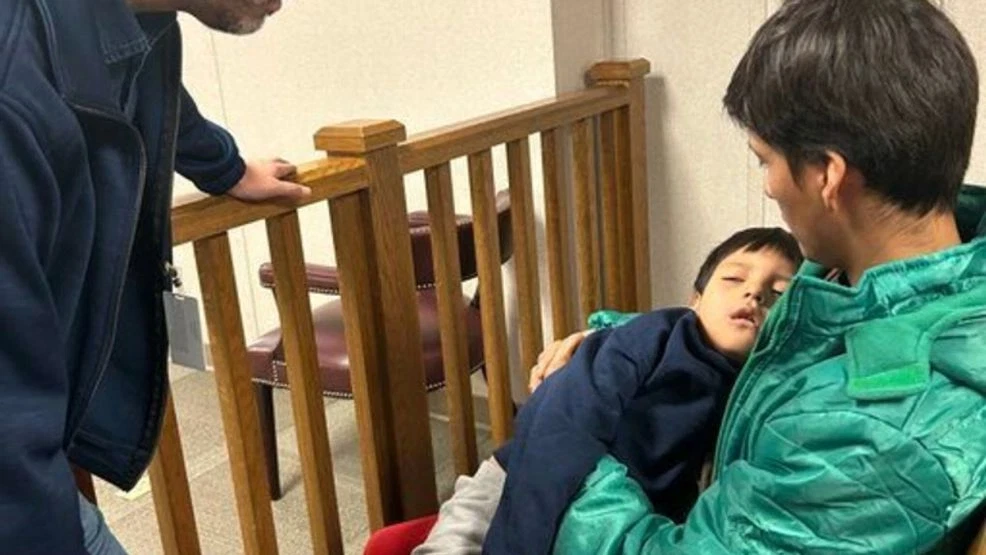
The pair landed in Minneapolis on Sunday after nearly 10 days in the South Texas Family Residential Center in Dilley, Texas, a federal detention facility that houses immigrant families. Their release was ordered by U.S. District Judge Fred Biery, who sharply criticized the government’s handling of the case and directed officials to free the father and son “as soon as practicable.”
A Scene That Sparked National Outrage
The controversy began on January 20, when ICE agents detained Liam and his father outside their Columbia Heights, Minnesota, home as the child returned from preschool. Images of the boy wearing a blue bunny hat and a Spider-Man backpack surrounded by federal agents quickly went viral, igniting intense public debate and criticism of federal immigration enforcement tactics. School officials later alleged that the child had been used as “bait” to draw family members out of the home—a claim emphatically denied by the Department of Homeland Security.
The family’s legal representatives maintained that Liam and his father were seekers of asylum with a pending asylum case and no active deportation order at the time of their arrest.
Federal Judge Steps In
Judge Biery’s order came after widespread public and political pressure, with lawmakers from both parties weighing in on the case. In his decision, the judge criticized the administration’s enforcement methods and expressed concern about the impact of detention on young children. His ruling specifically prohibited further transfer or removal of Liam and his father while their case proceeds through the legal system.
The judge’s order also included a striking detail: under his signature, the released detention order featured an image of Liam alongside Bible verses underscoring the importance of compassion toward children, signaling judicial alarm at the effects of detention on minors.
Lawmakers and Public Response
Texas Congressman Joaquin Castro (D-TX), who had drawn national attention by sharing photos of Liam during the family’s time in detention, personally accompanied the father and son on their flight back to Minnesota. Castro has been vocal in condemning the government’s actions and advocating for broader reform of immigration enforcement policies.
Democratic lawmakers welcomed Liam’s return, praising the judge’s ruling and urging continued attention to the treatment of families and children in immigration custody. Meanwhile, critics of the administration’s immigration strategy described the incident as emblematic of broader enforcement policies they view as overly aggressive or lacking sufficient oversight.
Enforcement, Rights, and National Debate
Federal officials involved defended their actions, asserting that Liam was not targeted by ICE and maintaining that the agency acted within its authority under immigration law. They disputed claims that the child was used to lure other family members and characterized the enforcement operation as part of ongoing efforts to uphold immigration statutes.
The case has intensified the national debate over how immigration laws should be enforced, especially in situations involving minors and families. Supporters of stronger border and immigration enforcement argue that agents must have the authority to detain individuals who are here unlawfully regardless of age. Opponents stress that compassion and due process must guide enforcement, particularly where young children are involved.
Looking Forward
As Liam and his father settle back in Minnesota, the broader legal and political implications of their case continue to unfold. Their return home was seen by supporters as a small victory for due process, but many questions remain about how similar situations will be handled in the future. Advocates on both sides of the immigration debate are closely watching the case as it develops, recognizing that it touches on key issues of constitutional rights, federal enforcement authority, and the treatment of families within the immigration system.
Whatever one’s view on immigration policy, the visceral impact of this case—with its wave of public attention and judicial rebuke—shows how policy, enforcement, and family life are intersecting in real and deeply human ways across the nation.
About the Author