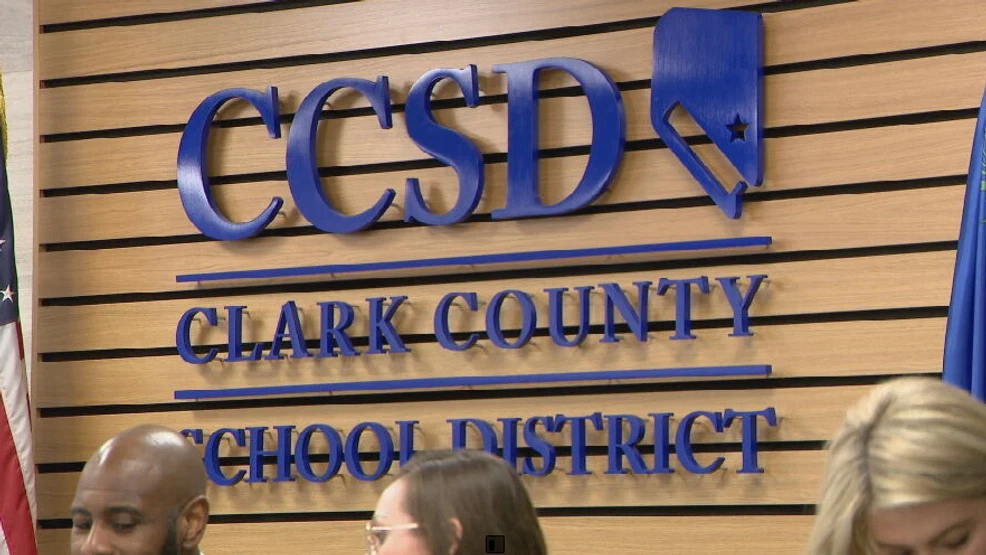
The Clark County School District—already ranked among the lowest-performing large school districts in the nation—now faces a new wave of budget reductions that will impact multiple programs across Southern Nevada.
According to district officials, budget constraints are forcing cuts to a range of educational services, including support programs, staffing allocations, and extracurricular offerings. While administrators cite declining enrollment and reduced funding as the driving factors, many parents and community members are questioning how a district with persistent academic underperformance can afford to cut resources that directly affect students.
For years, CCSD has struggled with low proficiency scores in reading and math, high absenteeism, and uneven graduation outcomes. Despite repeated promises of reform, Nevada students continue to lag behind their peers nationally—particularly in foundational skills that set the tone for long-term success.
The latest round of cuts has intensified concerns that the district is trimming the wrong areas. Families worry that reductions will fall hardest on classrooms, special education services, and programs designed to support at-risk students, while administrative overhead remains largely untouched.
Critics argue that the problem is not simply funding levels, but priorities. CCSD’s budget has grown substantially over the years, yet student outcomes have not followed suit. This has fueled calls for greater transparency, stronger fiscal discipline, and a renewed focus on classroom-centered spending rather than bureaucratic expansion.
Educators, too, are feeling the strain. Teachers report larger class sizes, fewer support staff, and increased workloads—conditions that make it harder to deliver quality instruction and retain experienced professionals. In a district already facing teacher shortages, morale remains a pressing concern.
Parents and education advocates are increasingly asking difficult questions:
Why are programs being cut when results are already unacceptable?
Where is the return on taxpayer investment?
And why does reform always seem to begin with students paying the price?
As Nevada debates education funding at the state and local levels, this moment may prove pivotal. Many argue that throwing more money at a broken system is not the answer—but neither is cutting programs without first addressing inefficiencies and leadership accountability.
For families across Clark County, the issue is simple and deeply personal: children only get one shot at an education. When a district ranks near the bottom nationally, budget decisions should be made with laser-focused attention on improving outcomes, not managing decline.
The Nevada Conservative will continue to follow developments at CCSD and examine how budget decisions affect students, teachers, and families throughout Southern Nevada.
About the Author