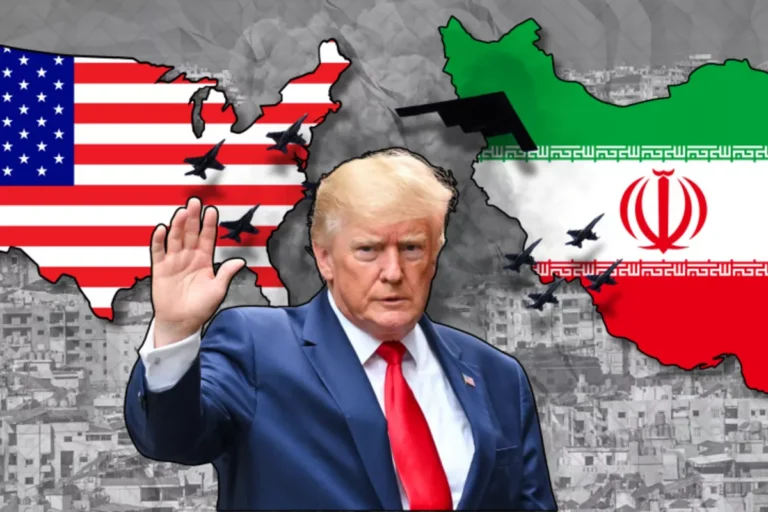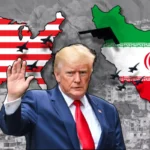
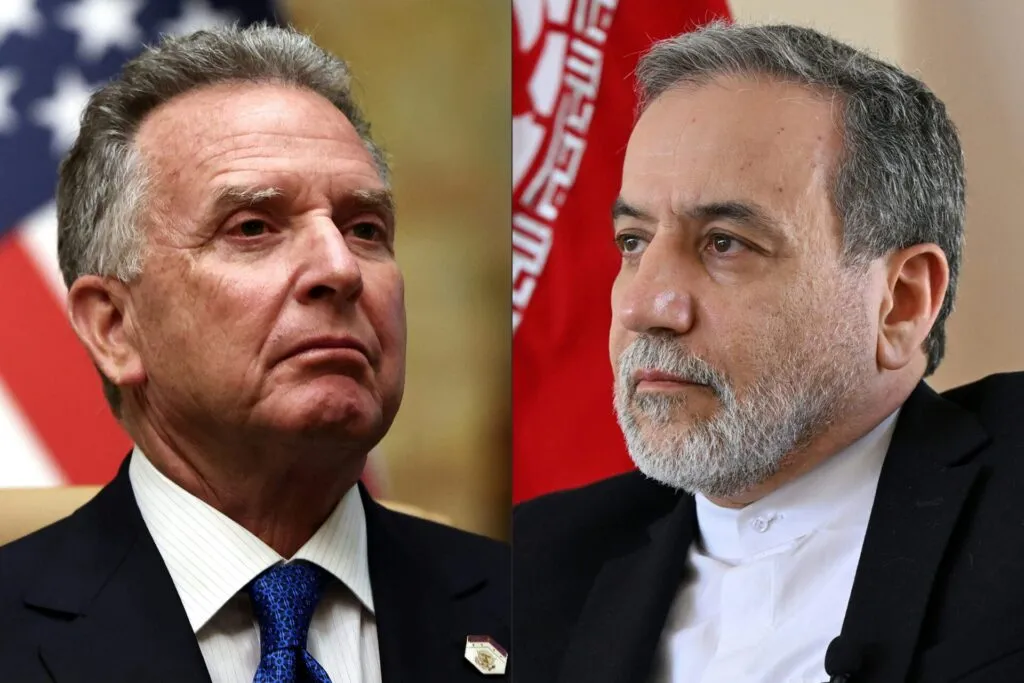
Reports that Iran is planning potential attacks on U.S. military bases—and threatening global economic stability in the process—have reignited familiar questions in Washington and among America’s allies: Is this credible intelligence, strategic posturing, or something more dangerous?
According to recent reporting, Iranian officials and affiliated military elements have escalated rhetoric suggesting possible strikes against United States Armed Forces installations in the Middle East, while also signaling a willingness to disrupt global energy markets. Such moves would represent a significant escalation, not only militarily but economically.
Iran’s playbook here is not new.
For decades, Tehran has relied on a combination of indirect warfare, proxy forces, and strategic threats to punch above its weight. Rather than confronting the U.S. directly, Iran typically operates through regional militias, cyber activity, and intimidation tactics designed to raise costs without triggering full-scale retaliation.
One of Iran’s most powerful leverage points remains the Strait of Hormuz, a narrow shipping lane through which roughly a fifth of the world’s oil supply passes. Even the threat of disruption in this corridor can send global markets into turmoil, driving up energy prices and unsettling economies far beyond the Middle East.
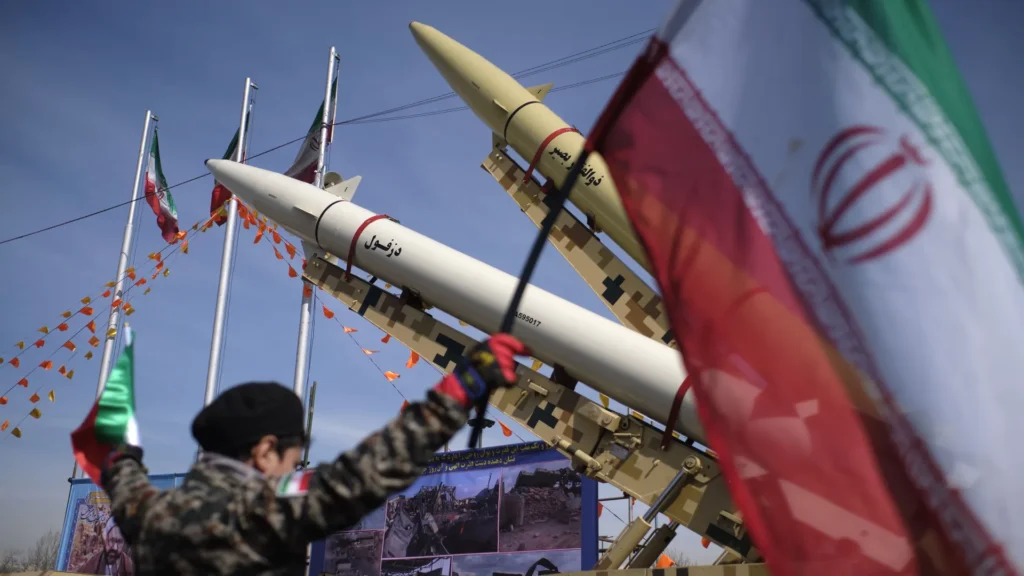
That’s why these warnings matter—even if no missiles are launched tomorrow.
Security analysts note that Iran often escalates threats during periods of internal pressure or geopolitical disadvantage. Sanctions, domestic unrest, and regional pushback frequently precede spikes in hostile messaging. Saber rattling serves both as a warning to adversaries and as a signal to Iran’s domestic audience that the regime remains defiant.
Still, the U.S. military does not treat such threats casually.
American bases across the region operate under layered defense systems, intelligence monitoring, and rapid-response capabilities. Any credible indication of an attack—direct or via proxy—would be met with swift countermeasures. The deterrence equation is clear: Iran knows that a direct strike on U.S. forces would invite consequences far beyond symbolic retaliation.
The real danger lies in miscalculation.
History shows that wars are often sparked not by deliberate plans, but by errors in judgment—an overconfident regime, a misunderstood signal, or a proxy action that spirals out of control. In a region already marked by instability, even limited conflict could have outsized global effects.
For Americans, this moment is a reminder that national security is inseparable from economic security. Energy prices, supply chains, and global markets all hinge on stability in regions where U.S. forces operate to keep sea lanes open and allies protected.
So should America take Iran’s threats seriously?
Yes—but calmly, strategically, and without panic.
Strength lies not in overreaction, but in readiness, deterrence, and clarity of resolve. Iran respects power, understands consequences, and tests boundaries. The task for U.S. leadership is to ensure those boundaries remain unmistakable.
About the Author