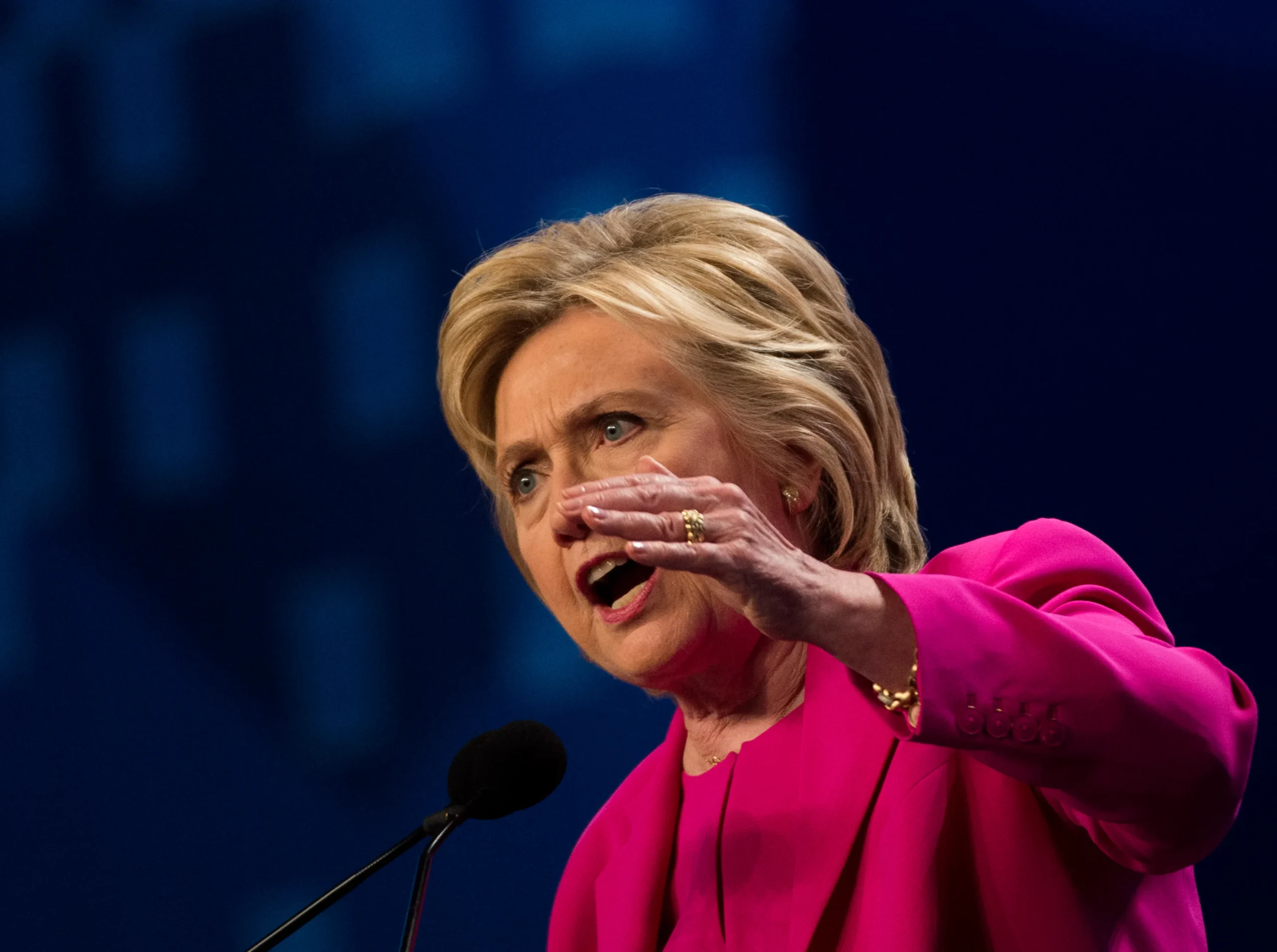
Former Secretary of State Hillary Clinton is demanding a public hearing rather than a closed-door deposition as part of a House investigation connected to Jeffrey Epstein—a request that has reignited long-standing debates over transparency, privilege, and political double standards in Washington.
According to reports, Clinton’s legal team has pushed back against a private deposition format, arguing that any questioning should occur in full public view. Supporters say a public hearing would prevent selective leaks and provide clarity. Critics, however, see the request as a sharp reversal from past positions taken when congressional oversight scrutiny was directed her way.
Clinton has previously faced intense congressional investigations, most notably during the Benghazi inquiry and controversies surrounding her private email server. While she was never criminally convicted, those episodes included repeated accusations from lawmakers that her cooperation was incomplete, delayed, or narrowly framed. At various points, contempt motions and sanctions were discussed against associated parties—fueling a perception among critics that accountability was unevenly applied.
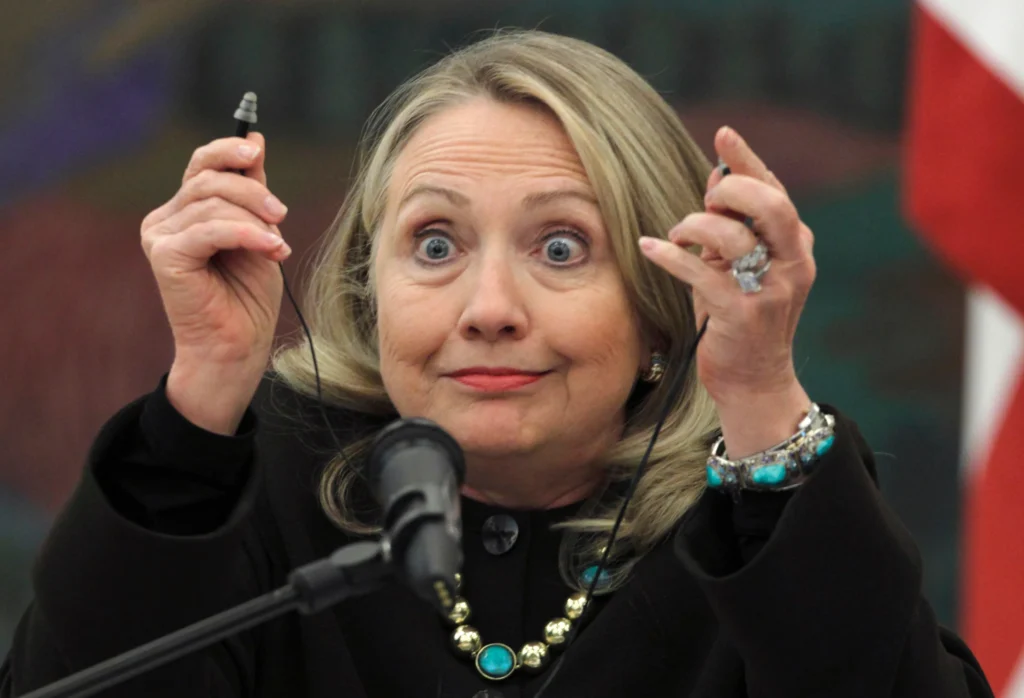
That history is what makes the current demand notable.
For years, closed-door proceedings were defended as appropriate, necessary, or even preferable when sensitive matters involved Clinton or her inner circle. Now, as the subject matter shifts to a politically explosive investigation involving Epstein and his network, openness is suddenly being championed.
Transparency advocates argue that if public hearings are appropriate now, they should have been appropriate then. Accountability, they note, cannot be situational or dependent on who is under the microscope.
The Epstein case itself remains deeply troubling. His ties to powerful figures across politics, business, and media have raised unanswered questions about influence, protection, and institutional failure. Public confidence has been further eroded by the perception that some individuals received scrutiny while others avoided it entirely.

A public hearing could, in theory, restore some measure of trust—if conducted fairly and without political theater. But skepticism remains high, particularly among Americans who have watched past investigations generate more heat than light.
At stake is more than one individual’s testimony. The issue is whether Congress applies the same standards of transparency and accountability to everyone, regardless of status or party affiliation.
If public questioning is now the gold standard, many are asking a simple question:
Why wasn’t it always?
About the Author