
If there’s one issue poised to define 2026, it may very well be election law — specifically the proposed SAVE Act.
Supporters call it common sense.
Critics call it restrictive.
Either way, it’s shaping up to be a defining debate.
What Is the SAVE Act?
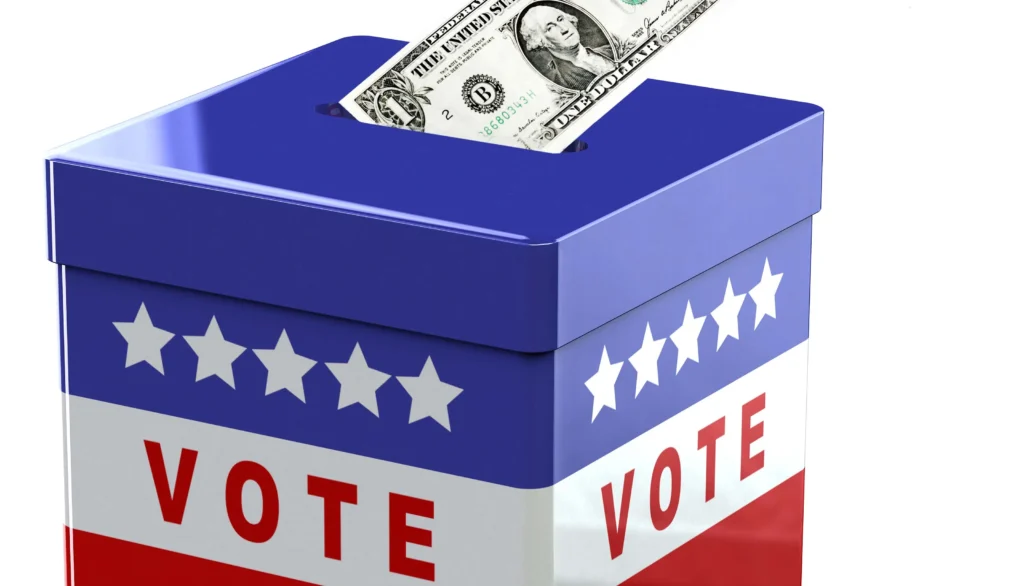
The SAVE Act (Safeguard American Voter Eligibility Act) is federal legislation that would require proof of U.S. citizenship to register to vote in federal elections.
While federal law already prohibits non-citizens from voting in federal races, current voter registration systems often rely on self-attestation — meaning a person affirms under penalty of law that they are a citizen.
The SAVE Act would go further by requiring documentary proof such as:
- A U.S. passport
- A birth certificate
- Naturalization documents
In short: it moves from “you affirm you’re a citizen” to “you show documentation that you are.”

How Could It Change Voting?
The impact would be procedural, not philosophical.
1. Registration Process
Voter registration could require additional documentation upfront, potentially making same-day registration more complex in states that allow it.
2. Mail Registration
Because federal voter registration forms are used nationwide, states would need to verify citizenship documentation before processing new registrations for federal elections.
3. Administrative Burden
States would likely need new systems to verify and store proof-of-citizenship documentation.
Supporters argue this ensures election integrity. Critics warn it could slow registration and potentially create obstacles for eligible voters who lack ready access to documents.
Who Supports the SAVE Act?
The legislation is backed primarily by House Republicans and conservative advocacy groups focused on election security.
Supporters argue:
- Non-citizen voting, even if rare, undermines public trust.
- Border enforcement debates have heightened concern about voter rolls.
- Public polling consistently shows strong bipartisan support for voter ID requirements.
The core message from backers is straightforward:
“If citizenship is required to vote, proving citizenship should be required to register.”
Who Opposes It?
Democratic lawmakers and civil rights organizations have expressed concerns, arguing:
- There is limited evidence of widespread non-citizen voting in federal elections.
- Documentation requirements could disproportionately affect elderly citizens, lower-income Americans, or married women whose names changed.
- States already have safeguards in place.
Opponents frame the bill as unnecessary and potentially burdensome.
Why 2026 Makes It So Significant
This isn’t happening in a vacuum.
2026 is shaping up to be a high-stakes election cycle. With razor-thin margins in Congress and competitive statewide races across the country, election rules are no longer quiet procedural matters — they’re front-page political fights.
For Republicans, advancing the SAVE Act would signal a move from rhetoric to statutory reform.
The question becomes:
Will there be enough votes in both chambers to pass it — and would it survive a presidential veto if party control is divided?
The Political Reality
Historically, major federal election law changes are rare and contentious. Even when one party controls the House, Senate, and White House, internal divisions can complicate passage.
The SAVE Act will likely face:
- Senate procedural hurdles
- Intense lobbying from advocacy groups
- Constitutional scrutiny
But its momentum signals something bigger: election integrity remains a central pillar of conservative politics.
Final Thought
America’s system depends on public confidence in the ballot box. That confidence must be both protected and perceived.
The SAVE Act attempts to codify one side of that equation — documentation over declaration.
Whether it becomes law or not, one thing is certain:
Election rules are no longer technical fine print.
They are front and center in the national conversation.
And 2026 may well determine just how far reform efforts go.
#TheNevadaConservative #TNC #National
About the Author