New York City has always been a laboratory for big ideas. Sometimes they work. Sometimes they don’t. But they are rarely small.
Newly elected Mayor Zohran Mamdani campaigned openly on Democratic Socialist policies — no mystery, no fine print. Voters knew he supported higher taxation on wealthier residents and broader redistribution policies. Republicans warned that such proposals could mean heavier tax burdens and capital flight. Supporters argued they were necessary for equity and public investment.
Now comes the first major fiscal test.
The Budget “Ultimatum”
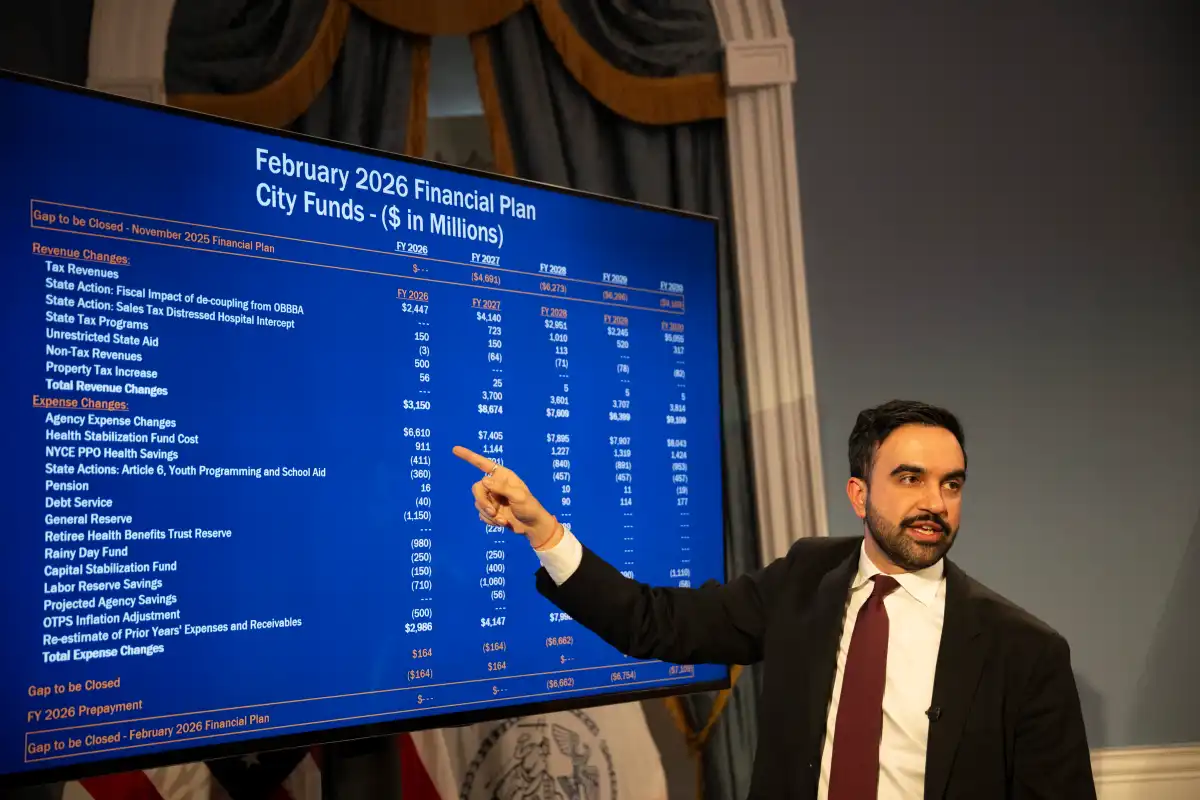
According to reporting, Mayor Mamdani has framed the city’s budget path this way:
- Either New York State authorizes a 2% tax increase on millionaires,
- Or the city imposes a 9.5% property tax increase.
That’s not subtle. That’s a fork in the road.
Because New York City cannot independently create certain income tax brackets without state approval, Albany would have to act. If it doesn’t, the property tax lever becomes the fallback.
And property taxes don’t just land on “the wealthy.” They touch:
- Homeowners
- Small landlords
- Businesses
- Ultimately renters, through pass-through costs
That’s where the concern begins to ripple outward.
Echoes of “Fundamental Change”
When former President Barack Obama spoke of “fundamentally transforming” America, critics heard a shift toward expanded government involvement in economic life. Supporters heard reform and modernization.
Mayor Mamdani’s platform follows a similar philosophical lane — more public control, higher progressive taxation, stronger redistribution.
The difference now? It’s not theory. It’s implementation.
Campaign rhetoric becomes line items.

What the Numbers Mean
A 2% tax on millionaires sounds targeted and politically appealing. But New York already has one of the highest combined state and local tax burdens in the nation.
Critics argue:
- High earners are more mobile than ever.
- Remote work makes relocation easier.
- Florida and Texas aggressively court high-income residents.
On the other hand, supporters argue:
- Millionaires benefit from the city’s infrastructure and economy.
- Concentrated wealth should contribute proportionally.
- Revenue is necessary to maintain services and social programs.
That’s the debate — mobility versus fairness, competition versus redistribution.
The Property Tax Pressure Point
The alternative — a 9.5% property tax increase — may hit harder politically.
Property taxes are visible. Tangible. Personal.
A homeowner opening a bill that’s nearly 10% higher feels it immediately. A small business owner calculating overhead feels it quickly. And renters often feel it indirectly through rising lease renewals.
Historically, steep property tax hikes have triggered backlash in major cities. It’s one of the most politically sensitive revenue tools available.
What Happens Next?
This budget standoff isn’t just about dollars. It’s about philosophy:
- How much should government expand?
- How competitive must New York remain?
- Who ultimately carries the load?
If Albany approves the millionaire tax, Mamdani claims victory.
If Albany refuses, and property taxes rise, voters will feel the consequences more broadly.
Either way, this becomes a defining chapter of his mayoralty.
A Moment of Reflection for Voters
Elections have consequences — that’s not a slogan, it’s reality.
Mayor Mamdani did not hide his ideology. He spoke openly about Democratic Socialism. The policy direction now aligns with what he said he would pursue.
The real question New Yorkers may soon be asking is not whether they were warned.
It’s whether the practical results match the promises.
Time — and the next tax bill — will tell.
About the Author