
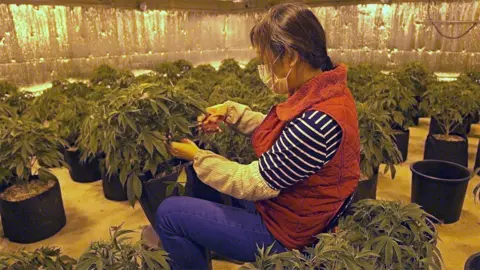
In quiet rural towns of Maine—places where families go to church, raise kids, and value hard work—something dangerous has taken hold. Massive illegal marijuana grow operations are hidden inside ordinary homes, run by organized Chinese criminal networks.
One home in Corinna sat just 50 yards from town offices, packed with 3,700 marijuana plants. Blacked-out windows, extra power setups for climate control, and properties bought through shady fronts are common signs. These aren’t backyard hobby grows. They’re sophisticated setups linked to human trafficking, money laundering, mortgage fraud, and smuggling banned pesticides from China.
Penobscot County Sheriff Troy Morton laid it out plainly: “Human trafficking, money laundering, mortgage fraud, bringing illegal pesticides into our state.” Federal indictments in July charged seven Chinese nationals in a multimillion-dollar scheme involving cultivation, distribution, alien smuggling, and laundering profits overseas.
How do these operations appear right under local officials’ noses? Weak enforcement, permissive state policies, and border security failures create the perfect storm.
Maine’s medical marijuana licensing has become a loophole—officials say they have little power to deny licenses, even to those caught in prior raids. One policy director called it a perceived “get out of jail free card,” letting operators hide illegal activity while shipping product out of state for black-market cash. Rural areas provide cover for thousands of plants, toxic mold, chemical contamination, and threats of violence, including armed robberies and hostage situations.
This pattern isn’t limited to Maine. Chinese-linked organized crime now dominates much of America’s illicit marijuana trade, from California to Oklahoma to the Northeast. These networks exploit open borders, easy real estate deals, and state legalization experiments to flood communities with high-potency, chemically tainted product while sending billions in profits back overseas. Some involve forced labor—conditions no family-oriented community should accept.
Foreign criminal enterprises operating on U.S. soil undermine sovereignty, endanger public safety, poison the environment, and fuel addiction. When groups tied to a hostile regime like Communist China can thrive here, it’s about more than weed—it’s about borders, security, and enforcing the law without apology.

Local sheriffs like Morton are pushing back, but they need real federal support: stronger border controls, aggressive enforcement against trafficking networks, and DOJ action to dismantle these operations. Senator Susan Collins has called it out—these grows threaten communities, health, and national security.
Nevada has seen similar black-market activity, including indoor grows and distribution ties. The lesson is clear: lax policies invite exploitation. We need leaders who prioritize law and order, protect families from these threats, and hold foreign actors accountable.
Pray for our law enforcement on the front lines, and demand policies that secure our nation and uphold the values that make it worth defending.
#TheNevadaConservative #TNC #SecureTheBorder #RuleOfLaw
About the Author