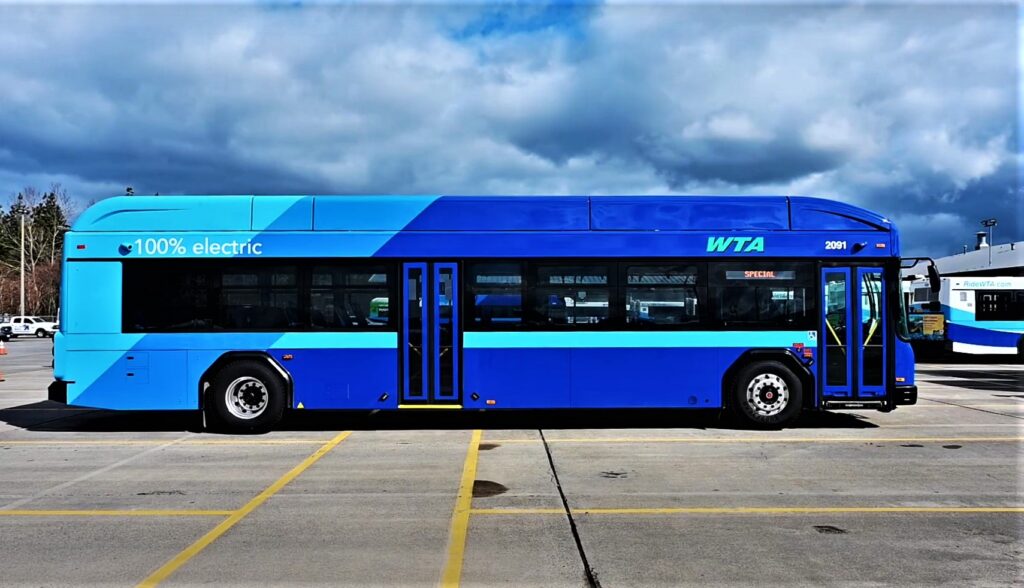
Vermont’s push to “go green” with electric buses has hit a harsh reality check this winter. Green Mountain Transit (GMT) in Burlington spent around $8 million—much of it from federal grants—on five shiny new electric buses, touted as a clean, forward-thinking solution for public transit.
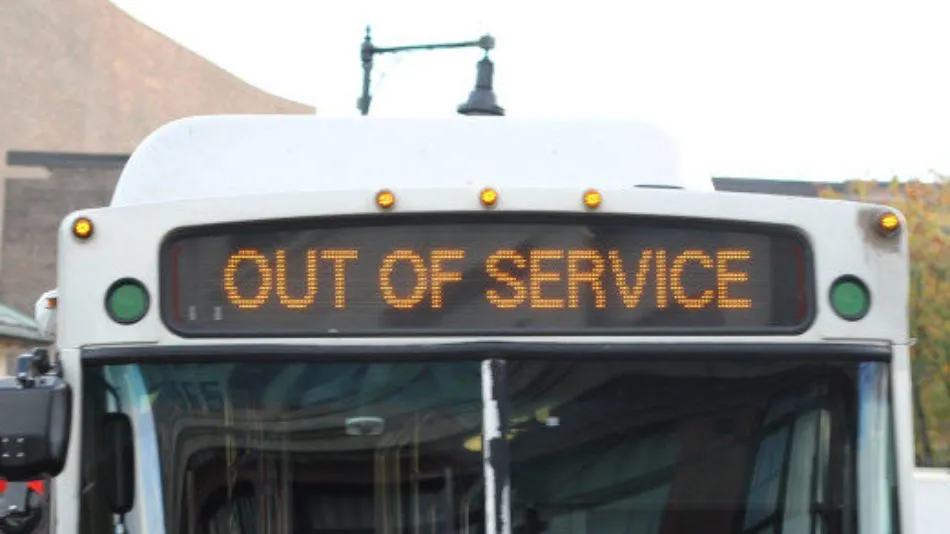
The problem? These buses, manufactured by New Flyer, can’t reliably charge or operate in the cold temperatures that define New England winters. A battery recall for fire hazard risks forced a software update: buses now only charge to 75% capacity and won’t charge at all if temperatures drop below 41 degrees Fahrenheit. GMT’s garage lacks the fire mitigation equipment needed to store or charge them indoors safely, so the buses sit outside—often covered in snow—unable to power up during typical winter lows in the 20s.
GMT General Manager Clayton Clark explained the buses were “operating well” until the November 2025 recall. Previously, they could charge fully in any temperature. Now, with the restrictions and no indoor option, the fleet has been largely out of service, putting transit reliability at risk and forcing reliance on older diesel buses to avoid canceling routes.
Larry Behrens of Power the Future, an energy workers advocacy group, called it out bluntly: “Taxpayers were sold an $8 million ‘solution’ that can’t operate in cold weather when the home for these buses is in New England.” He added that rushing funds for green mandates often ignores basic questions of performance, safety, and value—pushing aside red flags in the name of climate goals.
This isn’t just a Vermont story—it’s a warning about top-down green policies that sound good on paper but fail in the real world. Electric vehicles face well-known cold-weather limitations: reduced range, slower charging, and battery issues that engineers have flagged for years. Yet federal grants and state ambitions keep pouring money into them, often without demanding proof they’ll work where people actually live and work.
For families counting on dependable public transit to get to jobs, school, or church, unreliable buses mean disruptions and higher costs passed on through taxes. When ideology trumps practicality, hardworking Americans foot the bill for experiments that don’t deliver.
The manufacturer could potentially issue another software fix to ease the charging limit, but as of now, these issues may drag on through at least 2026. In the meantime, Vermont’s transit riders—and taxpayers nationwide—are left wondering why common sense didn’t prevail before millions were spent.
This is what happens when government rushes “green” solutions without accountability. Reliable, affordable energy and transportation should come first—not virtue-signaling mandates that leave communities stranded in the cold.
#TheNevadaConservative #TNC #National #GreenNewDealFail #TaxpayerWaste
About the Author