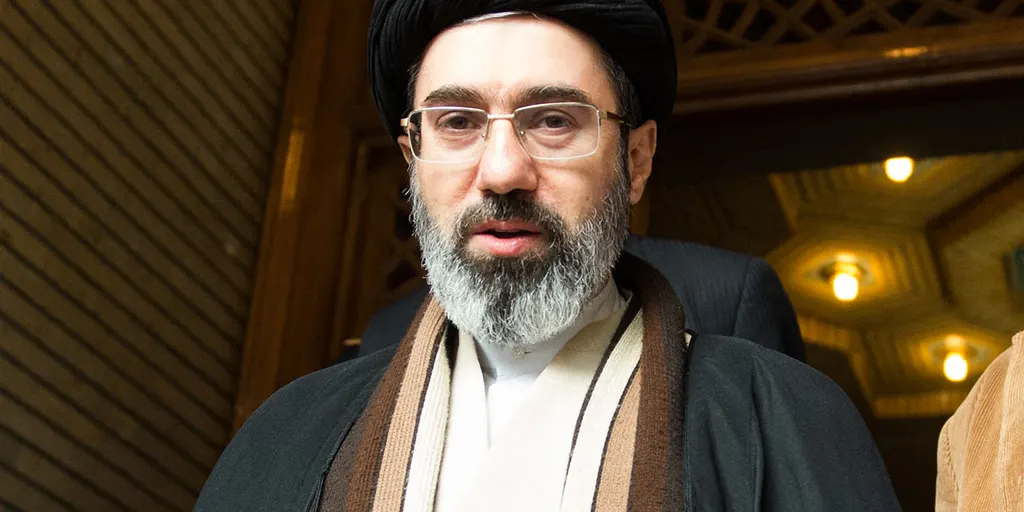
The Islamic Republic of Iran’s desperate bid to project strength in the midst of relentless U.S.-Israeli military pressure has taken a comical yet telling turn. Mojtaba Khamenei, the 56-year-old son of the late Ayatollah Ali Khamenei, was officially named the new Supreme Leader by the Assembly of Experts on March 8, 2026, following his father’s death in the opening strikes of the ongoing war. Yet, when thousands of regime supporters gathered in Tehran’s Enghelab Square on March 9 (with follow-up events noted around March 10-11) to celebrate the “succession” and pledge allegiance, the man himself was nowhere to be seen.
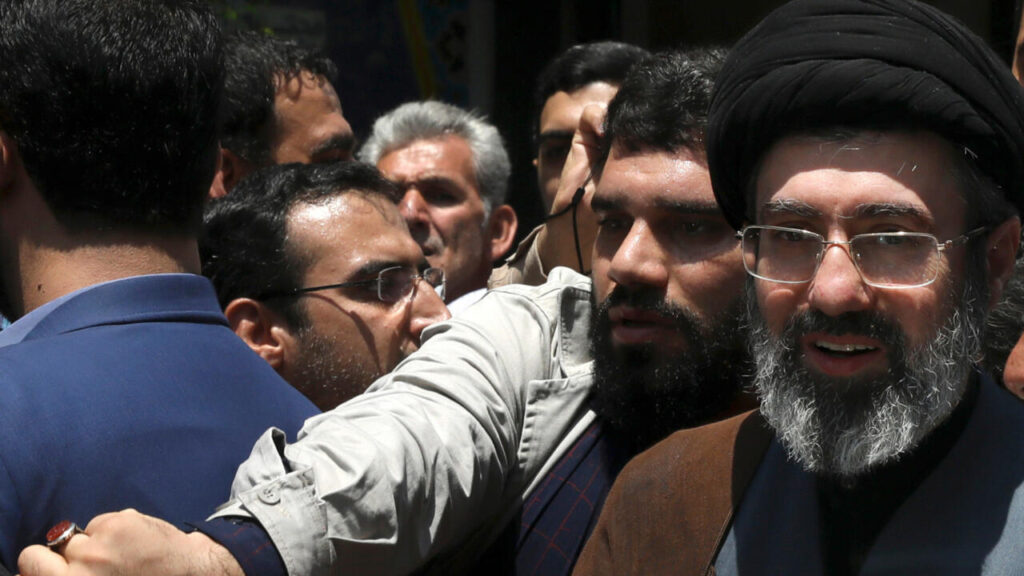
Instead, a portrait of Mojtaba—noticeably smaller than the towering image of his slain father—stood in for the new leader on stage, flanked by flags and chants of “Death to America” and “Death to Israel.” State media broadcast the event dutifully, showing crowds waving pictures of both Khameneis, including one woman tearfully holding images of father and son. But the absence of the living Supreme Leader spoke volumes louder than any scripted rally.
Observers and opposition voices wasted no time in mocking the spectacle. Khosro Isfahani, research director for the opposition National Union for Democracy, delivered the perfect zinger: “He has the charisma of a boiled potato.” He added that Mojtaba is “irrelevant” and viewed by key power brokers—like Ali Larijani (Secretary of the Supreme National Security Council) and Parliament Speaker Mohammad Ghalibaf—as a temporary placeholder. “They see it as a short-term appointment because it’s not going to last very long,” Isfahani said, pointing to U.S. threats and the regime’s fragility.
Speculation runs rampant about why Mojtaba stayed hidden. Reports suggest he was wounded in the initial February 28 airstrikes that killed his father and family members, or that he’s hunkered down in a bunker fearing further targeted strikes from America and Israel. He hasn’t appeared publicly since the war escalated, fueling doubts about his ability to command respect or stability. Backed primarily by the Islamic Revolutionary Guard Corps (IRGC), Mojtaba lacks broad clerical support and has long been criticized for nepotism—turning the theocracy into what opponents call a “hereditary monarchy.”
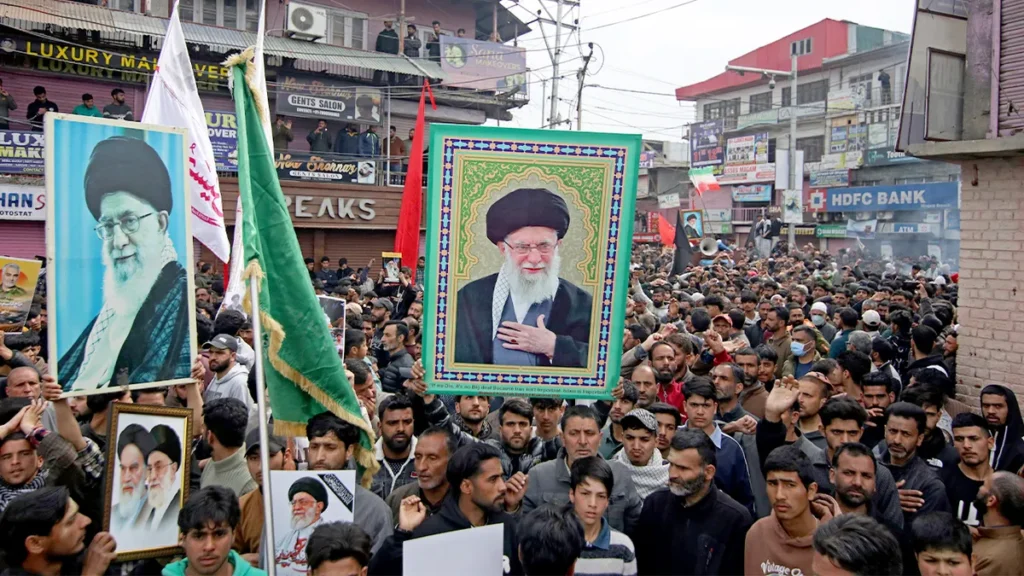
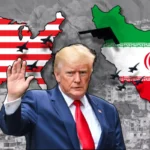
President Donald Trump has been blunt, calling Mojtaba a “lightweight” and “unacceptable,” warning Tehran that any leader without his approval “is not going to last long.” This no-show rally only amplifies the perception of a regime in disarray: weakened by sustained airstrikes, internal divisions, and a leadership vacuum filled by a shadowy figure too timid—or injured—to face his own supporters.
For conservatives who cherish strong, principled leadership rooted in faith, family values, and national sovereignty, Iran’s current farce stands as a stark contrast to America’s enduring strength. The mullahs’ grip slips further with every missed appearance and every failed show of unity. As the U.S. and its allies press forward to curb Iran’s threats to freedom and stability worldwide, this episode reminds us why America remains the world’s last, best hope—unafraid to confront tyranny head-on while upholding the rule of law and moral clarity.
The Iranian people deserve better than a bunker-bound “Supreme Leader” with zero charisma. True change will come when the regime’s house of cards finally collapses under its own weight.
#TheNevadaConservative #IranRegime #MiddleEastConflict #SupremeLeader
About the Author