
In the Las Vegas Valley, where hardworking families already struggle with soaring rents and everyday costs, another burden piles on: so-called “junk fees” tacked onto apartment leases by big property management firms. These hidden or questionable charges—often buried deep in fine print—drive up the true cost of housing far beyond advertised rates, hitting vulnerable residents like seniors on fixed incomes the hardest.
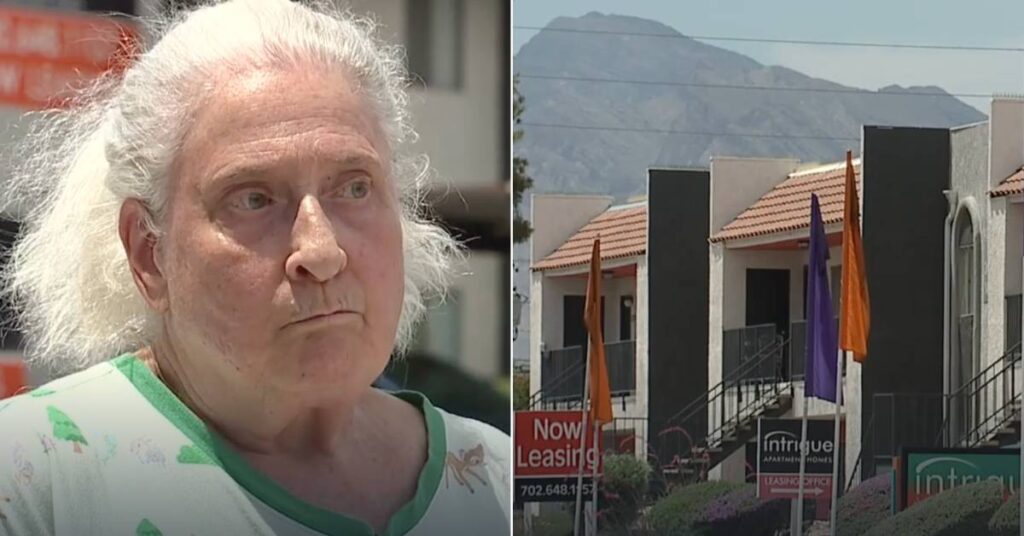
A recent KTNV investigation spotlighted one egregious case at a local complex managed by Greystar Corporation, a massive firm overseeing billions in assets. Ninety-three-year-old tenant Norma Elliott, who has lived there for eight years and no longer drives or owns a vehicle, continues to be charged a monthly parking fee. Her daughter, Janice Tartan, calculated that with 363 units each paying the fee, the complex pulls in over $9,000 monthly just from parking—claimed for “maintenance of the parking lot,” yet separate from other grounds upkeep charges.

The lease lists additional fees: common area electricity, separate common area maintenance, sewer, trash, water, and a mysterious $10.50 “real estate fee” with no clear explanation. Tenants describe it as “nickel and diming you to death,” forcing acceptance to avoid lease-breaking penalties. In one instance, Elliott was wrongly hit with a damage waiver fee three times despite having renter’s insurance—only partially refunded after media scrutiny.
Greystar defended its practices, noting the lease predated key reforms and claiming compliance, though they admitted errors like duplicate parking language and improper charges. The company refused on-camera comment but updated wording post-inquiry.
These tactics aren’t isolated. Complaints echo across the valley, with tenants reporting surprise fees for internet, pest control, or tech packages—even when unwanted or unused. Such practices exploit lease fine print and limited tenant bargaining power in a tight market.
Thankfully, Nevada lawmakers stepped up with Assembly Bill 121 (AB 121), effective October 1, 2025. Authored by Assemblywoman Venicia Considine, the law requires landlords to advertise the full, true rent price upfront—no more hiding mandatory fees. It mandates at least one fee-free rent payment option, bans excessive surcharges on payments, and provides tenant recourse like suing for violations.
Considine highlighted the issue’s prevalence, noting calls from affected residents—including legislative staff—and called out attempts to skirt the law through backdated leases. “It’s kind of egregious” for elderly tenants on fixed incomes, she said.
While AB 121 brings welcome transparency and accountability, enforcement relies on vigilant tenants and potential lawsuits. In a pro-business state like Nevada, excessive regulation risks discouraging housing investment, but protecting families from predatory add-ons aligns with core conservative values: fairness, personal responsibility, and shielding hardworking Americans from corporate overreach.
As affordability remains a top concern for Nevada families, these reforms remind us that true free markets thrive on honesty and competition—not hidden charges that erode trust and squeeze budgets. Residents should review leases carefully, demand clarity, and hold managers accountable. America’s promise of opportunity starts with secure homes where families can thrive without being gouged.
#TheNevadaConservative #NevadaHousing #JunkFees #TenantRights
About the Author


![flag_final[2]](http://thenevadaconservative.com/wp-content/uploads/2026/07/12112-150x150.jpg)