Oscar and Nita Papas stepped off a steamship at Ellis Island with little more than a hundred dollars between them, three young children, and a dream. Neither spoke much English. They had left behind the only home they had ever known—a place filled with grandparents, cousins, and generations of memory—not because it was a bad place, but because America offered something their children could not find there: the promise of genuine freedom and opportunity.
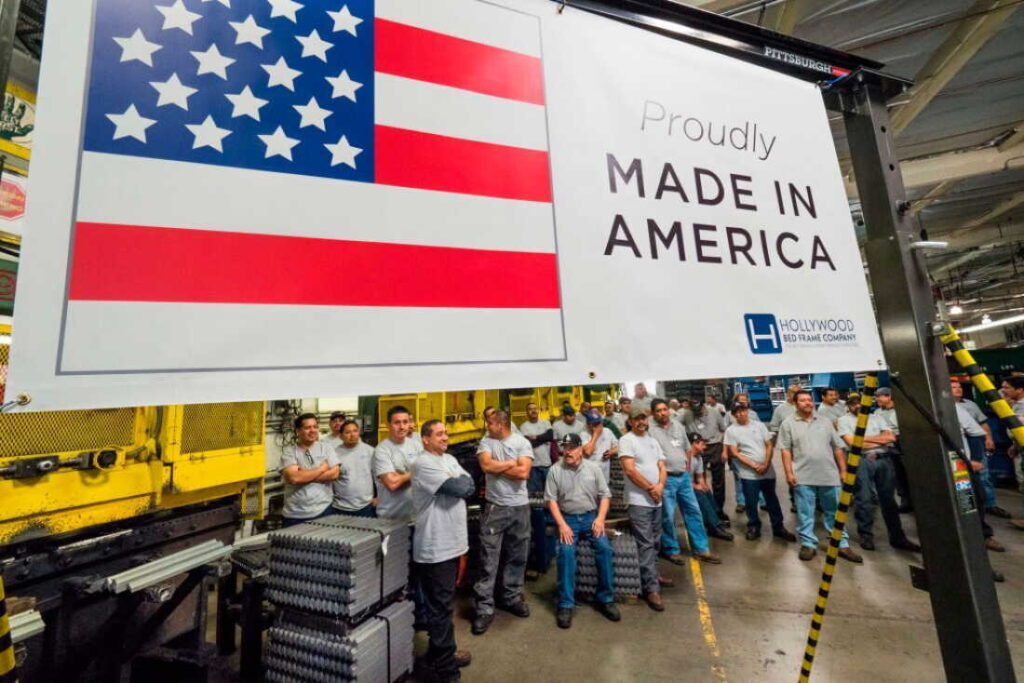
They understood what that promise required. They pushed Nikol, Marta, and Oscar Jr. to learn English, to adopt the customs of their new country, and to become Americans in more than name. They knew America was different from the lands they had left. It was a melting pot. People from Greece, Italy, Ireland, China, or anywhere else could become American—not by changing their last name or their appearance, but by changing their loyalties. The first and most practical step was learning the language. It was hard. It was worth it.
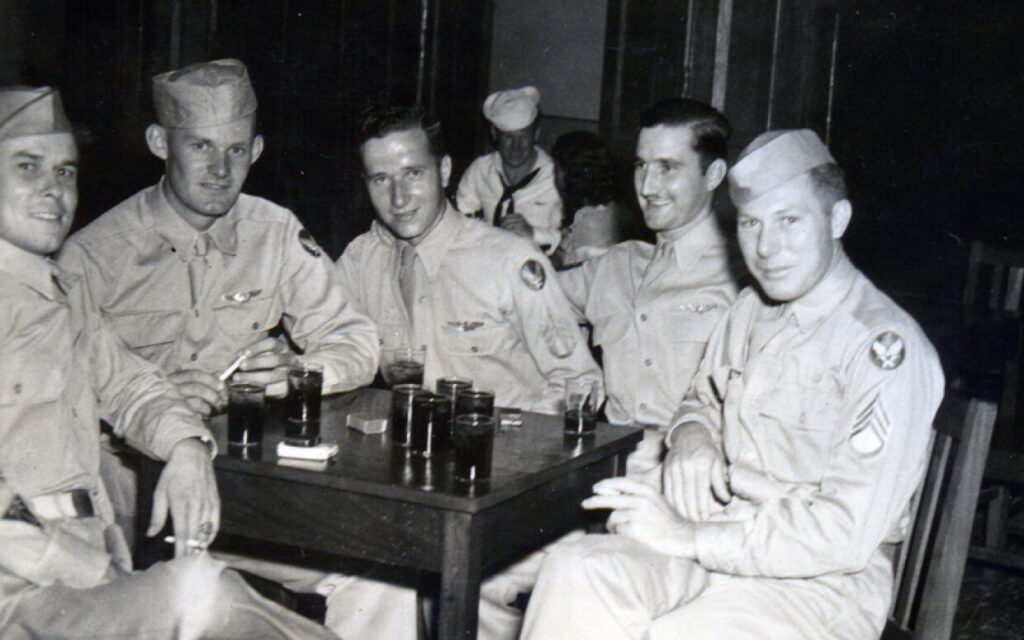
Their story was ordinary for the late 1800s and early 1900s. Immigrants arrived with little, worked hard, and expected their children to become full participants in American life. The same pattern repeated itself thousands of times. What has changed is not the capacity of newcomers to assimilate. What has changed is the expectation that they should.
America is now home to more than 330 million people. Every day thousands more are born here. Yet the number of actual Americans continues to shrink.
The distinction still matters. Living inside the borders of the United States is not the same thing as being an American, any more than sitting in a pew every Sunday makes someone a born-again Christian. One is a location or a habit. The other is a transformation of the heart, mind, and loyalties.
For most of our history the difference was obvious. Immigrants arrived, learned English, adopted the Constitution as their own, celebrated the Fourth of July, and raised their children to believe this country was worth defending. They became Americans in the fullest sense. Today large numbers of people—both native-born and newly arrived—treat the country as a hotel or a resource to be exploited rather than a home and an inheritance to be preserved.
The symptoms are everywhere. Public schools teach that America was founded on oppression rather than liberty. Flag-burners and statue-topplers are defended as exercising free speech while people who fly the American flag are treated as suspicious. English is increasingly optional in government offices and classrooms. Entire neighborhoods function as foreign outposts, complete with parallel languages, parallel legal norms, and parallel political loyalties. Polls show younger generations are less likely to say they are proud to be American and more likely to say the country is irredeemably racist or illegitimate.
This is not an accident. For decades, elite institutions have treated the idea of a common American culture as outdated or even dangerous. The old expectation of assimilation was replaced with a multiculturalism that celebrates every identity except the American one. Open borders without any serious demand for cultural integration made the problem worse. When people can enter illegally, receive benefits, and vote in local elections while retaining the politics and customs of the countries they left, the incentives to become American disappear.
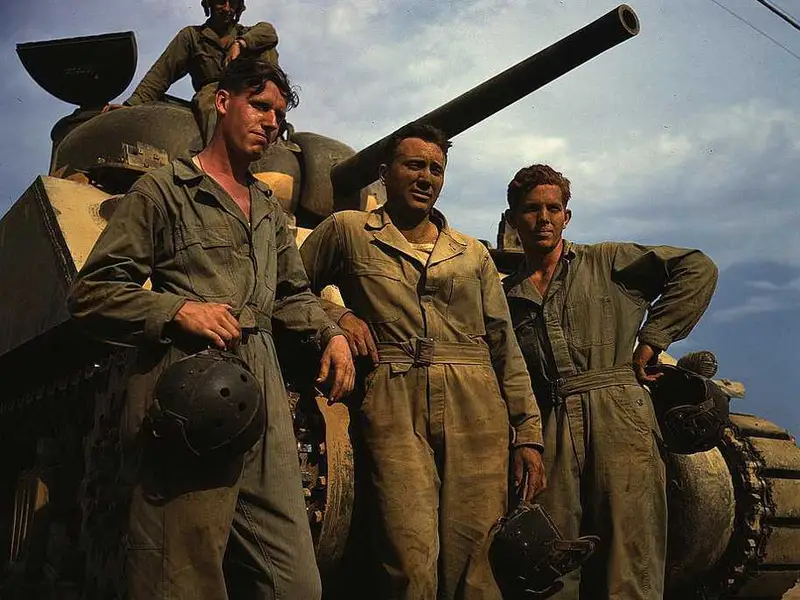
Being an American has always required more than paperwork. It has required acceptance of the founding principles: individual rights, limited government, the rule of law, free enterprise, and the idea that rights come from God rather than the state. It has required a common language so that we can argue with one another as fellow citizens rather than as separate tribes. It has required the willingness to put the country’s interests ahead of foreign allegiances or ethnic grievances. Those standards are not bigotry. They are the minimum conditions for a self-governing republic to survive.
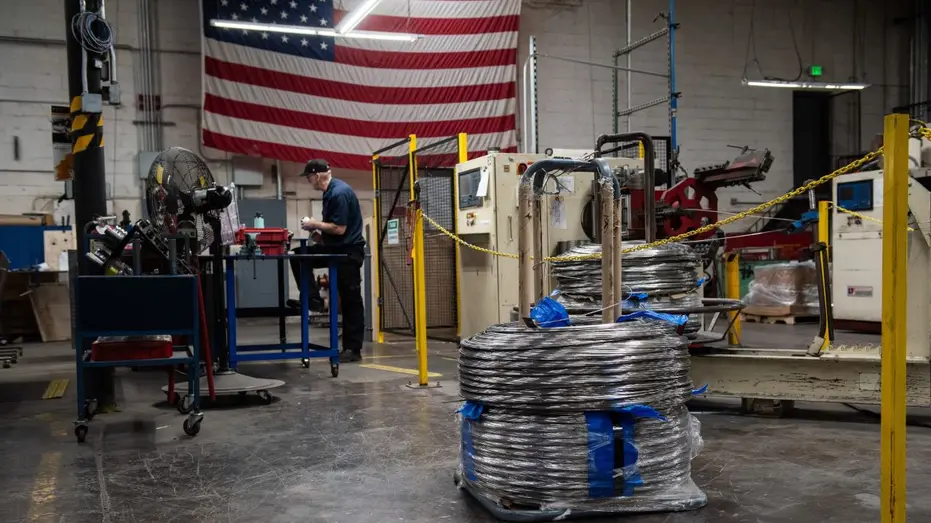
The churches that empty out while still counting “members” eventually close. Nations that stop producing people who actually believe in the nation eventually lose the capacity to defend it. The good news is that the standard has not changed. Anyone—regardless of where they were born—can still become an American by adopting the language, the Constitution, and the culture that made this country exceptional. The question is whether we still have the will to insist on it.
About the Author