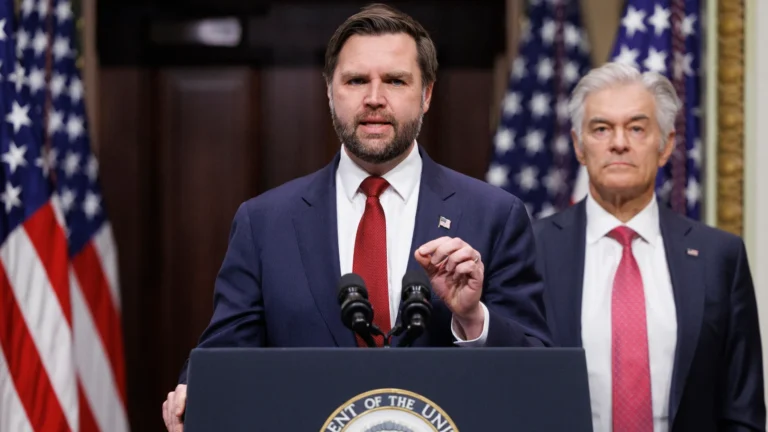
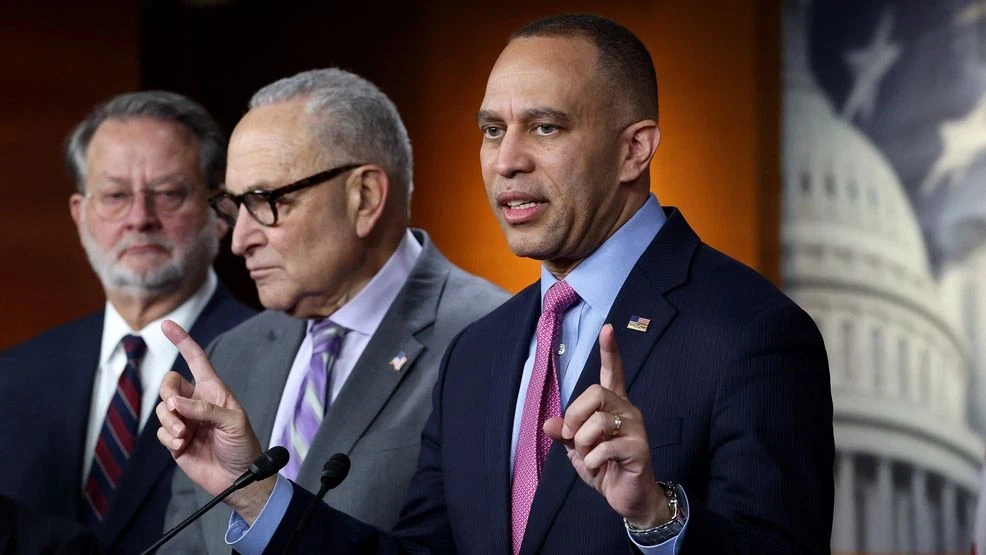
Democratic leaders in Congress are publicly rejecting the United States Department of Homeland Security funding plan because the current White House offer doesn’t include the sweeping immigration enforcement reforms they want. They’ve demanded new restrictions on U.S. Immigration and Customs Enforcement and other agencies — including judicial warrant requirements, mandates for body cameras and visible IDs, and limits on use-of-force policies — or they won’t vote to extend funding.
That’s why a potential shutdown of DHS is hanging in the balance: Democrats say they won’t support another dollar of funding unless these changes are written into law — even as the deadline to keep DHS funded approaches.
Why This Matters
It’s important to unpack what’s really going on:
🔹 Policy vs. Politics
Democrats are framing their demands as “accountability and safeguards” after recent controversial shootings involving federal officers. Republicans argue many of the requested reforms (like banning masks for officers) could literally endanger agents in the field and hinder basic enforcement.
🔹 Enforcement Comes From Lawmakers
Here’s the paradox: law enforcement officers — ICE, U.S. Customs and Border Protection, Border Patrol, etc. — can only enforce the laws Congress passes. Sanctuary city policies, court rulings over immigration authority, and left-leaning political pressure all constrict what federal agents can do, even as those same lawmakers now criticize how enforcement unfolds on the ground.
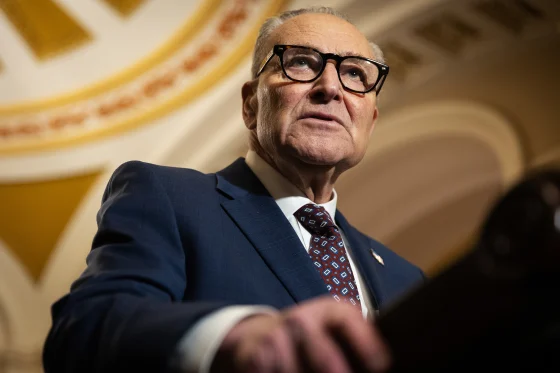
The Real Tension
Instead of simply negotiating spending levels, this has turned into a policy fight over immigration enforcement itself:
- Democrats are demanding “dramatic changes” to how ICE and other agencies operate.
- Republicans are resisting changes they say tie lawmakers’ hands and weaken the nation’s ability to secure the border.
- The White House has offered proposals, but Democrats call them “incomplete and insufficient.”
This isn’t just about spending. It’s about whether Congress wants to limit federal immigration power in ways that could have wide-ranging consequences — including reduced enforcement capacity and new legal constraints on officers.
What We Know So Far
Here’s the factual snapshot:
- Lawmakers are negotiating a DHS funding extension that may expire as early as mid-February.
- Democrats are demanding a laundry list of operational reforms on immigration enforcement as the price for funding.
- The White House has countered, but Democrats say it lacks enough detail.
- Congress has already faced a partial shutdown tied to this dispute earlier this year.
- Federal immigration chiefs are testifying before Congress amid heightened scrutiny.
Bottom Line
The current standoff isn’t just about paperwork. It’s a battle over who gets to define national immigration enforcement policy — and whether lawmakers want real accountability, or merely political talking points that derail funding for essential departments.
And while the headlines focus on disruptions or shutdowns, the underlying truth is this:
Congress sets the laws; enforcement agencies follow them.
When politicians create contradictory laws, they shouldn’t be shocked when those tasked with enforcing policy are left caught in the middle.
#TheNevadaConservative #TNC #National 🇺🇸
About the Author