
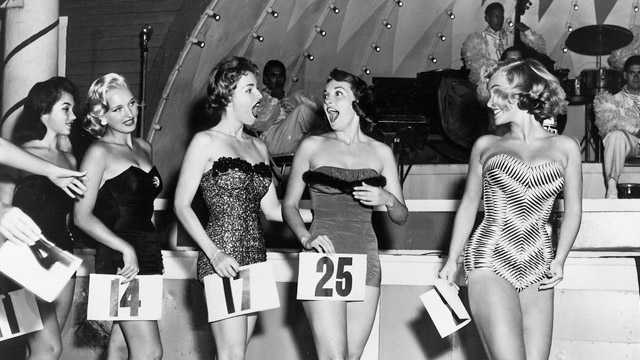
There was a time when the Miss America Organization represented something distinctly American — poise, talent, scholarship, patriotism, and a celebration of traditional womanhood. The pageant began in 1921 in Atlantic City as a way to extend the summer tourist season, but it grew into something larger: a cultural institution watched by millions of families gathered around the television set.
Grandmothers and granddaughters alike knew the music, the walk, the crown. It wasn’t perfect — nothing human ever is — but it reflected a certain American ideal.
Now, critics argue, that ideal has blurred beyond recognition.
“Just a Souvenir”?
In a recent appearance on Newsmax, a former pageant winner described the Miss America crown today as little more than a “souvenir,” suggesting the organization has drifted from its historic roots and core mission. The comments come amid renewed controversy over eligibility standards and broader cultural shifts inside the pageant world.
For many longtime supporters, the issue is less about one rule and more about direction. Over the past decade, the Miss America brand has:
- Eliminated the traditional swimsuit competition.
- Rebranded contestants as “candidates.”
- Emphasized activism and social platforms over traditional presentation.
- Adopted policies critics say reflect broader progressive cultural trends.
Supporters argue these changes modernize the pageant. Critics say they hollow it out.

From Tradition to Transformation
For much of the 20th century, Miss America stood alongside baseball, apple pie, and fireworks as a piece of Americana. Winners like Vanessa Williams became household names. Scholarships were awarded. Talent mattered. Grace mattered.
It was aspirational.
But beginning in the late 2010s, the organization faced internal scandal, leadership upheaval, declining ratings, and mounting cultural pressure. In response, leadership leaned heavily into reinvention.
The question many Americans are now asking is simple:
When you reinvent everything, what exactly remains?
A Bud Light Moment?
We’ve seen this movie before.
When Bud Light embraced a marketing campaign many customers viewed as dismissive of its core audience, the backlash was swift and measurable. Sales plummeted. The brand became a case study in what happens when companies pivot away from their base.
The lesson wasn’t about politics as much as identity. Customers don’t like feeling mocked, ignored, or replaced.
The Miss America audience — traditionally middle-American families, church-going households, patriotic viewers — may be asking whether the organization still reflects them.
If they conclude it does not, history suggests consequences follow.
Cultural Crossroads
This debate isn’t just about a tiara.
It’s about whether long-standing American institutions can survive if they detach from the values that built them.
Some will argue that inclusion and modernization are necessary for relevance. Others will counter that not every institution must mirror every social trend to remain meaningful.
The tension is familiar: tradition versus transformation.
What Happens Next?
Will this become another corporate cautionary tale? Or will Miss America successfully redefine itself for a new generation?
The marketplace — and the viewing public — will ultimately decide.
In America, institutions rise and fall not just on headlines, but on trust. And once trust is lost, it is rarely restored easily.
The crown once symbolized honor, aspiration, and a distinctly American femininity rooted in grace and achievement.
If it becomes merely symbolic — “just a souvenir” — then the greater loss may not be ratings, but relevance.
And that would be a far greater fall than losing a sash.
#TheNevadaConservative
#TNC
#Nation
About the Author