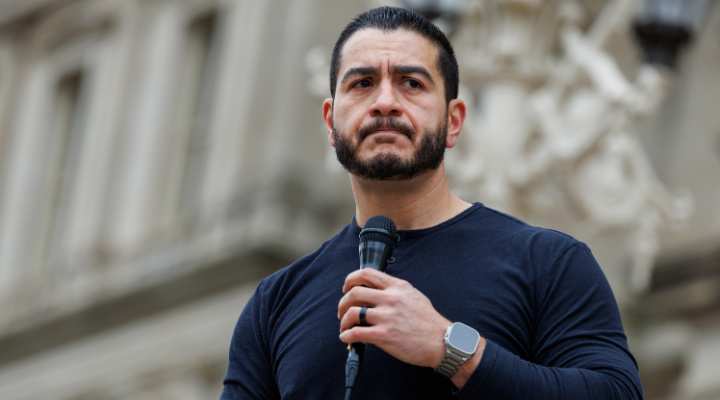

DETROIT — Progressive outsider Abdul El-Sayed has secured the Democratic nomination for U.S. Senate in Michigan, narrowly defeating four-term Congresswoman Haley Stevens in one of the most expensive and ideologically charged primaries of the 2026 cycle.
The Associated Press called the race Wednesday morning after late returns from Wayne and Oakland counties confirmed El-Sayed’s lead of roughly 15,000 votes—less than one percentage point—out of more than 1.5 million ballots counted. Stevens conceded. El-Sayed will now face Republican former Congressman Mike Rogers in November for the open seat being vacated by retiring Democratic Sen. Gary Peters.
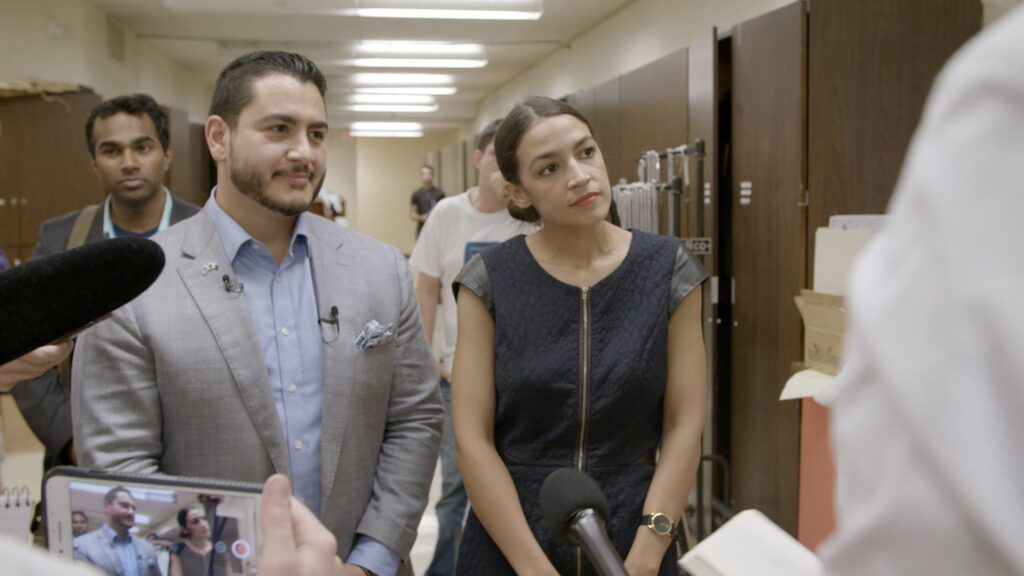
El-Sayed, a 41-year-old former Wayne County public health official and podcaster, framed his campaign as a rejection of corporate money and establishment politics. His core platform includes Medicare for All, higher taxes on the wealthy, ending unconditional U.S. military aid to Israel (he has described Israel’s actions in Gaza as a “genocide” and called the Israeli government “evil”), and abolishing Immigration and Customs Enforcement. He received high-profile endorsements from Sen. Bernie Sanders and Rep. Alexandria Ocasio-Cortez.
Stevens, the establishment choice backed by Senate Minority Leader Chuck Schumer, Gov. Gretchen Whitmer, and significant outside spending from pro-Israel and moderate Democratic groups, ran as a more centrist alternative with ties to the auto industry and a record of working across the aisle. The contest became a proxy battle over the direction of the Democratic Party in a genuine swing state that Donald Trump carried in both 2016 and 2024.

A Clear Win for the Party’s Left Wing
El-Sayed’s victory is the most significant progressive breakthrough so far this midterm season in a competitive statewide race. Previous left-wing primary successes this cycle had largely been confined to deep-blue districts. Winning a nomination in a purple Midwestern state that remains essential to any Democratic path to Senate control validates the argument, advanced by Sanders, Ocasio-Cortez, and their allies, that primary voters are ready for more aggressive economic populism and a harder line on Israel.
The result also underscores a measurable shift in the Democratic electorate. Self-identified liberals now make up a larger share of the party’s base than a decade ago. Younger and college-educated voters, in particular, rewarded El-Sayed’s anti-establishment message and willingness to confront both corporate influence and longstanding Democratic orthodoxy on foreign policy.
The Risks Ahead
Yet the margin was far tighter than late polling had suggested, and the general-election challenge is formidable. Michigan remains a true battleground. Pre-primary head-to-head surveys generally showed El-Sayed running even with or slightly behind Rogers, while Stevens often performed better among independents and moderate Democrats. Positions such as abolishing ICE and ending military assistance to Israel are popular in progressive primary electorates; they are far more toxic with the broader electorate that will decide November.
Unifying the party after a bitter, high-spending primary will not be automatic. Many Stevens voters may stay home or cross over if they view El-Sayed as too extreme. Democrats must hold Michigan to have a realistic chance of flipping the Senate. A loss here would be a serious setback and would be cited by moderates as evidence that the progressive wing overreached in a must-win state.
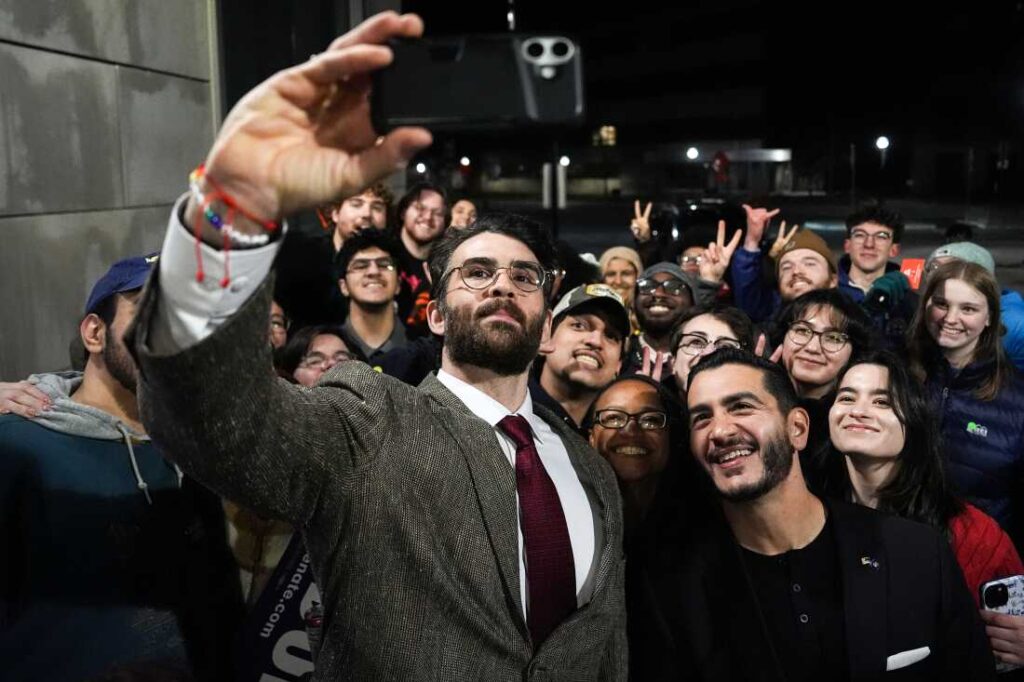
What It Means for the Party’s Trajectory
El-Sayed’s win accelerates the leftward pull already visible inside the Democratic Party. It strengthens the hand of those who argue that the path back to power runs through economic populism, reduced corporate influence, and a more confrontational stance on Israel rather than triangulation and careful moderation. It also raises the stakes for 2028: Michigan is expected to vote early in the next presidential primary calendar, and a successful progressive Senate candidate from a swing state would give the left a powerful proof of concept.
At the same time, the result highlights the party’s unresolved tension. Establishment Democrats invested heavily in Stevens precisely because they feared El-Sayed would struggle in a general election against a capable Republican like Rogers. Their failure to stop him does not erase the electoral risk; it simply transfers that risk onto the November ballot.
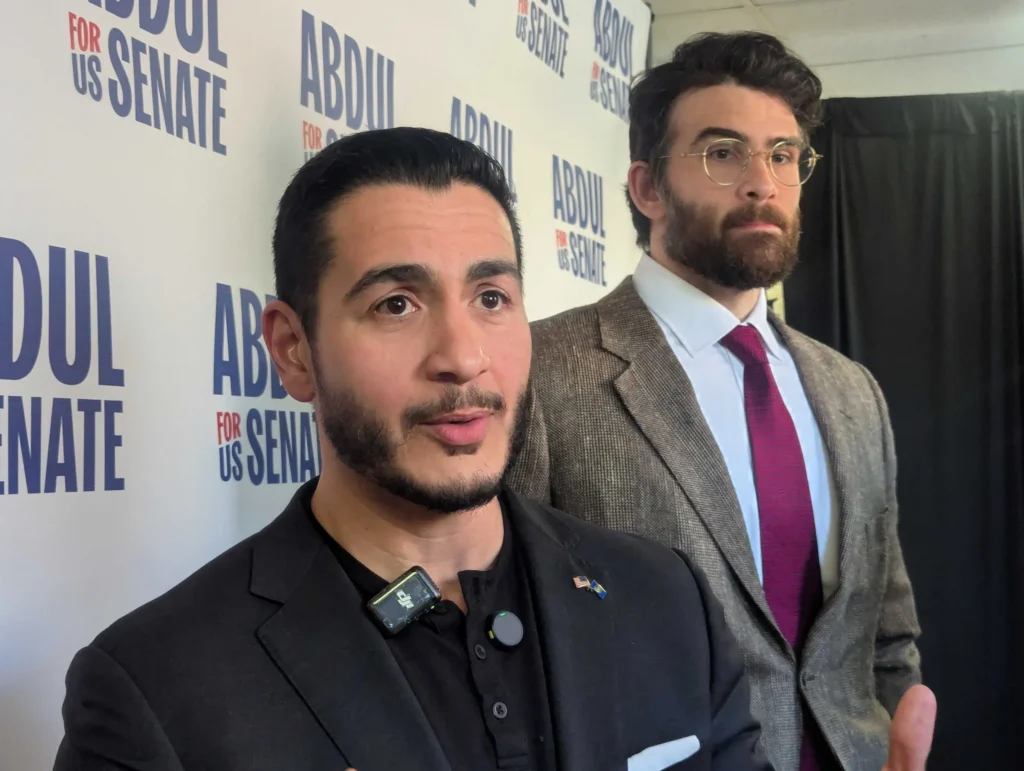
For conservatives watching from Nevada and elsewhere, the Michigan primary is a reminder that the Democratic Party’s center of gravity continues to move left on healthcare, immigration enforcement, taxation, and foreign policy. Whether that shift produces governing majorities or further alienates swing voters remains the central question of the 2026 midterms. El-Sayed’s narrow victory has now made Michigan the highest-profile test of that proposition.
About the Author