The scandal-plagued U.S. Agency for International Development is back in the headlines for all the wrong reasons. In late November 2026, the Trump administration relaunched USAID.gov with a trove of 248 internal files—emails, memos, presentations, and chat logs—detailing how the agency operated under the Biden administration. The site now states plainly that USAID “was weaponized to advance a radical agenda fundamentally at odds with American values.”
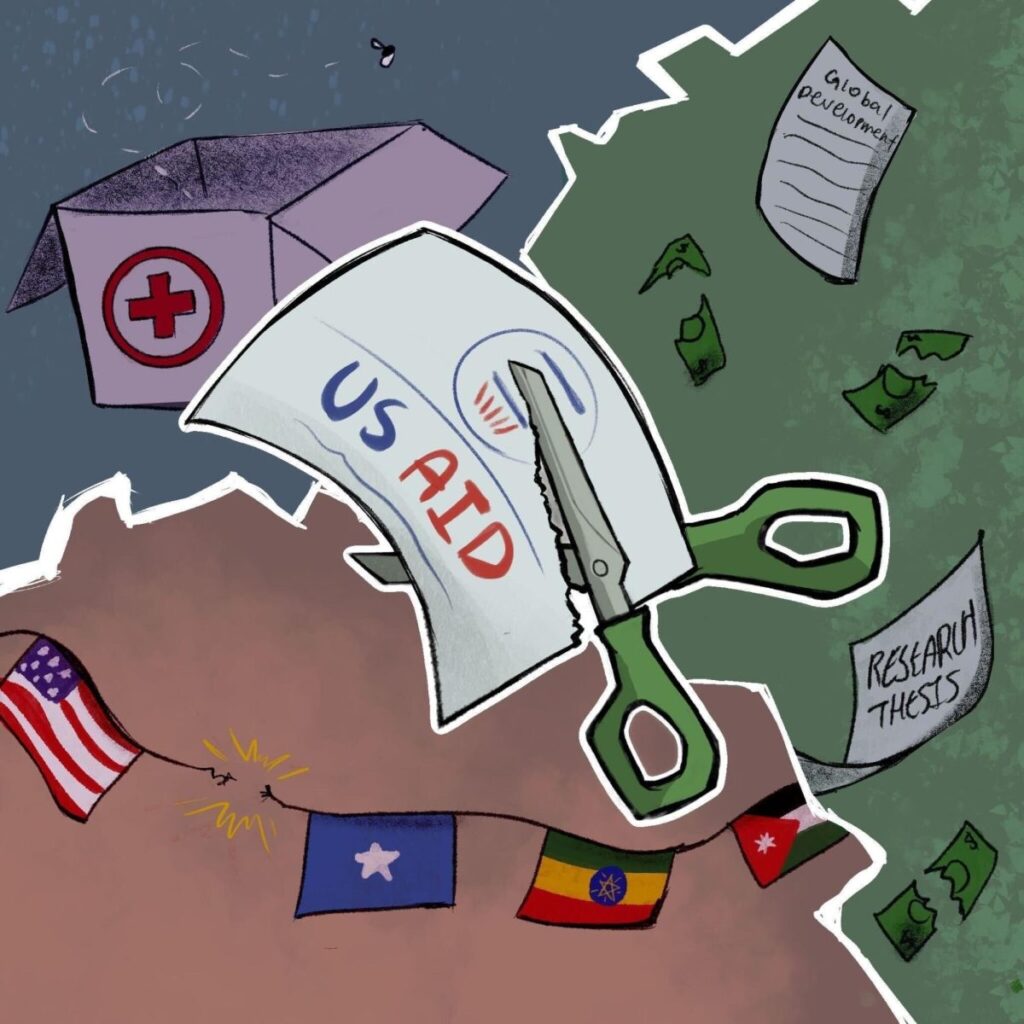
These documents, announced by DOGE operative Edward Coristine, focus heavily on the agency’s work combating “misinformation” and “disinformation,” plus its contacts with social media platforms. They paint a picture of a foreign-aid bureaucracy that spent vast sums shaping narratives, training and supporting thousands of journalists, and working with Big Tech to flag, demote, or remove content—often with careful legal cover to avoid scrutiny.
Censorship by Proxy and “Defund, Downrank, Deplatform”
Internal communications show USAID officials emailing Meta/Facebook contacts to request investigations and removals of posts they viewed as threats to partners or judges abroad, including in Guatemala. Meta acted on at least one. Staffers discussed expanding the agency’s role in platforms’ “Trusted Partners” and “Trusted Flagger” programs—fast lanes for reporting content.
A USAID-funded nonprofit, Internews, confirmed in writing that the agency was funding staff around the world (including in roughly 20 countries) to flag issues to platforms. YouTube itself sought lists of local groups for its flagger program. Officials took precautions: lawyers reviewed talking points, meetings were kept low-profile or off paper trails where possible, and staff were advised to have partners deal directly with tech companies amid the Missouri v. Biden litigation over government pressure on platforms.
One standout is a 2022 pitch from the Global Disinformation Index (GDI). After an introduction from an intelligence official, USAID shared a list of 10 countries (including Moldova, Zambia, Armenia, and others). GDI proposed rating local news outlets for “disinformation risk” and then working with platforms to “defund,” “downrank,” and “deplatform” the highest-risk ones. Disinformation was framed broadly to include adversarial narratives that “delegitimize governments, principles, practices, and policies.” While the files do not confirm USAID funded that exact pilot, they show ongoing interest and prior meetings. GDI had already received State Department money and built ad-tech exclusion lists used by major companies.
Critics, including Sen. Eric Schmitt, have noted USAID’s role in the broader “censorship industrial complex” exposed in court cases. Mike Benz and others argue the agency effectively pressured U.S. platforms by leveraging foreign partners and laws. Defenders, including former Administrator Samantha Power, call the files a “baffling hodge-podge” of routine work countering Chinese and Russian influence or protecting partners from genuine threats. The documents themselves show officials discussing “justifying censorship” by framing it as countering foreign malign influence.
Paying Journalists and Building Media Networks Abroad
Americans are learning just how much of their tax money supported foreign media ecosystems. A 2023 USAID fact sheet (later taken offline) stated the agency funded training and support for more than 6,200 journalists, assisted 707 non-state news outlets, and backed 279 media-focused NGOs across more than 30 countries. Annual appropriations for “independent media and the free flow of information” ran in the $250–270 million range in recent years.
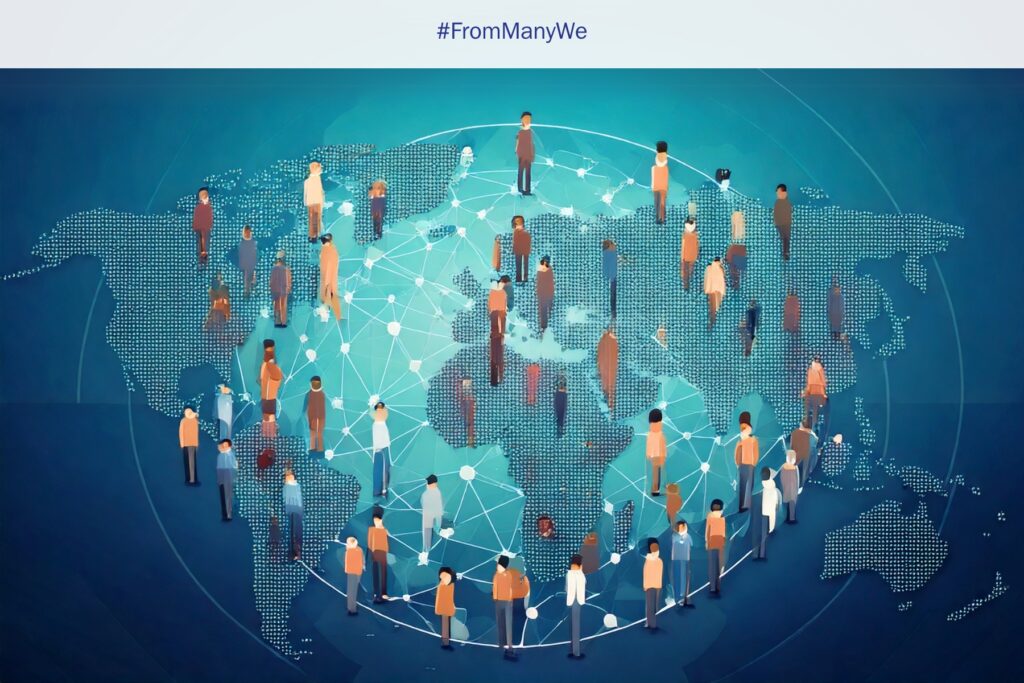
Internews Network alone received roughly $472–473 million from USAID over the years (the vast majority of its budget). It partnered with thousands of outlets, produced thousands of hours of programming reaching hundreds of millions of people, and trained over 9,000 journalists in a single recent year. Grants supported media programs in Ukraine (tens of millions for Russian-language content, Internews efforts, and “confidence building”), Eastern Europe, Latin America, Africa, and elsewhere—including journalist protection, media literacy via memes and influencers, and “alternative narratives.”
Lists circulating from the files highlight large line items: Ukraine media and disinformation programs in the tens of millions, a $300 million Countering Chinese Influence Fund, and numerous country-specific media grants through Internews, IREX, Freedom House, and others. Some programs involved Hollywood experts for government communications training or social media influencer work. Separate claims have circulated about funding reaching certain U.S. outlets; the core documented story is the massive foreign media apparatus.
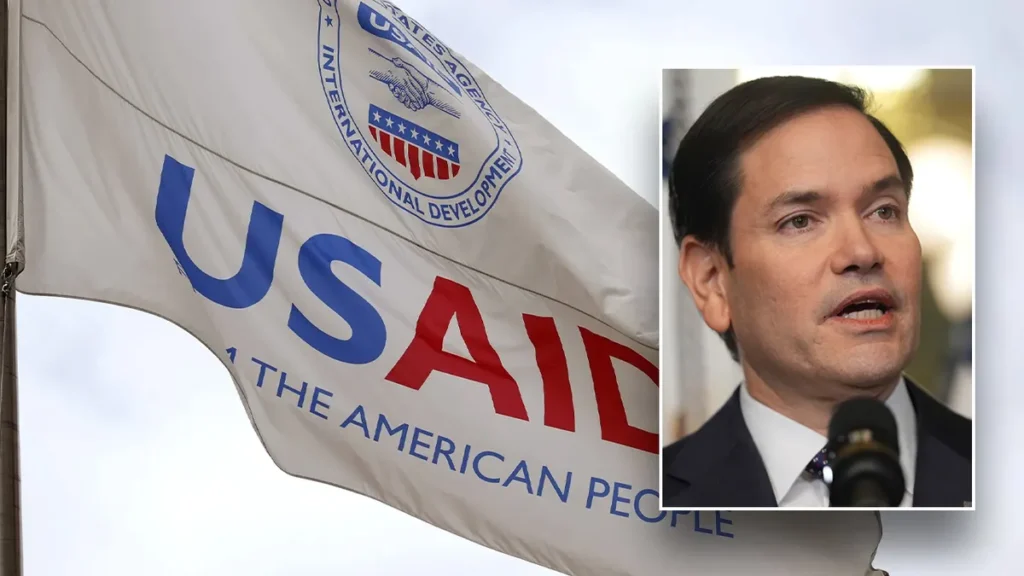
President Trump and others have long characterized portions of this as payoffs for favorable coverage. When DOGE and the administration froze and cut most USAID programs in early 2025 (merging remnants into the State Department), many of these outlets faced sudden budget shortfalls. Press-freedom groups decried the cuts; skeptics saw confirmation that large segments of “independent” media abroad were dependent on U.S. taxpayer dollars.
Waste, Fraud, and Surprising Priorities
The Inspector General continues to document classic problems: kickback schemes, diversion of medical commodities, fake invoices, sexual exploitation of beneficiaries, and misuse of government equipment. These cases span countries from Pakistan to Kenya to Colombia and involve both contractors and nonprofits. They underscore longstanding concerns about oversight in sprawling foreign-aid programs.
Beyond media and censorship, Americans have been surprised by the mix of priorities—programs that advanced specific political or cultural narratives, climate and gender initiatives layered into aid, and efforts that critics say targeted conservative or populist voices abroad (from Brazil to Hungary). The files and prior reporting show a bureaucracy that treated information control as a core tool of “democracy promotion.”
Samantha Power and aid advocates emphasize humanitarian results and congressional mandates. The released documents and funding data, however, show a parallel track of narrative management that many taxpayers never authorized and that clashes with First Amendment principles and America-First priorities.
The USAID experiment in using foreign aid as a global media and speech-shaping enterprise has been largely ended. The files now on the public record give Americans a clearer view of what their money bought. Accountability for the rest of the record—and for ensuring future assistance serves genuine U.S. interests rather than bureaucratic or ideological agendas—remains the task ahead.
About the Author