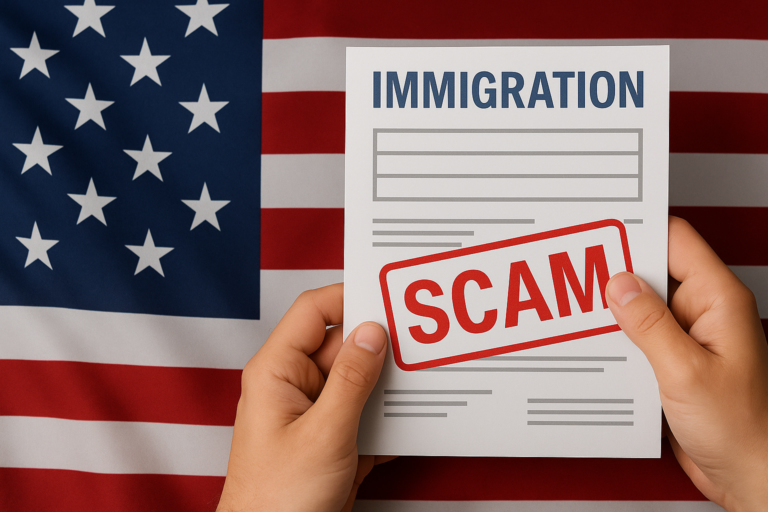
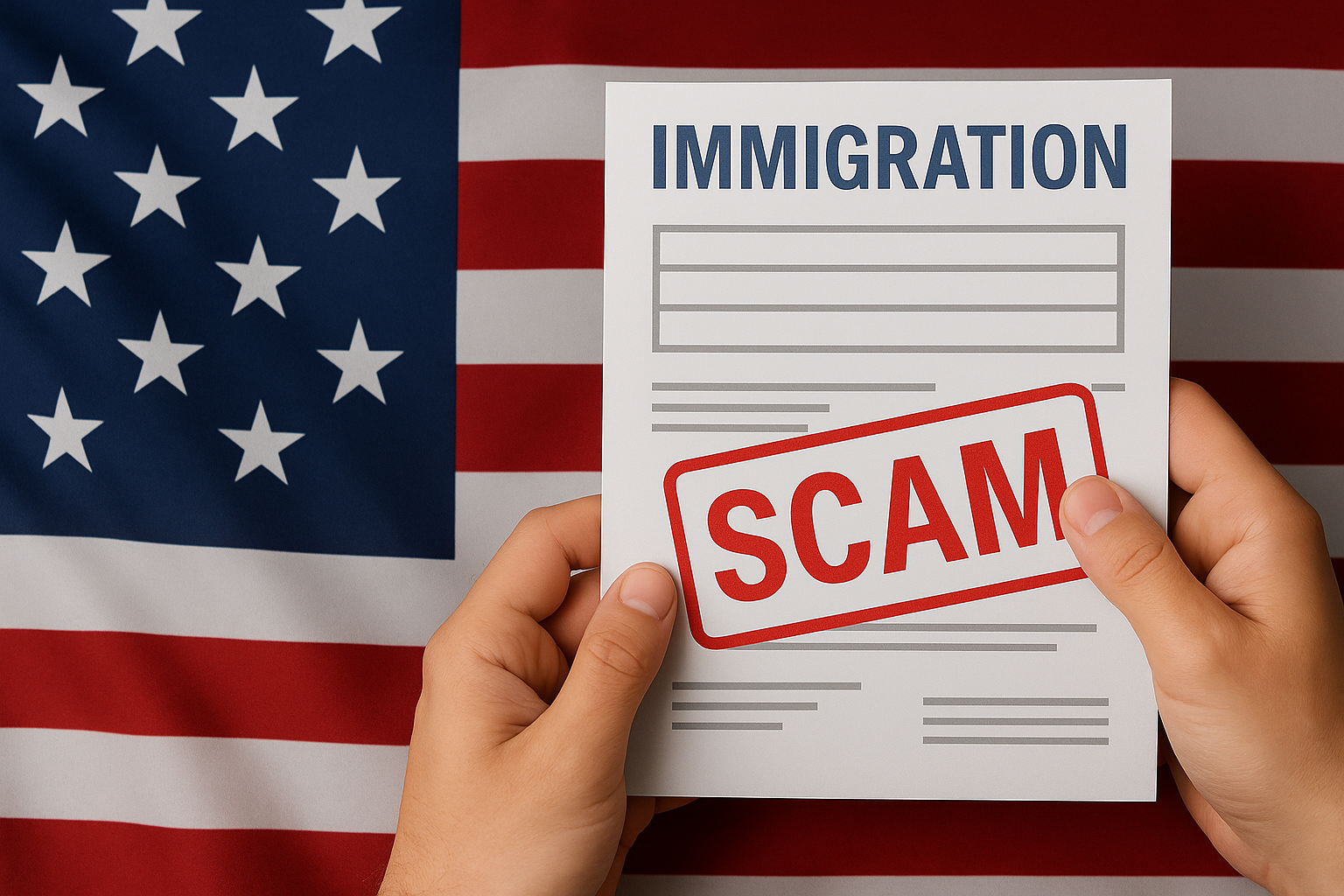
America’s immigration system is under siege not only by illegal border crossings but by increasingly brazen, inventive fraud schemes that turn legitimate protections into commodities for sale. Programs meant to aid genuine crime victims, battered spouses, trafficking survivors, and those facing real persecution are being systematically gamed. Federal prosecutions and investigations have exposed schemes that range from the theatrical to the cynical. Here are some of the most outlandish documented cases.
1. Hundreds of Staged Armed Robberies for U Visas
In one of the largest known schemes, Parth Nayi of Woodridge, Illinois, organized hundreds of fake armed robberies at coffee shops, restaurants, liquor stores, and gas stations across multiple states between 2022 and 2024. Thousands of participants paid him $5,000 to $30,000 each to pose as “victims,” then sought law-enforcement certification and filed fraudulent U-visa applications (intended for crime victims who assist police). One staged robbery at a Chicago liquor store turned real when a clerk was shot. Nayi was sentenced in October 2026 to two years in prison. Similar multi-state rings involving Indian nationals staging convenience-store robberies have been charged in Massachusetts and elsewhere.
2. Corrupt Police Chiefs Fabricating Reports for a Decade
In central Louisiana, four law-enforcement officers (including police chiefs) and a businessman ran a scheme for nearly ten years. Immigrants paid thousands for their names to be listed as “victims” of nonexistent armed robberies. The officers created and certified false police reports so applicants could obtain U visas. Bribes were involved; the scheme generated hundreds of fraudulent applications and has expanded into a nationwide investigation. Multiple defendants have pleaded guilty.
3. Massive Sham Marriage Rings Charging Tens of Thousands
Marriage fraud remains a classic, but the scale has grown. In Massachusetts, a ring allegedly arranged 18–20 sham marriages per year for over a decade, charging $38,000–$40,000 each; the leader reportedly earned millions and bragged about the state’s sanctuary policies. In New York, defendants were charged with orchestrating roughly 1,000 sham marriages, mostly for Chinese nationals who paid up to $100,000; U.S. citizens were paid as much as $30,000 and coached on staging photos, joint accounts, and interviews. Similar operations have targeted Brazilian and other nationals.
4. Coaching Clients to Fake Being Gay for Asylum
Asylum based on sexual orientation is legitimate for those facing real persecution, but it has been exploited. New York immigration attorneys pleaded guilty to advising clients (primarily from Russia and former Soviet states) to falsely claim they were gay or lesbian and had been persecuted, coaching them for interviews and inventing supporting affidavits. In individual cases, married men with children have claimed homosexuality in applications while living openly as heterosexual. UK investigations have uncovered networks selling staged photos, fake partners, and club memberships for similar claims; U.S. cases show the tactic is not unique to one country.
5. The “Lawyer of Miracles” Inventing Abuse and Trafficking Stories
Washington attorney Alexandra Lozano’s firm allegedly filed tens of thousands of humanitarian visa applications (VAWA, T visas, etc.) containing fabricated claims of domestic abuse or human trafficking—often without clients’ full knowledge. She is accused of outsourcing work overseas, copying signatures, and charging high fees while promising rapid results. Her signature appears on more than 53,000 pending cases; she surrendered her license amid lawsuits and bar investigations. Clients faced deportation risks after paying thousands.
6. Fake Law Firms Staging Sham Court Hearings
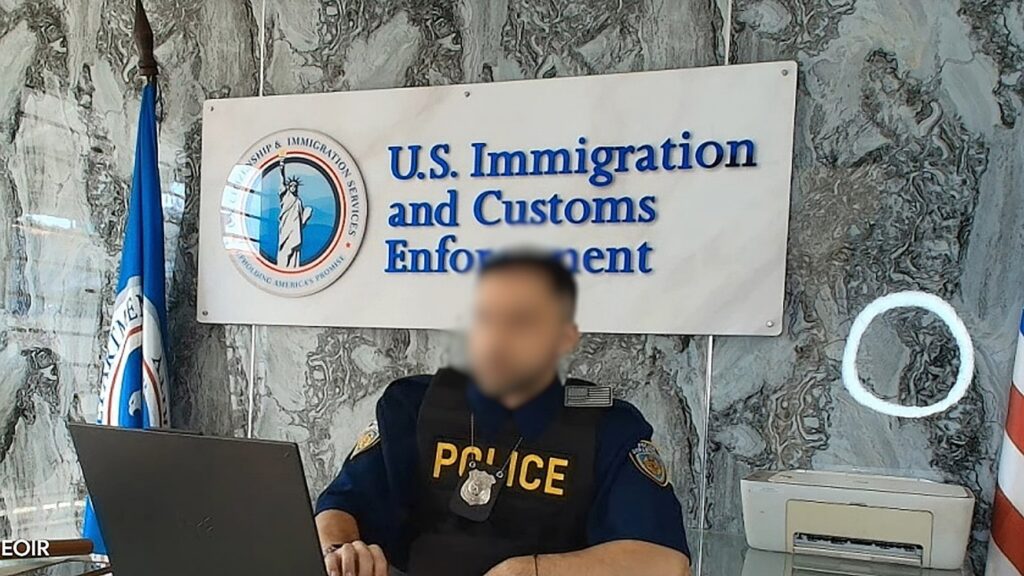
In New York, defendants posing as immigration lawyers operated a fictitious firm and held video “hearings” complete with actors in judicial robes and law-enforcement uniforms, government seals, and flags. Victims were told their cases were resolved, causing some to miss real court dates and at least one to be ordered deported. The scheme netted more than $100,000 before arrests.
7. Recycled Identical Persecution Narratives
A Colombian national pleaded guilty to preparing dozens of asylum applications by inventing and recycling nearly identical stories of political persecution, changing only minor details. He coached clients on what to say in interviews after charging fees for the fabricated claims.
8. Fake European Citizenship Claims and Alien Smuggling
Defendants charged in a multi-year conspiracy filed hundreds of fraudulent ESTA applications claiming Cuban nationals held European citizenship, using fake addresses and documents. The same network allegedly smuggled people, including unaccompanied minors told to pose as friends of unrelated adults, and operated a sham asylum business that churned out boilerplate claims.
9. Staging Offices and Fake Employment for L-1 Visas
Immigration service firms have created fake leases and staged offices to make it appear that clients had legitimate U.S. jobs waiting, supporting fraudulent L-1 intracompany transfer visas.
10. Notario Fraud and Impersonation Scams
“Notario” fraudsters (exploiting the Spanish-language meaning of the term) pose as lawyers and promise results they cannot deliver. Other schemes involve people impersonating DHS officers to demand payments, or promising “guaranteed” diversity visas or premium processing that does not exist. Complaints of immigration scams have risen sharply.

These cases are not isolated anecdotes. They reveal a marketplace in which criminal networks, opportunistic attorneys, and corrupt officials treat U visas, asylum, marriage-based green cards, and humanitarian protections as products. Each fraudulent approval consumes resources that could aid genuine victims, burdens local law enforcement with phantom crime statistics, and erodes public confidence in legal immigration.
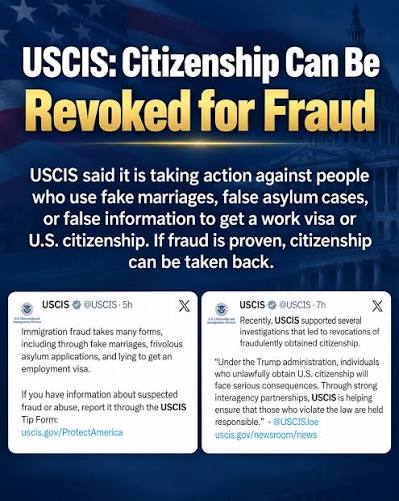
For a nation that remains the world’s best hope for ordered liberty and opportunity, the response must be vigorous enforcement, tighter verification of claims (especially those based on self-reported identity or uncorroborated narratives), and consequences that deter rather than merely fine the participants. The ingenuity of the fraud is real; so is the cost to the rule of law.
About the Author