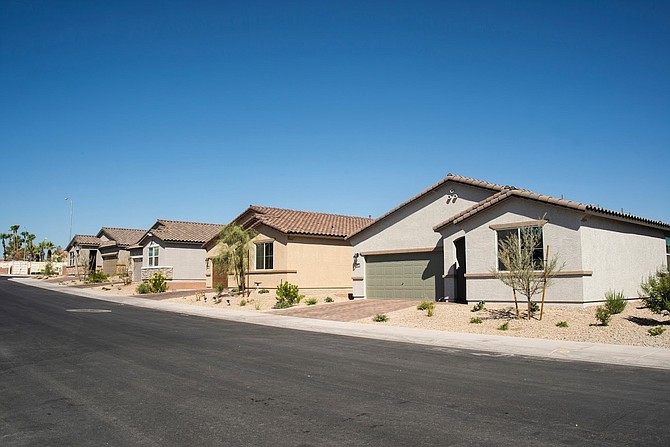
Las Vegas — A growing question among local homebuyers and renters alike is whether investors now own as much as one-quarter of the housing stock in the Las Vegas metropolitan area—and what that means for affordability, availability, and neighborhood stability.
An analysis reported by The Nevada Independent suggests the answer is more complicated than the headline—but investor ownership is undeniably a significant and growing presence in Southern Nevada’s housing market.
What Counts as “Investor-Owned”?
Investor-owned homes typically include:
- Properties held by corporations, LLCs, or trusts
- Single-family homes used as long-term rentals
- Homes purchased by out-of-state buyers who do not occupy them
Depending on how these categories are defined, estimates of investor ownership can vary widely. Some studies include small “mom-and-pop” landlords; others focus on large institutional buyers.
What the Data Shows
According to the reporting, investor ownership in the Las Vegas metro area likely falls below a full 25%, but remains higher than the national average. The region saw a surge in investor purchases following the Great Recession and again during the pandemic-era housing boom, when low interest rates and rising rents made single-family rentals especially attractive.
In some ZIP codes—particularly those with newer developments or entry-level homes—investor concentration is notably higher.
Why It Matters to Local Residents
For everyday Nevadans, increased investor ownership can have real consequences:
- Higher home prices, as investors compete with first-time buyers
- Fewer homes for owner-occupants, especially in affordable price ranges
- Rising rents, as demand outpaces supply
Longtime residents also worry about the impact on neighborhood cohesion when fewer homes are owner-occupied.
The Other Side of the Argument
Supporters of investor participation argue that rental homes are essential in a city with a transient workforce and that not all renters are in a position to buy. Small landlords, in particular, say they help meet demand without relying on large apartment complexes.
Still, critics point out that large institutional investors—not local landlords—have increasingly driven bulk purchases, sometimes buying dozens or hundreds of homes at a time.
A Policy Conversation Is Emerging
The growing role of investors has sparked discussion among Nevada lawmakers and local officials about:
- Transparency in home ownership
- Potential limits on bulk purchases
- Incentives for owner-occupied housing
So far, no sweeping restrictions have been enacted, but housing affordability remains a top concern statewide.
Bottom Line: While claims that one-quarter of Las Vegas homes are investor-owned may overstate the case, investor ownership is undeniably reshaping the local housing market. For families trying to buy their first home—or stay in one—the balance between investment and livability is becoming one of Southern Nevada’s most pressing challenges.
#TheNevadaConservative #TNC #Local #Housing #LasVegas #RealEstate #Nevada
About the Author












![flag_final[2]](http://thenevadaconservative.com/wp-content/uploads/2026/07/12112-150x150.jpg)



![flag_final[2]](http://thenevadaconservative.com/wp-content/uploads/2026/07/12112-768x536.jpg)