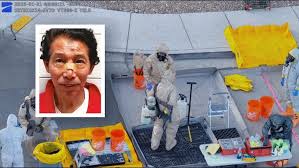
A recent FBI investigation into a suspected biological laboratory hidden in a northeast Las Vegas garage has raised serious concerns about unregulated storage of hazardous materials in residential neighborhoods, with ties to a prior illegal operation in California.
The raid occurred on January 31, 2026, when FBI agents and Las Vegas Metropolitan Police executed search warrants at homes in the Sunrise Manor area, focusing on a garage described as a “possible biological laboratory.” Authorities recovered over 1,200 samples, including human biological materials such as blood and urine, components for creating diagnostic test kits (like lateral-flow testing materials for COVID and pregnancy tests), compounds associated with Influenza A and B vaccines, and older influenza samples.
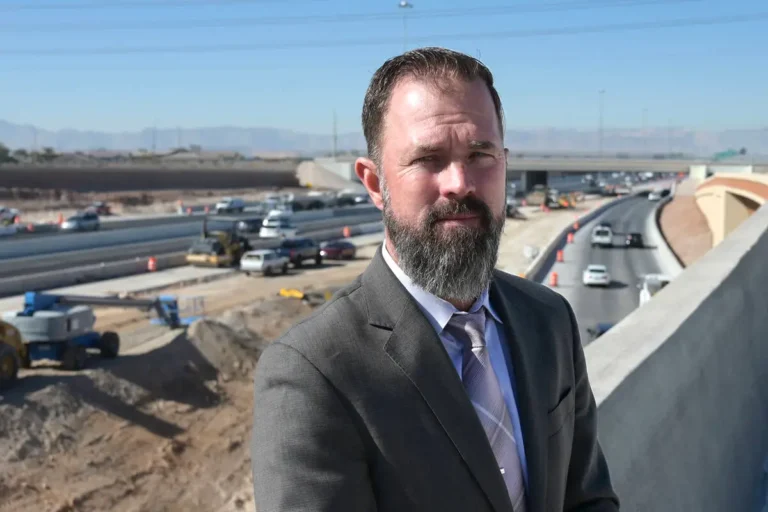
FBI Special Agent in Charge Christopher Delzotto, in an exclusive interview, emphasized that extensive laboratory analysis determined the contents posed no harm to the community. “It was the conclusion of the FBI lab that the community could not be harmed by what was contained in that lab,” Delzotto stated. He described the garage as a “bio-storage facility” holding remnants from the 2023 Reedley, California illegal lab investigation, with many samples degraded due to years of improper storage at room temperature.
The only individual charged in the Las Vegas case is 55-year-old Ori Solomon, the property manager, who faces a felony count for improper disposal of hazardous waste (hydrochloric acid) and a federal charge for illegal firearm possession as a non-immigrant visa holder from Israel. He was released on bond with restrictions, including surrendering his passport.
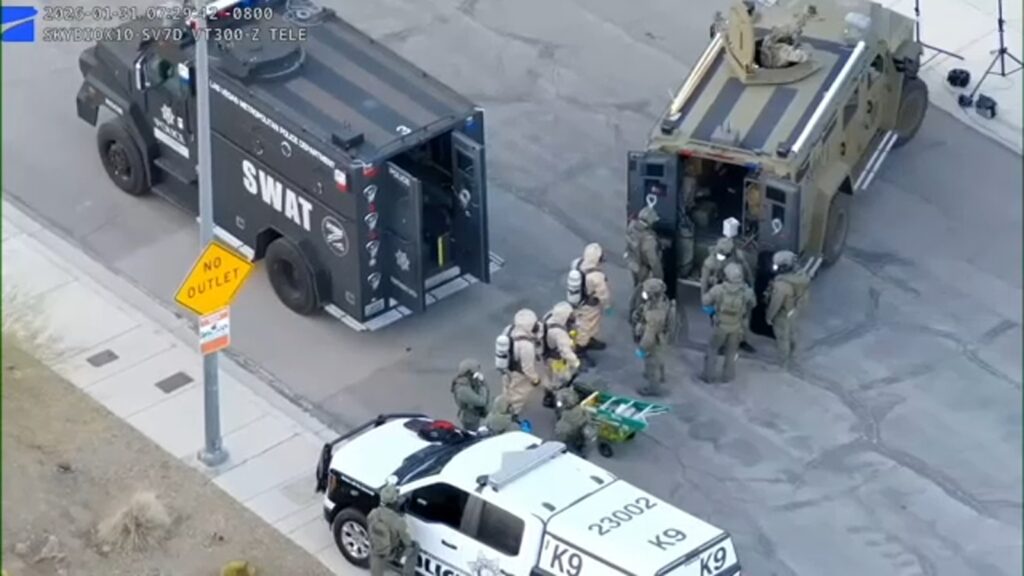
The property links to broader concerns through connections to David He, a Chinese citizen facing federal charges in California for manufacturing and distributing misbranded medical devices tied to the Reedley lab. That earlier operation involved infectious agents and raised alarms about foreign-linked activities bypassing U.S. oversight. While no direct evidence of active bioweapons or engineered pathogens emerged here—genetic sequencing confirmed the flu samples were neither new nor modified—the case highlights vulnerabilities in tracking biological materials.
This discovery, triggered by tips and reports of illnesses among individuals who entered the garage, underscores the need for stronger federal oversight of pathogen handling and transfers. Republican Congressman Kevin Kiley and others have introduced bipartisan legislation to enhance record-keeping and licensing requirements, ensuring such operations don’t endanger American families.

In a nation that prizes life, liberty, and the safety of its citizens, incidents like this demand accountability and vigilance. Our communities deserve protection from unregulated risks, especially when foreign ties and lax enforcement could compromise public health. America remains the world’s greatest hope precisely because we confront threats head-on and uphold the rule of law.
About the Author


![flag_final[2]](http://thenevadaconservative.com/wp-content/uploads/2026/07/12112-150x150.jpg)