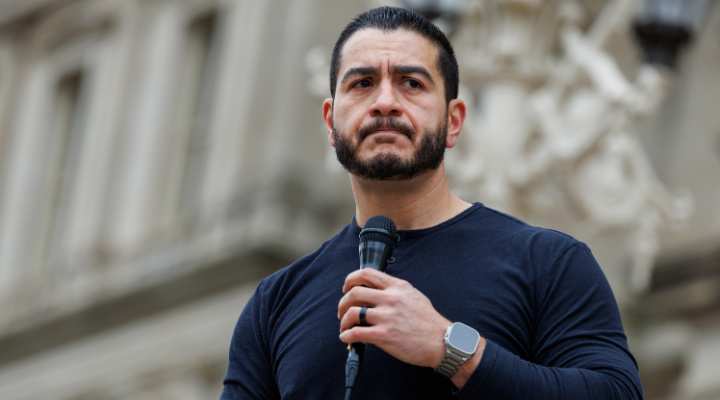
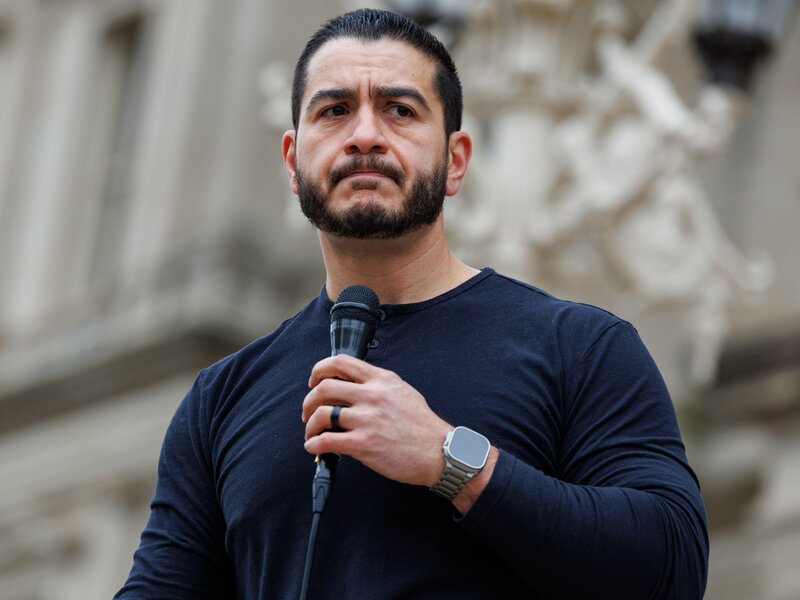
A Washington Free Beacon investigation has pulled back the curtain on Michigan Democratic Senate candidate Abdul El-Sayed, revealing he listed dual U.S.-Egyptian citizenship on his professional résumé for years while building an academic career at Columbia University. His campaign now dismisses it as a simple “mistake” based on family lore. For conservatives who value American sovereignty and undivided loyalty, the explanation strains credibility — especially when paired with his radical progressive agenda and personal background.
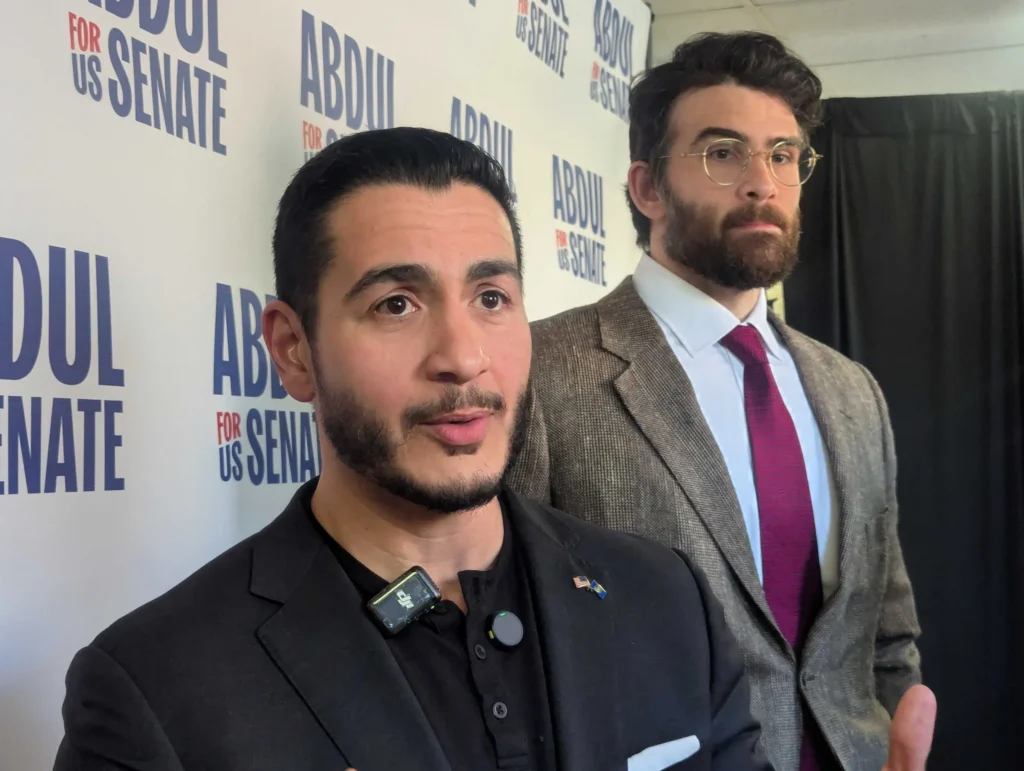
El-Sayed, a native-born American born in 1984 in the Detroit area to Egyptian immigrant parents, rose as a progressive star. He served as Detroit’s health director, ran unsuccessfully for governor in 2018 as a Bernie Sanders-backed candidate, and now leads elements of the Democratic primary for Michigan’s open U.S. Senate seat in 2026. He presents himself as a physician, public health expert, and champion against “corporate power.”
The Citizenship Controversy
Around 2014, as El-Sayed joined Columbia’s Mailman School of Public Health faculty after graduating from its medical school, his résumé on the academic networking site Academia.edu explicitly listed his “citizenships” as “USA, Egypt.” The document remained public for over a decade until investigative reporters confronted his campaign in January 2026. The résumé was quickly removed.
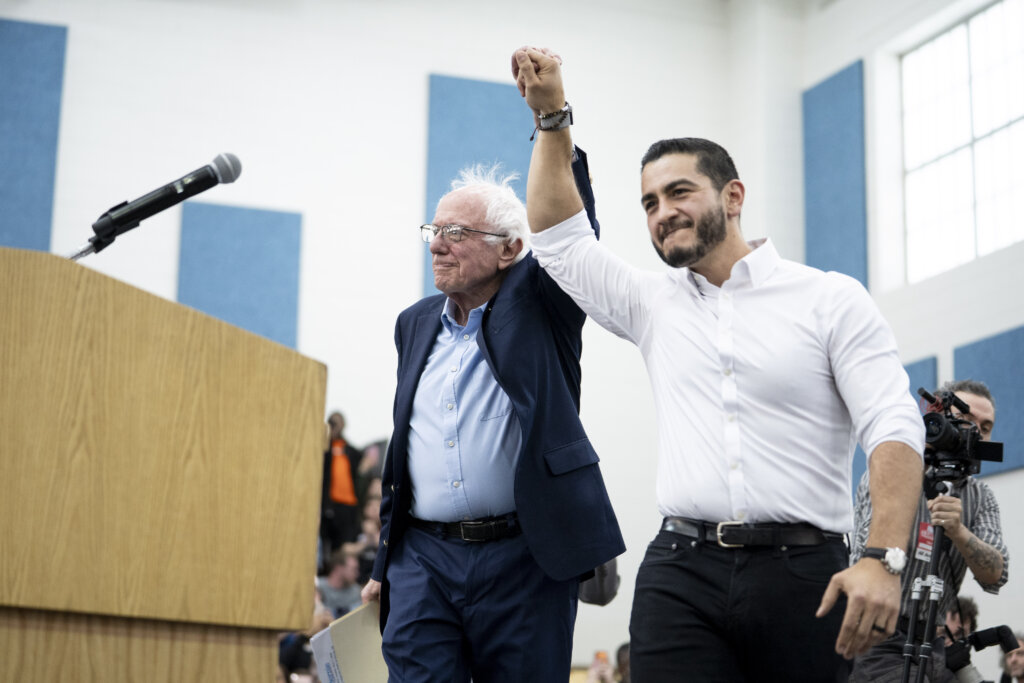
His campaign spokesperson claimed El-Sayed was told as a child — secondhand from family — that his grandfather had secured Egyptian citizenship for him because his parents were born in Egypt. They say he later found no documentation and concluded it was never true. “Abdul is not a dual citizen by any verifiable metric and never has been,” the spokesperson stated.
Skeptics note El-Sayed spent multiple summers in Egypt as a teenager visiting family, traveled there alone, and even protested Hosni Mubarak during one visit (showing his American passport when confronted by police). As a frequent traveler, he would have navigated Egypt’s visa process repeatedly as a U.S. citizen. An educated adult pursuing a high-profile academic post listing dual citizenship for professional purposes raises legitimate questions about intent versus innocent error.
Family Background and Faith
El-Sayed is a devout Muslim who has said his faith “animates everything I do.” His wife, Dr. Sarah Jukaku, a psychiatrist, comes from a Pakistani Muslim background. The couple married in 2006 following traditional practices common in Arab and Indo-Pakistani Muslim cultures, including a two-step process where they did not initially live together. She, like her husband, graduated from Columbia’s medical programs.

This is not casual cultural heritage. El-Sayed’s identity as a Muslim of Egyptian descent is central to his public persona. In past campaigns, he faced direct questions about Sharia law and Islamist influence. He has consistently denied any desire to impose Islamic law in America and affirms belief in separation of mosque and state. Yet his record shows sympathy for Islamist causes that many conservatives view as incompatible with Western liberal democracy.
Islamist Sympathies and Radical Left Politics
In 2011-2012 writings and statements, El-Sayed criticized President Obama for not moving faster against Egyptian leader Hosni Mubarak and downplayed the threat of a Muslim Brotherhood takeover. He signed onto statements defending the Brotherhood’s rule and Mohammed Morsi’s power grab — moves that consolidated Islamist control before the Egyptian military intervened. Concerns from Americans about the Brotherhood’s documented goal of implementing Sharia were, in his view, often rooted in bigotry.
On the domestic front, El-Sayed runs as a far-left populist. He pushes Medicare for All, getting “money out of politics,” and has aligned with Democratic Socialists of America events and figures. He has described America’s political system as afflicted by a “terrible disease” requiring radical cure. His foreign policy tilts sharply against traditional U.S. alliances, with strong criticism of Israel and characterizations of Gaza operations as “genocide.” In 2026 campaign contexts, leaked audio showed his team navigating sensitive issues involving Iranian leadership deaths by pivoting quickly to domestic attacks rather than clear condemnation.
These positions go far beyond mainstream liberalism. They represent a worldview that sees America not as an exceptional beacon of freedom and opportunity — the last best hope for the world, as our audience understands — but as a flawed system needing fundamental transformation in economics, culture, and foreign policy.
Is the Suspicion a Stretch?
Given the decade-long dual citizenship listing now waved away as family misinformation, a wife from a practicing Pakistani Muslim background, open sympathy for the Muslim Brotherhood during its Egyptian power grab, and an economic and foreign policy agenda that aligns with the hard left’s desire to remake the United States, the concern is not a stretch. It fits a recognizable pattern: identity-driven politics fused with radical redistribution and weakened national sovereignty.
Conservatives rightly ask: Does this candidate see America as worth preserving in its constitutional, faith-friendly, pro-family, pro-life form — or as raw material for a different vision? El-Sayed’s defenders will cry Islamophobia or racism. But asking hard questions about loyalty, divided identities, and transformative agendas is not bigotry. It is basic citizenship vigilance.
Michigan voters — and Americans watching national races — deserve full transparency. A “clerical error” that conveniently enhanced an academic profile for over ten years, combined with the rest of the record, merits more than a shrug. America remains the world’s best hope precisely because we demand leaders whose primary allegiance is to her founding principles, not imported ideologies or revisionist utopias.
About the Author