
March 1, 2026
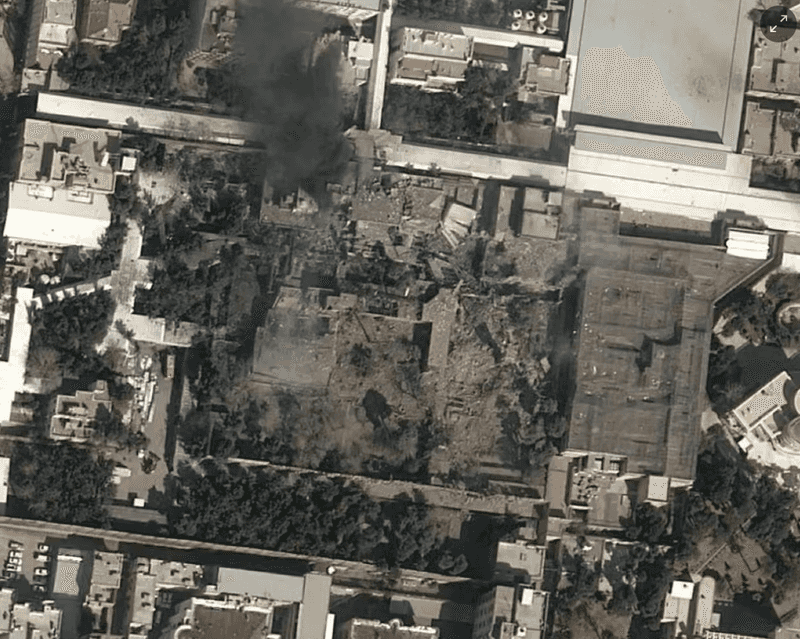
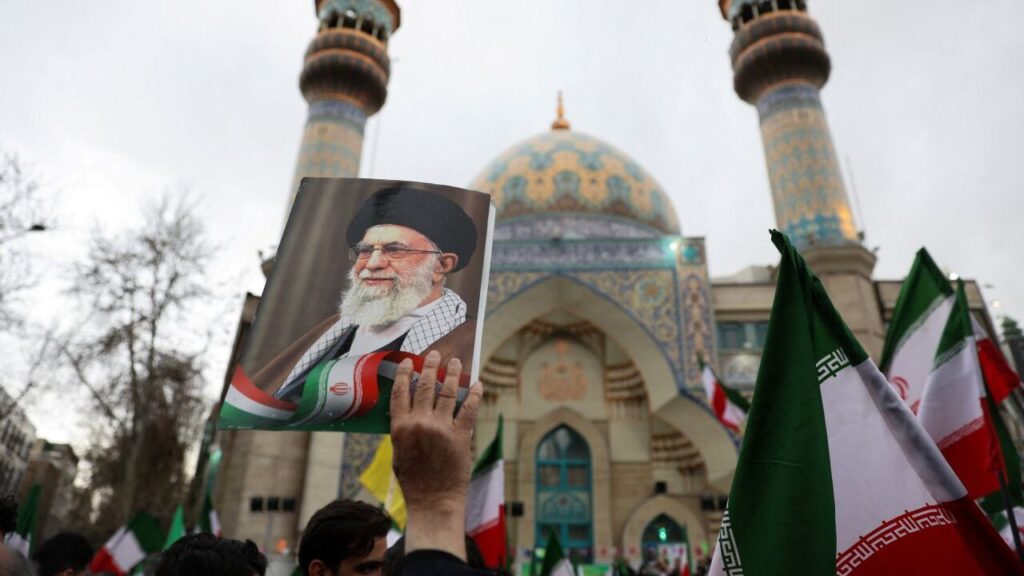
In the early hours of February 28, 2026, the United States and Israel launched a coordinated military offensive against Iran, dubbed Operation Epic Fury by U.S. forces and Operation Roaring Lion by Israel. This operation, described by U.S. President Donald Trump as a “massive and ongoing” campaign, represents the most significant joint U.S.-Israeli military action in history and the largest American-led war effort since Operation Desert Storm in 1991. The strikes targeted Iran’s nuclear facilities, missile production sites, military installations, naval assets, government ministries, and senior regime leadership, including the assassination of Supreme Leader Ayatollah Ali Khamenei. As of March 1, the conflict has entered its second day, with Iran retaliating through missile and drone attacks on U.S. bases, Israeli cities, and allied Gulf states, resulting in the first confirmed U.S. combat deaths: three service members killed and five seriously wounded.
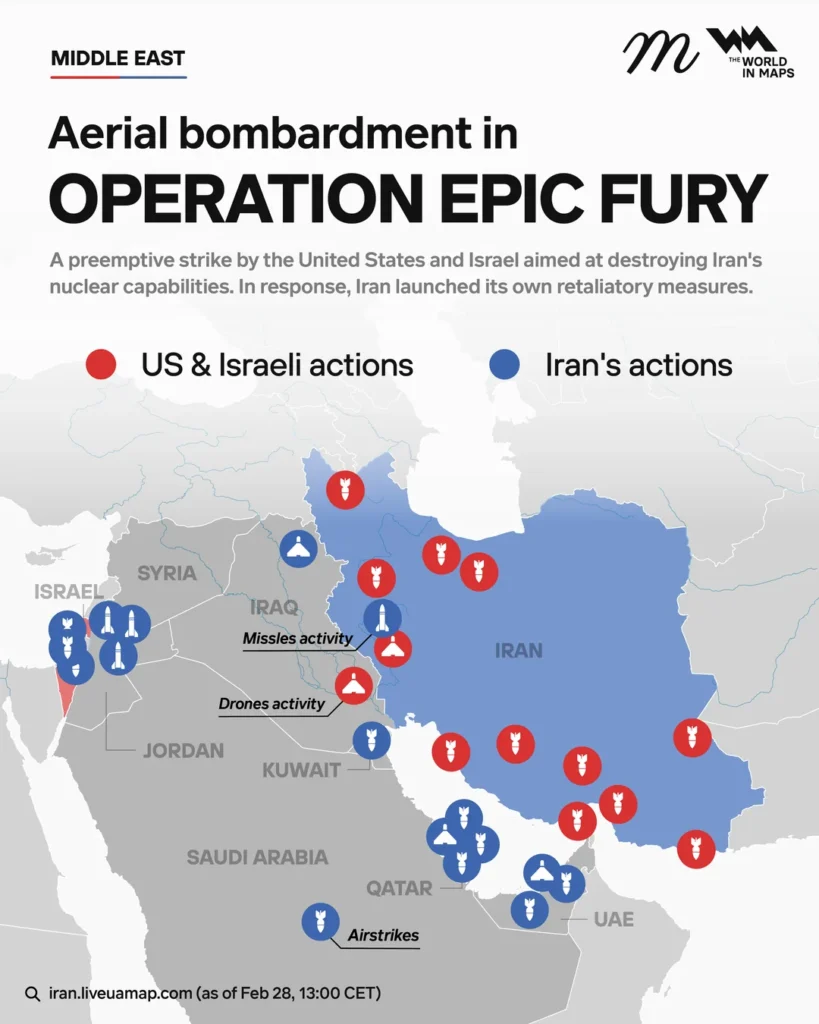
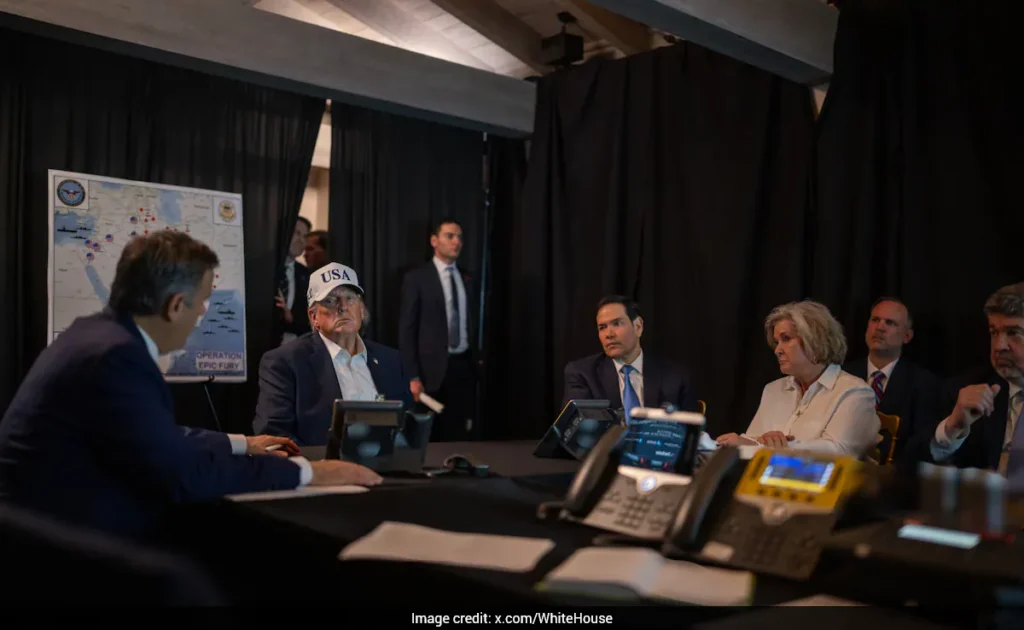
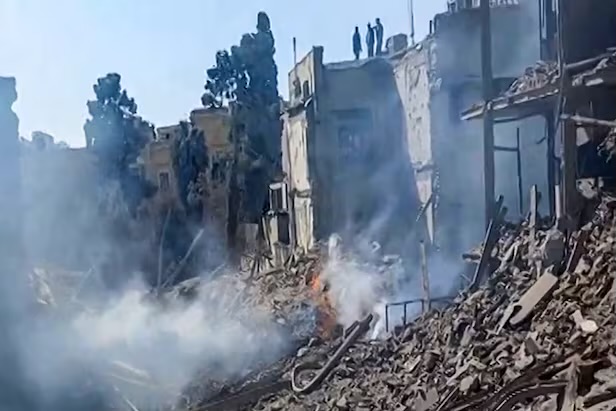
The operation has already claimed significant casualties on all sides. Iranian state media reported dozens of deaths, including high-ranking officials such as IRGC Commander Major General Mohammad Pakpour and Defense Minister Brigadier General Aziz Nasir Zadeh. On the Israeli side, Iranian missile strikes have killed at least eight civilians in Beit Shemesh near Jerusalem, with reports of ongoing barrages forcing much of the country into shelters. Explosions have rocked Tehran, and plumes of smoke have been visible over residential areas, while U.S. naval forces in the Persian Gulf have sunk Iranian vessels, including a Jamaran-class corvette. President Trump outlined the objectives in a TruthSocial address: preventing Iran from acquiring nuclear weapons, destroying its missile arsenal, degrading its proxy networks, annihilating its navy, and encouraging internal regime change.
What Led to the Assault: A Timeline of Escalating Tensions
The roots of Operation Epic Fury trace back to decades of animosity between Iran, the U.S., and Israel, centered on Iran’s nuclear ambitions, support for militant proxies, and regional power struggles. Iran’s nuclear program has been a flashpoint since the early 2000s, with the U.S. and Israel accusing Tehran of pursuing nuclear weapons under the guise of civilian energy development. The 2015 Joint Comprehensive Plan of Action (JCPOA), negotiated under President Obama, aimed to curb Iran’s program in exchange for sanctions relief, but President Trump withdrew from the deal in 2018, reimposing “maximum pressure” sanctions.
Tensions escalated in 2024-2025 amid the Israel-Hamas war and subsequent conflicts with Hezbollah and the Houthis, all backed by Iran. Iran provided munitions to Hamas and Palestinian Islamic Jihad, while its proxies ramped up attacks on U.S. and Israeli targets. In June 2025, Israel conducted limited strikes on Iranian nuclear sites during the “Twelve-Day War,” prompting Iranian missile retaliation. By early 2026, negotiations in Geneva failed to yield concessions from Iran on its uranium enrichment, which the International Atomic Energy Agency declared in violation of non-proliferation obligations for the first time in two decades. U.S. officials described the talks as a “nothing burger,” paving the way for military action.
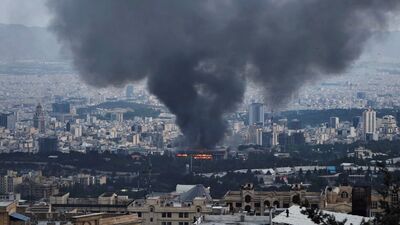
The U.S. buildup included deploying the USS Gerald R. Ford carrier strike group and squadrons of F-35 and F-22 jets to allied bases. Israeli Prime Minister Benjamin Netanyahu framed the strikes as a “last-resort effort” to eliminate Iran’s nuclear threat, while Trump signaled openness to regime change. Middle East sources indicated the operation was “inevitable” by late January 2026, with final preparations in the weeks leading up to February 28.
Iran’s Attacks on Americans: A Pattern of Aggression
Iran has a long history of direct and indirect attacks on U.S. personnel, often through proxies or ballistic missiles. Notable incidents include:
• 1983 Beirut Bombing: Iran-backed Hezbollah detonated a truck bomb at the U.S. Marine barracks in Lebanon, killing 220 Marines and 21 other service members.
• 2003-2011 Iraq Insurgency: Iranian-backed militias killed at least 603 U.S. troops using explosively formed penetrators (EFPs) and improvised explosive devices (IEDs).
• January 2007 Karbala Attack: IRGC Quds Force operatives, disguised as U.S. soldiers, killed five American troops in Iraq.
• January 2020 Missile Strike: Following the U.S. killing of General Qassem Soleimani, Iran fired ballistic missiles at Ain al-Asad airbase in Iraq, causing over 100 U.S. troops to suffer traumatic brain injuries.
• Current Conflict: In retaliation for Operation Epic Fury, Iran has targeted U.S. bases in Qatar, Kuwait, the UAE, and Bahrain, killing three service members and wounding five.
Attacks on Israelis: Direct and Proxy Warfare
Iran’s antagonism toward Israel has manifested in missile barrages, assassinations, and support for anti-Israel groups:
• Hezbollah Conflicts: Iran has armed and funded Hezbollah, leading to the 2006 Lebanon War, where thousands of rockets were fired at Israeli cities.
• 2024-2025 Escalations: During the Gaza conflict, Iran supplied weapons to Hamas, resulting in attacks that killed Israelis. In October 2024, Iran launched 180 ballistic missiles at Israel after the killings of Hamas and Hezbollah leaders.
• Current Strikes: Iranian missiles have hit Israeli cities, killing at least eight in Beit Shemesh and causing widespread damage. Over 170 ballistic missiles targeted Israel in the initial retaliation.
Proxy Attacks: Iran’s “Axis of Resistance”
Iran’s use of proxies amplifies its reach, targeting U.S., Israeli, and allied interests:
• Hezbollah in Lebanon: Responsible for the 1983 U.S. embassy bombing in Beirut and ongoing border skirmishes with Israel.
• Houthis in Yemen: Attacked Saudi oil facilities in 2019 with Iranian-backed drones and missiles; resumed Red Sea shipping attacks in 2023-2024.
• Iraqi Militias: Groups like Kataib Hezbollah have conducted over 200 attacks on U.S. targets since October 2023, wounding personnel. In the current conflict, they vow to strike U.S. bases.
• Hamas and PIJ in Gaza: Iranian munitions fueled the October 2023 attack on Israel, killing over 1,200.
Global Reactions and the Path Ahead
The international community has reacted with alarm. European Commission President Ursula von der Leyen warned of escalation risks, while Arab states like Bahrain and the UAE condemned Iranian strikes on their soil. Analysts predict a prolonged conflict, with Iran vowing “harsh revenge” and proxies like the Houthis potentially joining. The operation’s success hinges on degrading Iran’s capabilities without sparking a wider war, but with oil shipments disrupted and civilian casualties mounting, the Middle East stands on the brink.
#TheNevadaConservative #OperationEpicFury #Iran #International #MiddleEast
About the Author