LAS VEGAS (TNVC News)– Just when Las Vegas families thought the epic drought gripping Southern Nevada couldn’t deliver more bad news, federal officials stepped in with an “emergency” plan that prioritizes one reservoir over another – and our backyard is taking the hit.
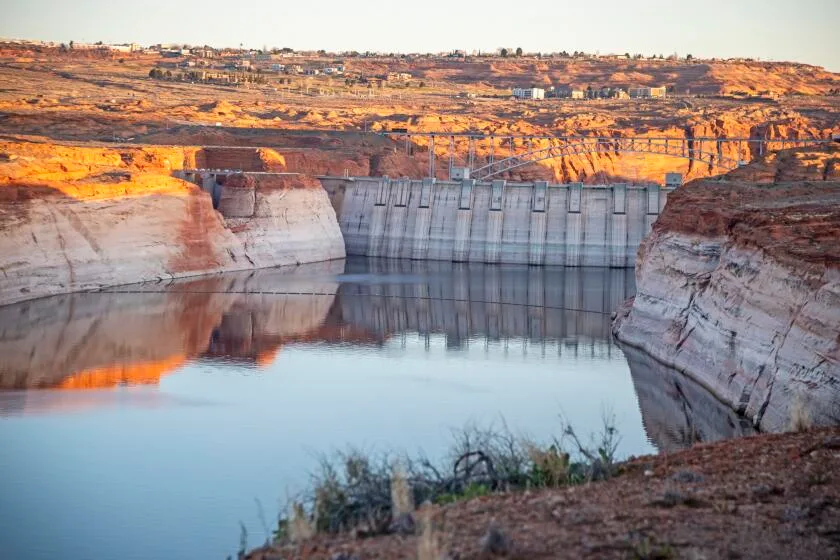
On Friday, the Bureau of Reclamation under the Trump administration announced it will move 660,000 to 1 million acre-feet of water from Utah’s Flaming Gorge Reservoir into Lake Powell to prevent that upstream reservoir from dropping too low and crippling Glen Canyon Dam’s ability to release water. At the same time, releases from Lake Powell into Lake Mead will be slashed by 1.48 million acre-feet – down to just 6 million acre-feet through September.
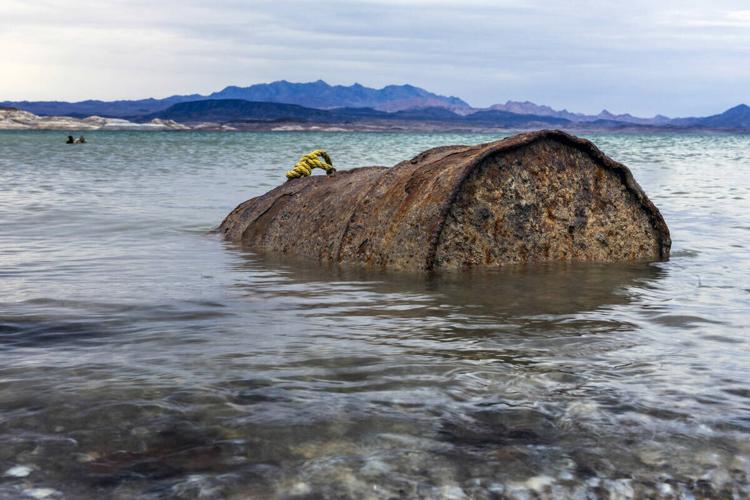
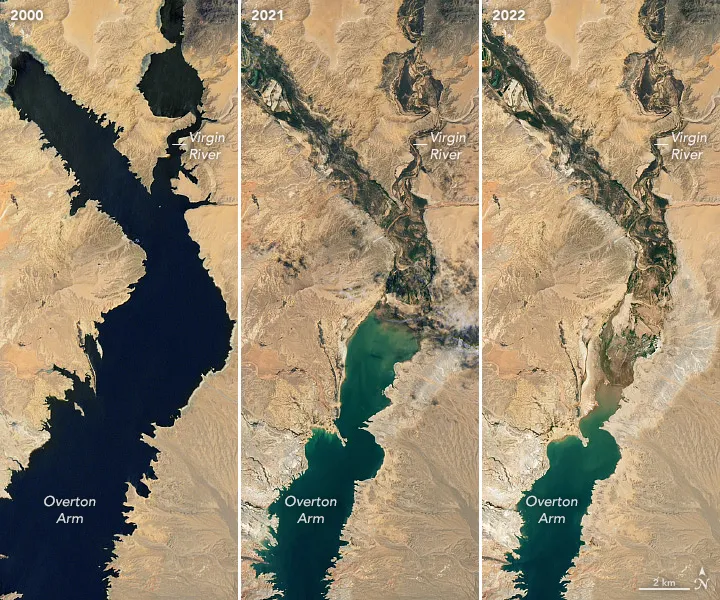
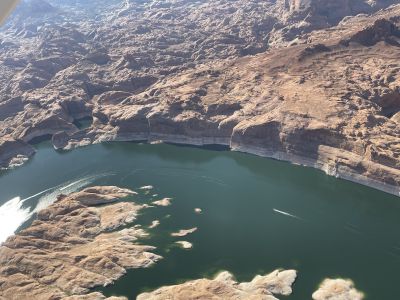
Lake Mead – Southern Nevada’s primary water source – already sits at a dismal 33% capacity and is projected to plunge below its 2022 all-time record low in the coming years. Current levels hover around 1,058–1,065 feet, more than 170 feet below full pool. The moves are designed to add roughly 54 feet to Lake Powell by April 2027, but they will accelerate the decline at Lake Mead, potentially cutting Hoover Dam’s hydropower capacity by up to 40% as early as this fall.
Interior Secretary Doug Burgum called it necessary cooperation after meetings with governors from the seven Colorado River Basin states: “I am grateful for the Governors and their teams working diligently to find a solution to the complex challenges created by these unprecedented drought conditions which require immediate action.”
But for hardworking Nevadans who have already slashed water use by 40% since 2002 while our population exploded by 55%, this feels like yet another top-down decision from Washington that asks the Lower Basin to bear the brunt. Southern Nevada recycles an impressive 85% of its wastewater – far ahead of states like Wyoming (3.3%), Utah (1%), and even California (22%). We’ve shown real conservation leadership rooted in responsibility and ingenuity, not endless federal mandates.
Critics rightly point out the gamble: one Nevada-based advocate called it the feds “choosing Lake Powell over Lake Mead.” Arizona officials are already assessing whether the reduced releases violate the 1922 Colorado River Compact. Meanwhile, boating ramps at Lake Mead National Recreation Area continue to be extended as shorelines recede, hitting tourism and recreation that support local jobs.
This isn’t just about numbers on a chart. It’s about families in Las Vegas, Henderson, and across Clark County who depend on reliable water for homes, businesses, and the American Dream we cherish. It’s about farmers, ranchers, and communities downstream who built lives trusting in the rule of law and the compact that was supposed to govern this mighty river.
True conservation – the kind that honors God’s creation and protects future generations – must be grounded in fairness, accountability, and living within our means. Nevada has done its part through innovation and sacrifice. It’s time for every basin state to step up with the same pro-family, pro-responsibility ethic instead of endless litigation or political gamesmanship.
The Colorado River Compact negotiations for post-2026 rules remain stalled, and short-term patches like this one only delay the reckoning. Our leaders in Carson City and Washington must fight for Nevada’s fair share while promoting practical solutions: smarter infrastructure, continued local conservation, and policies that reward efficiency rather than punish the states that have already tightened their belts.
Lake Mead’s struggle is a stark reminder that even in the land of opportunity, we cannot take God’s blessings – or sound resource management – for granted. Nevada Conservatives know the value of prudent stewardship. We pray for rain, wisdom in leadership, and the strength to protect what matters most for our children and our communities.
#TheNevadaConservative #TNVCNews #TNC #LakeMead #WaterCrisis #NevadaStrong

About the Author