
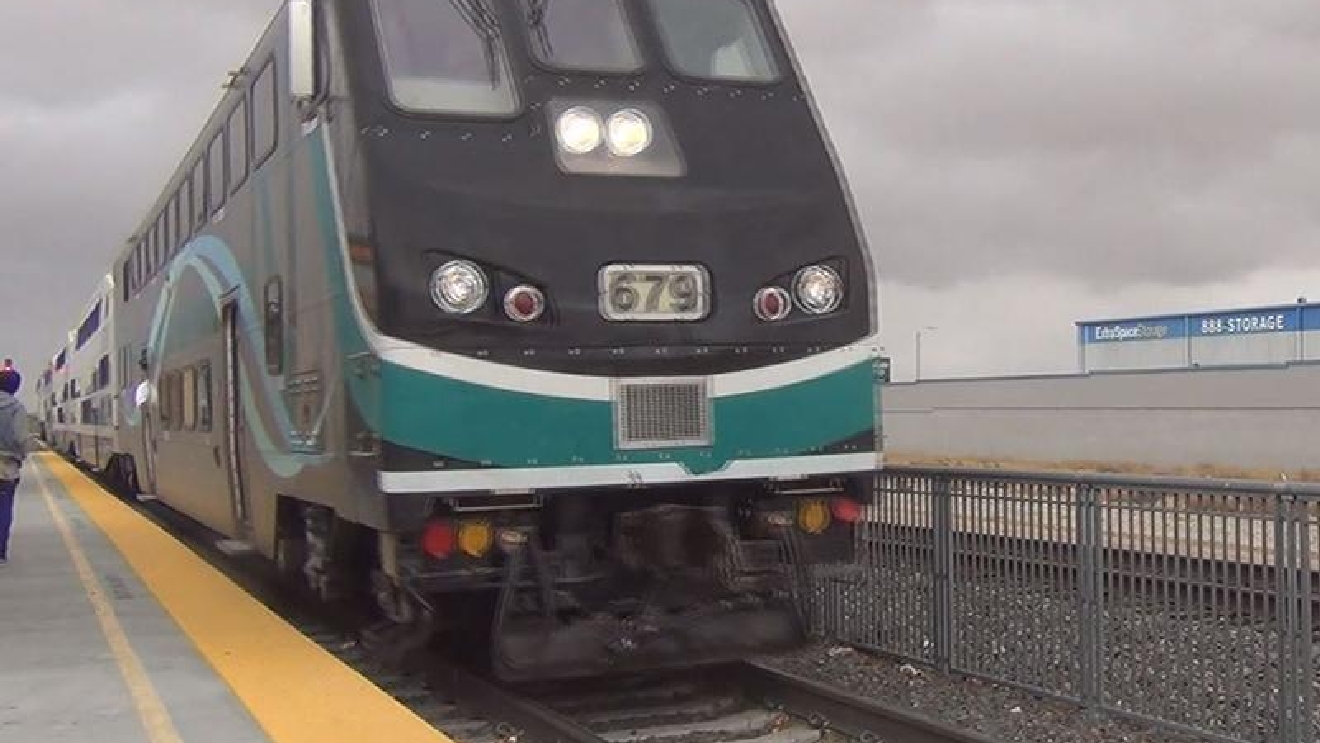
Nevada — A proposal quietly gaining attention in Carson City could mark a major shift in how Nevada approaches public transportation. Lawmakers and planners are discussing what would be the state’s first publicly financed rail transit system, with one primary purpose: transporting workers to and from the Tesla Gigafactory in Storey County.
According to reporting by Nevada Current, the concept would link population centers in Northern Nevada with the Tesla Gigafactory at the Tahoe-Reno Industrial Center—one of the largest industrial parks in the world and a major economic engine for the region.
Why Tesla Is Central to the Conversation
Tesla’s Gigafactory Nevada employs thousands of workers, many of whom commute long distances from Reno, Sparks, and surrounding communities. Traffic congestion, limited road access, and workforce growth have fueled interest in alternative transportation options.
Supporters argue a rail connection could:
- Reduce highway congestion
- Improve worker reliability and safety
- Support long-term economic development
- Strengthen Nevada’s appeal to large-scale manufacturers
In short, the argument is that infrastructure should follow jobs—especially jobs that have brought billions in investment to the state.
The Public Funding Question
What makes this proposal controversial is not rail itself, but who pays for it.
Nevada has historically avoided publicly financed rail transit, favoring highways and private-sector solutions. A state-backed rail system—even one serving a major employer—raises legitimate concerns among taxpayers.
Critics ask:
- Should public dollars subsidize transportation for a single corporation?
- What happens if Tesla scales back operations or relocates?
- Will everyday Nevadans ever use the system, or is it essentially a “company train”?
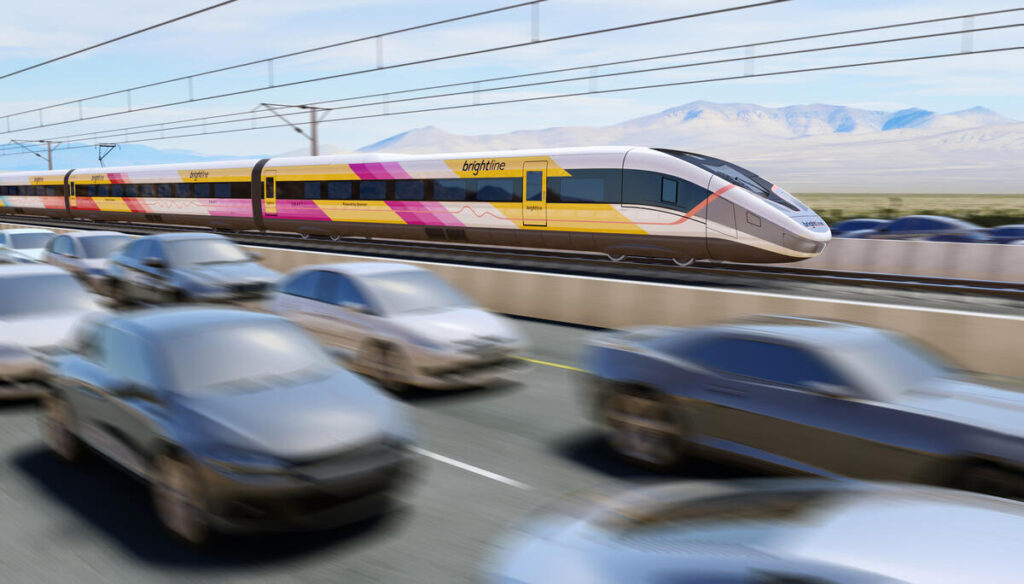
These questions echo past debates over public incentives offered to attract major employers—debates where Nevada has often walked a fine line between economic growth and taxpayer risk.
Supporters Say It’s Bigger Than One Company
Backers counter that while Tesla may be the anchor tenant, the rail line could eventually serve other employers, future industrial growth, and even broader commuter needs. They frame the project not as a Tesla perk, but as foundational infrastructure for a growing region.
Some lawmakers also argue that Nevada must modernize its transportation thinking if it wants to compete with other states aggressively courting advanced manufacturing and logistics hubs.
A Conservative Crossroads
For conservatives, the issue presents a familiar tension:
- Economic growth vs. government expansion
- Infrastructure investment vs. corporate favoritism
- Long-term planning vs. free-market solutions
Nevada’s identity has long been rooted in limited government and skepticism of large public projects. Whether this rail proposal fits within that tradition—or departs from it—will likely shape how it is received by voters.
Still Early, But Worth Watching
At this stage, the proposal remains conceptual. No final route, price tag, or funding mechanism has been approved. Legislative hearings, feasibility studies, and public input would all be required before any tracks are laid.
But the conversation itself is telling: Nevada is growing, industry is expanding, and the state is being forced to ask how much public involvement is appropriate when private success strains existing infrastructure.
Bottom Line: Nevada’s potential first publicly financed rail system—possibly built to serve Tesla workers—raises serious questions about the role of government, the use of taxpayer dollars, and how the state plans for growth. Whether this becomes a smart infrastructure investment or a step too far will depend on transparency, accountability, and who ultimately benefits.
#TheNevadaConservative #TNC #Local #Nevada #Tesla #Transportation #TaxpayerWatch
About the Author