

With Las Vegas continuing to experience unprecedented population growth, housing affordability remains one of Southern Nevada’s most pressing challenges. This week, state officials announced new funding awards aimed at expanding both market-level and low-income housing across Nevada—an effort supporters say is necessary to keep families from being priced out of their own communities.
The funding, administered through the Nevada Housing Division, is intended to support a mix of subsidized developments, including workforce housing and units reserved for low-income residents. State leaders argue the approach balances economic growth with social responsibility, particularly in fast-growing regions like Clark County.
Las Vegas has felt the strain acutely. An influx of new residents, limited housing supply, and years of elevated prices have pushed rents and home values well beyond what many working families can afford. Teachers, first responders, service workers, and young families increasingly find themselves competing for a shrinking pool of attainable housing.
Supporters of the funding say subsidized development can help bridge that gap—especially when paired with private-sector construction. However, critics caution that government-funded housing must be implemented carefully to avoid unintended consequences, including market distortion, neighborhood strain, or long-term taxpayer dependency.
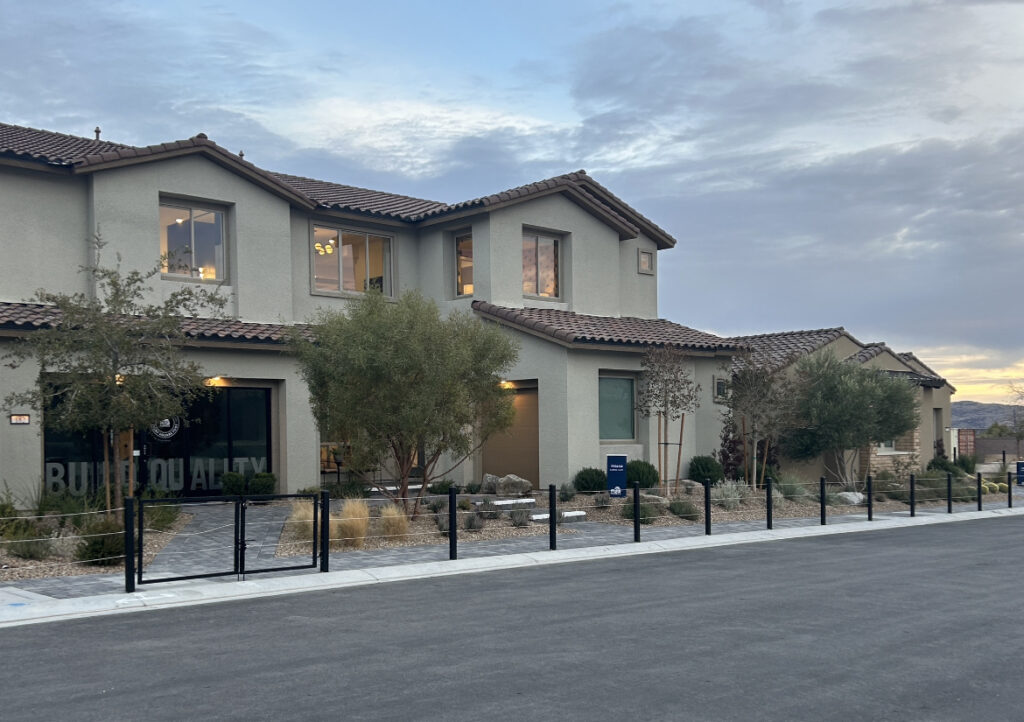
A recurring concern is whether subsidized housing truly addresses supply shortages or merely redistributes scarcity. Economists have long argued that affordability improves most sustainably when supply increases broadly—through streamlined permitting, reduced regulatory barriers, and incentives that encourage builders to construct entry-level and mid-range housing.
There are also questions of prioritization. Nevada has invested significant sums into housing initiatives over the past decade, yet affordability continues to worsen in many areas. That reality has fueled calls for greater transparency, clearer performance metrics, and stronger accountability to ensure funds produce measurable results rather than good intentions.
Local leaders emphasize that growth itself is not the problem. Las Vegas has always been a city of opportunity, built by newcomers chasing a better life. The challenge is ensuring that growth does not leave longtime residents behind or force working families into longer commutes, overcrowded living situations, or permanent rental dependence.
As Nevada moves forward with these housing investments, residents will be watching closely—not just to see projects announced, but to see homes actually built, neighborhoods strengthened, and affordability meaningfully improved.
In a city growing as fast as Las Vegas, housing policy must do more than spend money. It must deliver results.
About the Author