
For decades, the Super Bowl has been more than a football game. It has been America’s unofficial civic holiday—a shared cultural moment where politics paused, families gathered, and advertisers paid a king’s ransom for the privilege of being seen by nearly everyone at once. The NFL did not merely sell football; it sold unity.
But something remarkable happened this year.
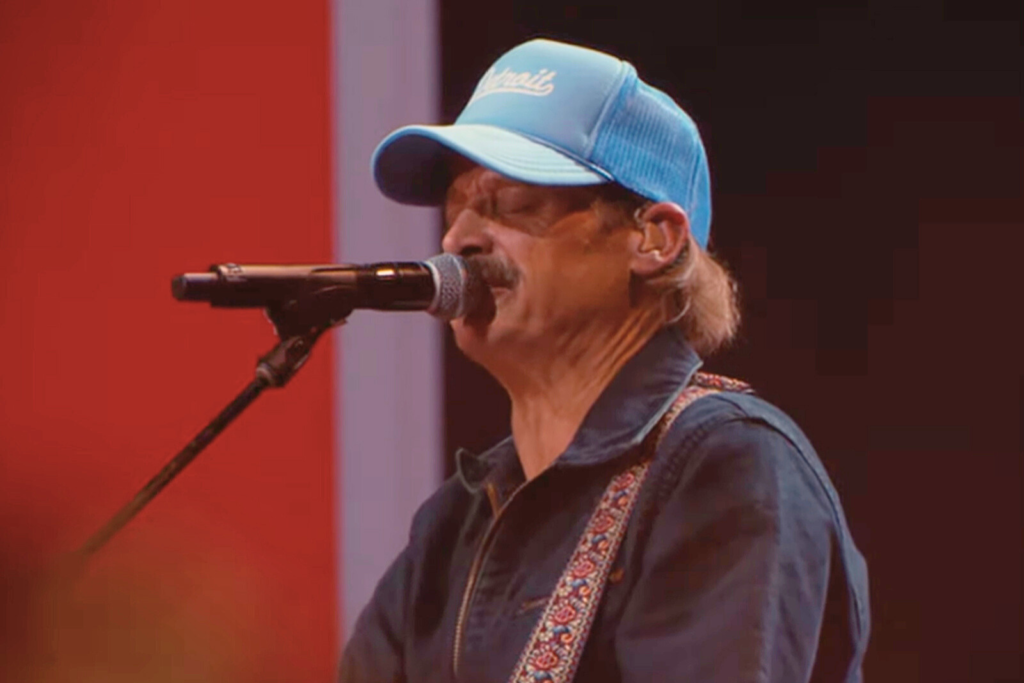
While the NFL rolled out its halftime spectacle—headlined by global pop star Bad Bunny—a far smaller organization, Turning Point USA, quietly staged an alternative: an online, values-driven “All-American Halftime Show.” No network deal. No billion-dollar league backing it. No legacy media amplification.
And yet—millions of viewers chose to leave the NFL broadcast and tune in elsewhere.
That moment should not be dismissed as a novelty or a political stunt. It was a market signal. A warning flare. And for advertisers, leagues, and cultural institutions that have assumed customer loyalty is permanent, it was something more troubling:
A reminder that loyalty must still be earned.
The Myth of the Captive Audience
For generations, advertisers believed the Super Bowl audience was captive. You paid millions for 30 seconds not because the ad was brilliant, but because viewers had nowhere else to go. The Super Bowl was the last remaining monoculture—one screen, one broadcast, one moment.
That assumption no longer holds.
TPUSA did not need to “beat” the NFL to win the moment. Even pulling a modest percentage of viewers during halftime—when ad rates peak and attention is supposed to be guaranteed—represents a fracture in the model. In an era where audiences are fragmented across platforms, apps, and ideological lines, the idea that viewers will passively consume whatever is placed in front of them has become outdated.
People are no longer just consumers. They are participants—and increasingly, they are curators of their own media environments.

Culture Has a Cost—And Someone Always Pays
The NFL insists it is merely “reflecting culture.” That phrase has become a convenient shield for corporations that drift into activism while denying responsibility for the consequences. But culture is not neutral. Every choice signals allegiance to someone—and distance from someone else.
For years, many fans have voiced discomfort with the league’s steady embrace of progressive cultural messaging that feels disconnected from its core audience. The NFL’s base has traditionally skewed:
- Middle-class
- Family-oriented
- Broadly patriotic
- Culturally traditional
That audience was told, implicitly and explicitly, that their concerns were outdated, their values embarrassing, and their objections unwelcome. The league did not lose them overnight—but it trained them to leave.
TPUSA simply provided a door.
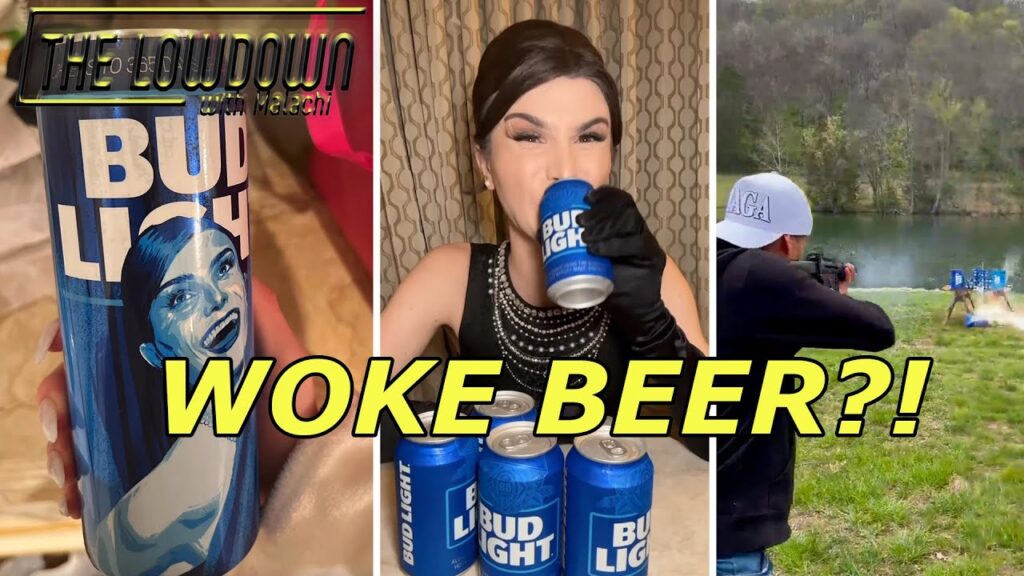
The Bud Light Lesson the NFL Ignored
This isn’t the first time corporate America has been reminded that customers are not captive voters.
When Bud Light embraced a marketing campaign wildly out of step with its customer base, executives believed backlash would be temporary. Instead, sales collapsed, distributors revolted, and a brand that had dominated its category for decades lost market leadership almost overnight.
The lesson was clear:
Customers do not owe brands their loyalty—brands owe customers respect.
And yet, major institutions keep making the same mistake, assuming scale insulates them from consequence.
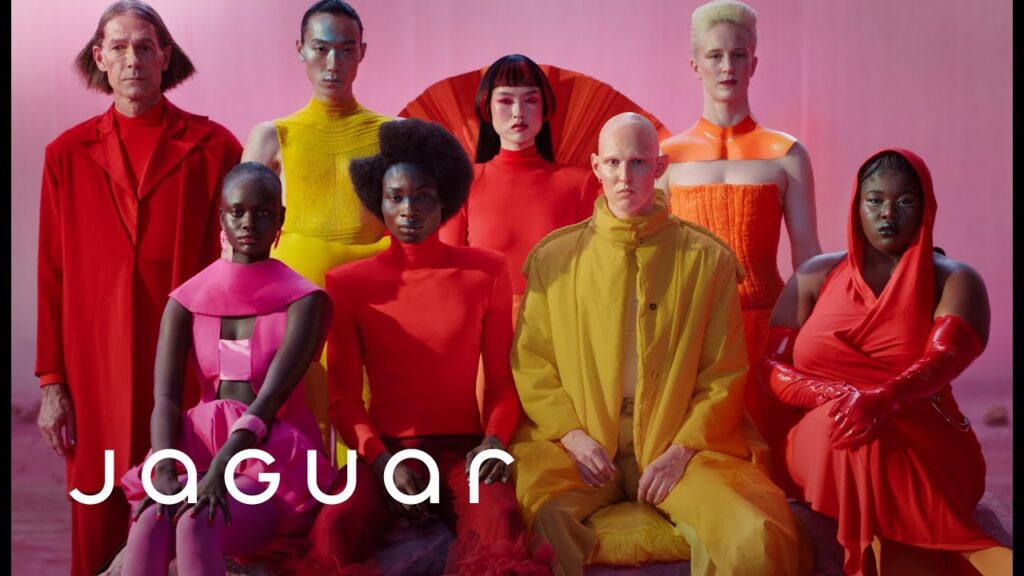
Jaguar, Identity Marketing, and the Price of Alienation
Even outside sports, the pattern repeats. Luxury automaker Jaguar has faced growing criticism for prioritizing ideological rebranding over the qualities that originally defined its appeal—heritage, craftsmanship, and prestige. When brands chase cultural approval rather than customer satisfaction, they often discover that applause does not translate into purchases.
The applause fades. The customers leave.

Why TPUSA’s Moment Matters More Than the Numbers
Critics are quick to argue that TPUSA’s alternative halftime audience was small compared to the NFL’s massive reach. That misses the point entirely.
David does not need Goliath’s army to make history. He needs one stone—and the courage to throw it.
What TPUSA demonstrated is not dominance, but viability:
- Viability of alternative platforms
- Viability of values-driven programming
- Viability of audiences self-selecting content aligned with their beliefs
Once that viability exists, loyalty becomes contestable.
Woke Capitalism vs. Traditional America
At the heart of this moment is a broader conflict: the growing divide between corporate cultural elites and everyday Americans who still hold to traditional values—faith, family, country, and community.
“Woke capitalism” promised inclusivity but often delivers exclusion. It elevates niche ideologies while dismissing mainstream concerns. And it consistently underestimates how deeply Americans resent being lectured by institutions they once trusted.
The NFL did not lose viewers because of music choice alone. It lost them because the halftime show became symbolic of something larger: a league that seems embarrassed by the people who built it.

Advertisers Are Doing the Math—Quietly
No marketing executive will publicly admit concern. But behind closed doors, the questions are unavoidable:
- What happens when viewers mute, skip, or leave?
- What is the ROI when attention is voluntary rather than forced?
- Are we paying for reach—or relevance?
When even a fraction of a Super Bowl audience opts out, the illusion of guaranteed exposure collapses. Advertisers don’t just buy airtime—they buy trust in the platform. And trust, once cracked, is expensive to rebuild.
Loyalty Is No Longer Automatic—It’s Conditional
The biggest takeaway from the TPUSA vs. NFL moment is not political. It is economic.
Customer loyalty in America is now conditional:
- Conditional on respect
- Conditional on alignment
- Conditional on being heard
Brands and institutions that ignore this shift do so at their peril.

A Warning, Not a Victory Lap
This is not a declaration of the NFL’s demise. The league remains a powerhouse. But power without humility invites challenge. And history is full of giants who assumed their size made them invincible.
TPUSA’s alternative halftime show was not just a protest—it was a proof of concept. A reminder that Americans are not as powerless as they are often told, and that choice still matters in a marketplace flooded with options.
Final Thought: The Crowd Has Learned How to Walk Away
For decades, corporate America assumed that cultural authority flowed in one direction—from institutions to people. That era is ending.
The people have learned how to walk away.
And once they do, no amount of money, messaging, or marketing can force them back.
David didn’t need to defeat Goliath to change history.
He only needed to prove that Goliath could bleed.
About the Author