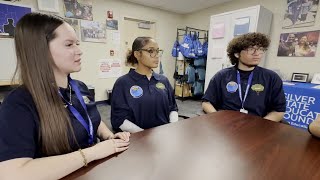

A social media post by Rancho High School teacher Reuben D’Silva has reignited tensions in Southern Nevada, drawing organized protests from conservative parents and activists concerned about politics entering the classroom.
The controversy centers around an Instagram video posted by D’Silva that critics argue crossed a line from personal expression into political advocacy connected to his role as a public-school educator.
What Sparked the Protest?
According to local reporting, the video circulated quickly online and prompted backlash from community members who believe public school teachers should maintain political neutrality — particularly in a state-funded classroom setting.
Protesters gathered to voice concerns about:
- Political messaging from educators
- The influence of social media on students
- The boundaries between private speech and public employment
Supporters of the teacher, on the other hand, argue that educators retain First Amendment rights outside of school hours.
And that’s where the debate gets complicated.
The Broader Issue: Where Is the Line?
Public employees — including teachers — do have constitutional speech protections. However, courts have long recognized that those rights can be limited when speech interferes with job responsibilities or undermines public trust.
The central question becomes:
Is this personal expression, or does it materially affect the school environment?
Parents tend to view schools as places for academics and character formation — not partisan engagement. Many argue that once political advocacy becomes associated with a teacher’s public identity, it erodes confidence in classroom neutrality.
Others counter that teachers are citizens first and shouldn’t be silenced simply because of their profession.
Why This Story Keeps Resurfacing
You’re right — this feels like it won’t go away.
That’s because education has become one of the front lines in America’s cultural debate. Across the country, similar incidents have sparked protests, board meetings, and even lawsuits.
In Nevada, where school performance and accountability are already major concerns, any controversy involving political expression in the classroom environment draws heightened attention.
Parents want:
- Transparency
- Focus on academics
- Assurance that their children aren’t being politically influenced
When trust feels shaken, public reaction follows.

What Happens Next?
The Clark County School District will likely review whether any policies were violated. These cases typically examine:
- Whether school resources were used
- Whether students were directly involved
- Whether district guidelines on professional conduct were breached
Absent clear policy violations, disciplinary action can be difficult. But public pressure often shapes outcomes as much as policy language does.
A Community Crossroads
Southern Nevada families are paying closer attention to what happens in classrooms than ever before. That’s not inherently negative — civic engagement is part of a healthy republic.
At the same time, it underscores a truth many of us grew up with: schools function best when they focus on reading, writing, math, history, and preparing young people to become responsible citizens — not activists.
This story is about more than one teacher or one post. It reflects a larger conversation about boundaries, professionalism, and the role of public education in a divided era.
And until that conversation is settled, stories like this aren’t likely to fade quietly.
#TheNevadaConservative #TNC #Local
About the Author