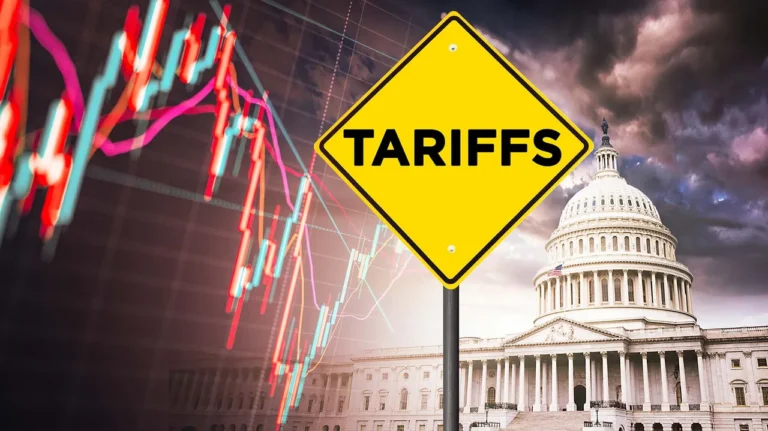
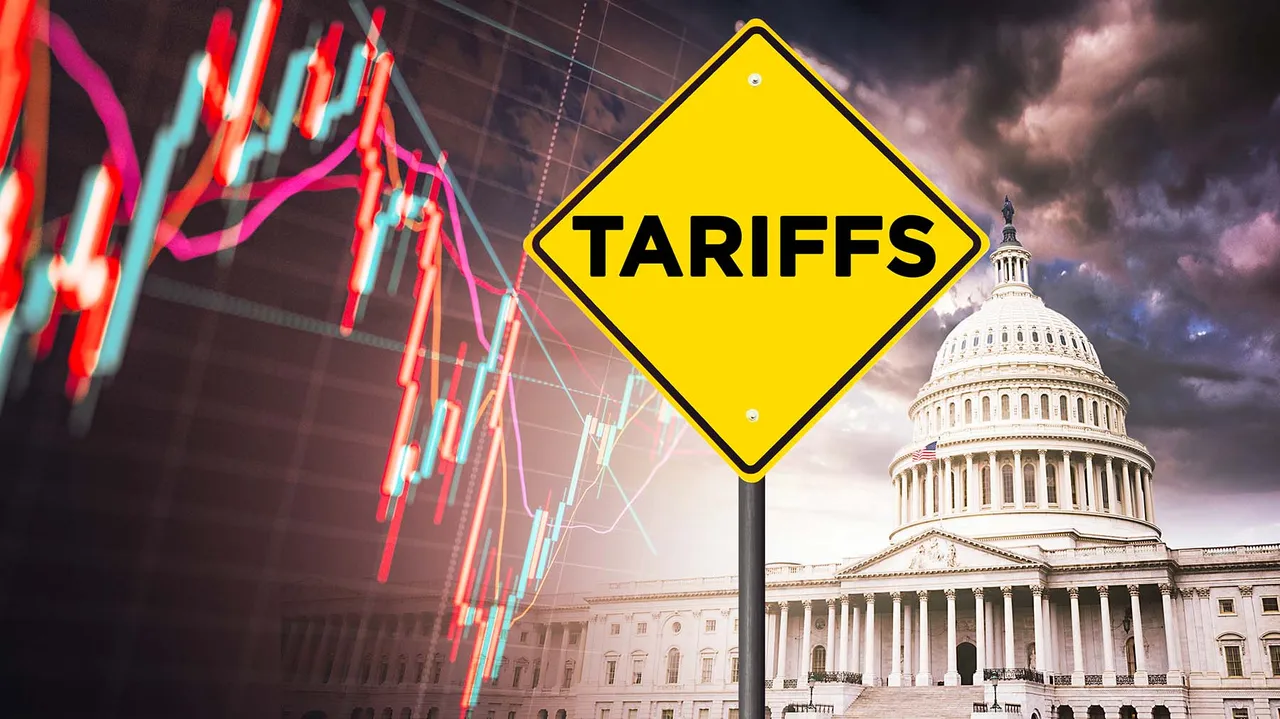
As we settle into this post-midterm Sunday, the Democratic Party has discovered a new villain for America’s affordability challenges: the very tariffs President Trump deployed to reverse half a century of industrial hollowing-out.
According to the left’s post-election narrative, voters delivered a repudiation of Republican governance solely over the cost of living. Maryland Rep. Jamie Raskin, soon to wield new power on the Judiciary Committee, has declared that tariffs are at the “core” of the problem and that Democrats will move to end them—particularly those affecting allies like Canada—within their first 100 days. “That’s one of the reasons we won Congress back,” he told CBC.
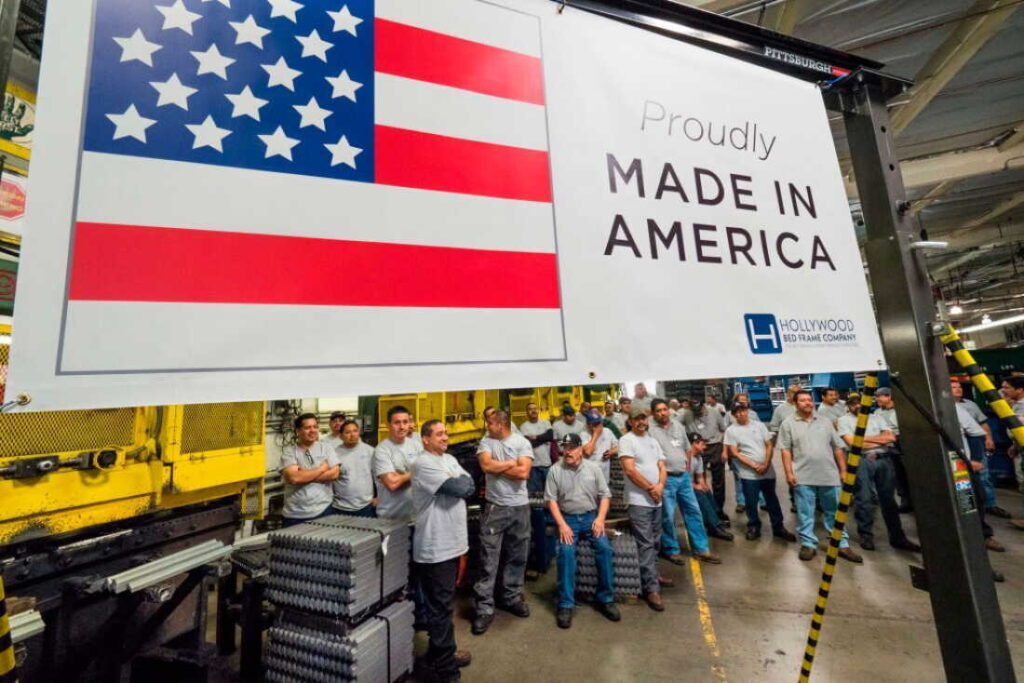
It is a remarkable pivot. For two years, while manufacturing employment and factory construction rebounded under Trump’s America First trade policy, few Democrats uttered a word about tariffs. Now that they hold the gavels, the tools that forced companies to bring jobs and production home are suddenly unaffordable.
Recall the COVID years. When supply chains snapped, Americans discovered we no longer made basic pharmaceuticals, semiconductor chips, or even toilet paper on our own soil. Decades of offshoring—encouraged by both parties but accelerated under globalist trade deals—left our nation dependent on foreign factories. Tariffs changed the calculation. White House data show more than 100,000 manufacturing jobs added in 2026 alone, factory construction employment surging by over 100,000 since Trump’s return, and companies from Audi to U.S. Steel announcing major domestic investments. Core capital goods orders are up sharply. This is not abstract economics; it is paychecks for American families, tax bases for communities, and strategic independence for the nation that remains the world’s best hope.
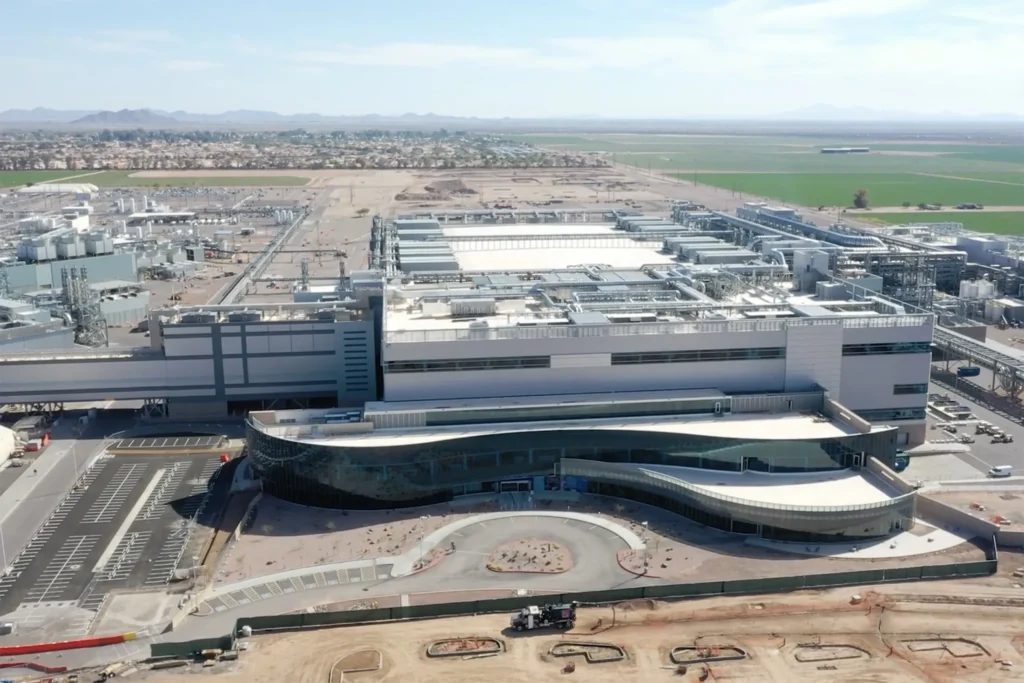
Democrats now claim these same policies inflated prices and cost them the midterms. Yet the same party that presided over 9 percent inflation, record gas prices, and the emptying of American industrial capacity under Joe Biden kept many of Trump’s China tariffs in place—and even raised some on EVs, chips, and solar components. Biden’s own trade representative cited China’s unfair practices as the reason. The hypocrisy is plain: tariffs are acceptable when they protect green energy or when Democrats hold the White House; they become the root of all economic evil the moment Republicans use them to prioritize American workers.
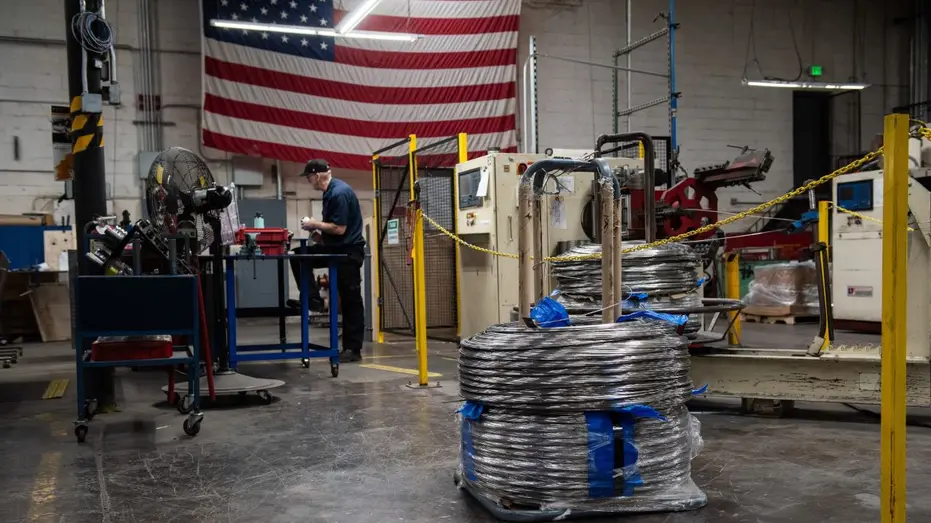
Meanwhile, a far more direct pressure on household budgets receives less partisan outrage: the electricity demands of artificial intelligence data centers. Wholesale power prices have risen in key markets, capacity auctions have spiked, and analyses from the Dallas Fed and others attribute several percentage points of recent electricity cost increases to these massive loads. In regions like PJM, data center demand has been a primary driver of capacity costs that flow into residential bills. Democrats such as Raskin have raised legitimate concerns about transparency and cost allocation—questioning non-disclosure agreements and urging that ratepayers not subsidize Big Tech’s power needs. That scrutiny is warranted. But it is curious that the same voices eager to scrap tariffs that protect domestic manufacturing of electrical equipment, steel, and components necessary for both factories and data-center infrastructure are quieter about the energy abundance policies required to keep power affordable while meeting this new demand.
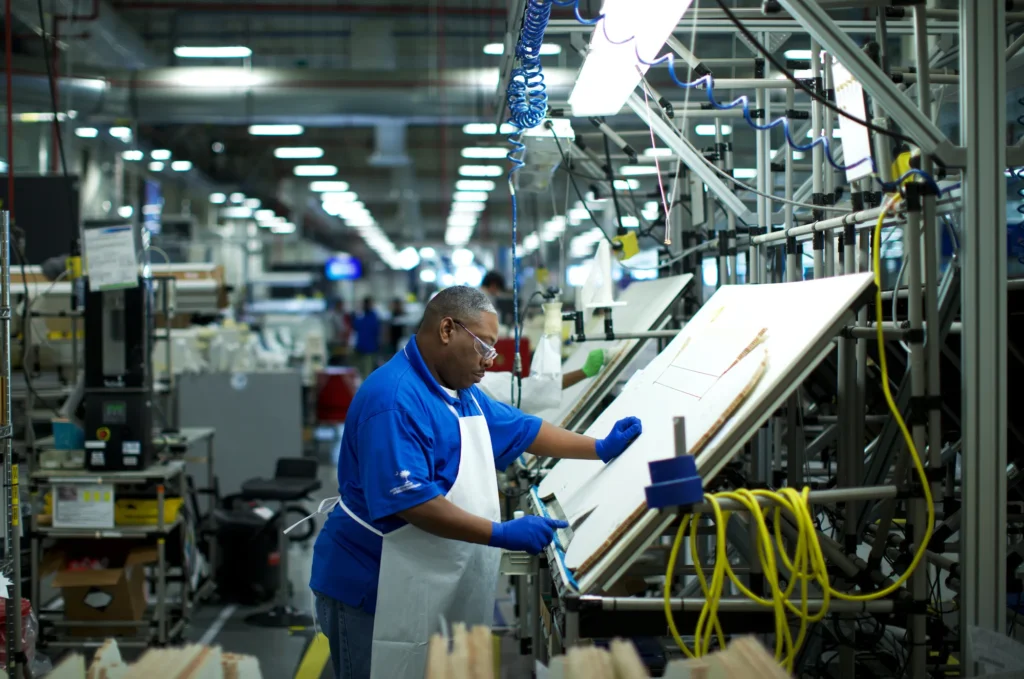
True affordability does not come from returning to the status quo of dependency. It comes from producing more of what we consume here, securing supply chains, and generating the energy—oil, gas, nuclear—needed to power both traditional industry and the AI boom without rationing or price spikes. The midterms may have been a check on certain policies, including the costs of conflict in Iran that drove fuel prices higher. But turning on the tariffs that restored America’s ability to build things is not the path to prosperity. It is a return to the vulnerability we lived through only a few years ago.
Democrats may talk affordability. Conservatives should insist on the conditions that make it lasting: American manufacturing, American energy, and American independence. Our families, our communities, and our Constitutionalist tradition of self-reliance depend on it.
About the Author