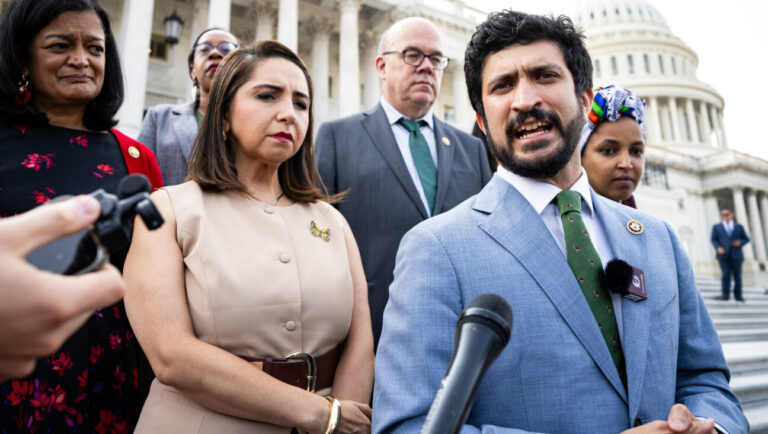

The 2026 midterms are over. The results are in. And for Republicans, the picture is not the one that should have emerged after years of Democrat governance, open-border chaos, inflationary spending, and cultural radicalism. The Trump economy delivered real gains for working families. Red-state governance continued to outperform blue-state decline. Yet the GOP still underperformed. This is not a moment for excuses. It is a moment for a clear-eyed autopsy.
Candidates who could not carry themselves
Several Republican candidates simply should not have been on the ballot. They lacked the ability to raise money, articulate a coherent message, or withstand the inevitable media onslaught. The Trump-aligned infrastructure spent heavily to prop them up. That is not a sustainable model. Serious parties recruit and certify serious candidates early. The GOP must begin that process now—identifying, training, and vetting men and women who are hungry to win, who understand the issues, and who can stand on their own without constant outside rescue. Primary voters and party officials both share responsibility here. Weak candidates do not suddenly become strong in the general.
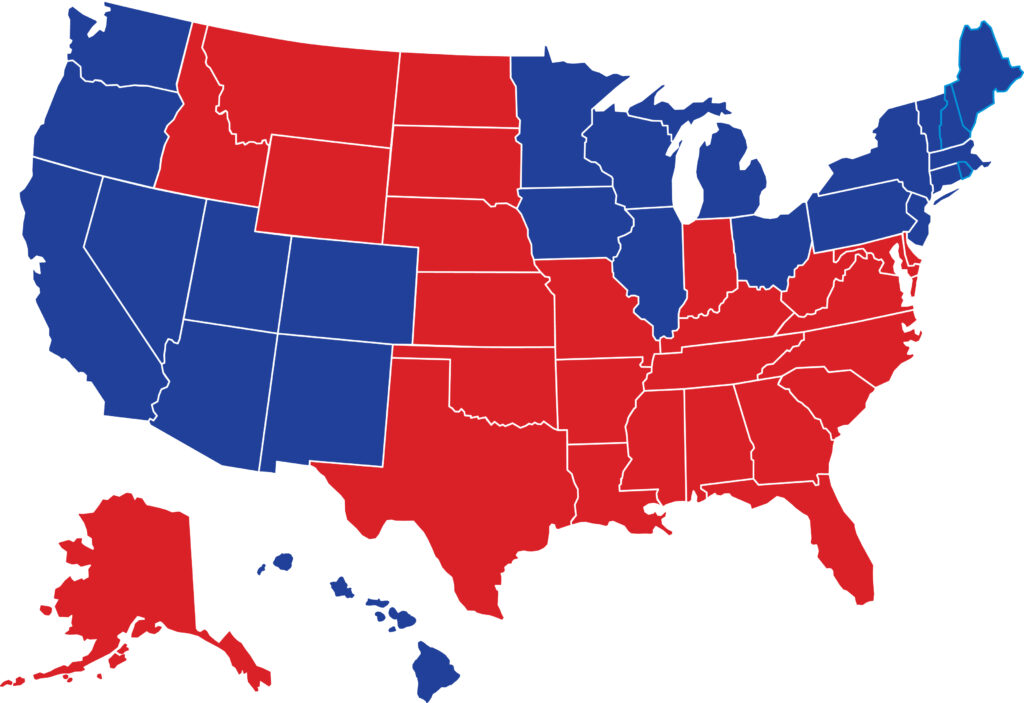
Messaging that never reached the people
The Trump-era economic record was strong. Wages, energy production, border enforcement gains, and the broader recovery were real. Yet the GOP failed to broadcast those facts with clarity and repetition. Too many voters heard the media’s version of events rather than the record. This must become a priority. Republicans need more outlets—radio, digital, local television, independent online platforms—that exist for the explicit purpose of explaining what the party has actually done and is doing for American families. Silence cedes the field.

The Democrat machine and the organizing gap
Democrats spent the last six years building a massive get-out-the-vote apparatus. They combined it with organized networks from the Democratic Socialists of America, Somali and Muslim political coalitions, and outside money flowing from George Soros-linked groups, Neville Roy Singham’s network, and actors tied to China and Iran. The result was a disciplined turnout operation. Republicans cannot match that overnight. They must start building a durable base of voters who will carry the message themselves. By the time early voting begins, the troops should already be in place. Waiting until the final months is no longer an option.

The media’s real power
Mainstream media amplification painted a picture of doom and gloom that did not match the data. It echoed a carefully curated Democrat narrative: the economy was failing, any conflict involving Iran was a disaster, and Jewish self-defense was somehow the central problem. That message reached millions who never heard the counter. The GOP must create its own messaging infrastructure that can rival the legacy outlets—radio, internet, social platforms, and terrestrial television. Without amplification, even correct facts remain invisible.
What the MAGA agenda still reveals
The autopsy deliberately sets the broader MAGA agenda to one side for a reason. The continued migration from blue states to red states tells a clear story. People are voting with their feet for law and order, fiscal responsibility, energy abundance, border security, and a culture that still recognizes the difference between men and women and the value of unborn life. Those fundamentals have not lost their appeal. The problem was not the substance; it was the delivery and the candidates.

The Trump factor heading into 2028
At the center of this autopsy sits President Trump. The left has spent more than a decade building an entire political empire on the claim that he is uniquely dangerous. That narrative began in 2015 and has been driven relentlessly ever since. In 2028 he will not be on the ballot. Republicans will need to run on the results of his policies and the contrast with Democrat governance without making him the constant reference point. Any campaign that remains primarily a referendum on him personally will be fighting on terrain the left has already prepared. The task is to nationalize the issues—crime, borders, energy, education, and the size of government—while treating Trump as a past president whose record is available for examination rather than the daily focal point of every message.
The 2026 midterms were not a rejection of conservative principles. They were a rejection of weak candidates, unclear communication, and an organizing deficit against a well-funded opposition. Those are correctable problems. The question is whether the Republican Party will treat them as urgent rather than optional. The next cycle begins now.
About the Author