There is an old saying: if you tell a lie long enough, people will begin to believe it. Democrats bet the farm on that principle in 2026. They took a difficult but temporary situation—high gas prices driven largely by the Iran conflict and seasonal factors—and turned it into a relentless, coordinated national hysteria. The goal was simple: convince voters America was in an unaffordability crisis so severe that only Democrats could save them. Van Jones just confirmed it out loud.
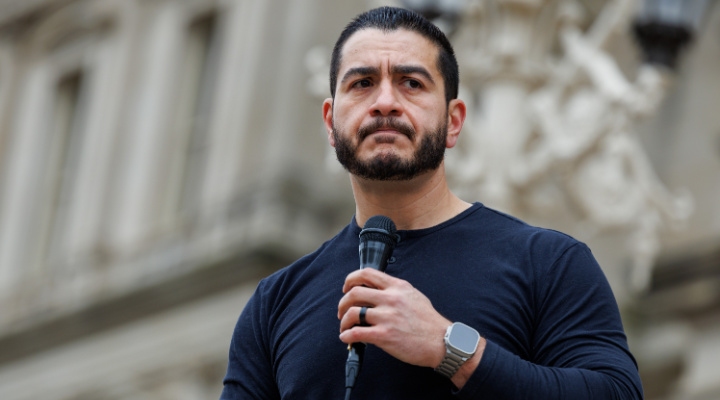
On CNN with Kaitlan Collins, days after the midterms, Jones smiled and revealed the machine. “The Republicans never figured out what we were doing,” he said. There was something called the American Accountability Network. Tens of thousands of online humans—not bots—coordinated to make the affordability message a winning message. He read the numbers: 32.5 million people hit on Instagram every day. 88.8 million on X. 185 million Facebook hits every single day. “They never figured it out. It wasn’t bots. It was actual human beings.”
This was not organic public sentiment. It was industrial propaganda. The same message, day after day, platform after platform: everything is unaffordable, gas costs too much, and it is all the Republicans’ fault. Democrats had no traction on culture-war issues, so they simply drowned them out. Jones called it the most effective online organizing campaign that flew under the radar. He had permission to reveal it now that the votes were cast. The network, he noted, will continue.
The AAN is no loose collection of volunteers. It is a consortium of advocates, content creators, organizers, and influencers whose partners and clients include the DCCC, AFL-CIO, AFSCME, SEIU, MoveOn, the Human Rights Campaign, and Democratic figures from Joe Biden and Kamala Harris onward. They paired the digital flood with traditional field operations. The volume was the point. Truth could not keep up with the sheer volume of the lie.
And what was the truth? Gas prices were elevated. Families felt it at the pump and at the grocery store. But this was not a permanent collapse of the American economy. GDP was growing. Unemployment remained low. The pain was real but concentrated and, in key respects, temporary. National average gas prices had already begun their seasonal decline before Election Day. The day after the votes were counted, the national average fell below $4 a gallon for the first time since July—down from roughly $4.14. Analysts point to falling crude prices, increased supply through the Strait of Hormuz, and the usual autumn drop in demand. The crisis Democrats flamethrew as existential was already easing.
This is why the operation was so wicked. Democrats stoked a fire, bet that voters would run with the exaggerated narrative, and won. Then, almost on cue, the most visible symbol of the “crisis” began dropping. They did not invent every price increase, but they manufactured the scale, the permanence, and the exclusive blame. It was digital brainwashing on a scale that would make old Cold War propagandists envious. Millions of posts, tens of thousands of coordinated voices, one message: America is unaffordable and only we can fix it.
Now that the election is over, watch the pivot. The same Democrats who insisted voters cared only about kitchen-table costs are already scheduling hearings and investigations aimed at Trump officials and allies. Affordability was the weapon. Power was the objective. Jones did not sound ashamed. He sounded triumphant that Republicans never figured out what they were doing.
The American people were the targets. A temporary hardship was inflated into a permanent indictment through sheer repetition and coordination. If you tell a lie long enough—and you blast it across every feed at industrial volume—people will begin to believe it. Democrats just proved the saying is still true. The question now is whether voters will remember the confession when the next manufactured crisis arrives.
About the Author