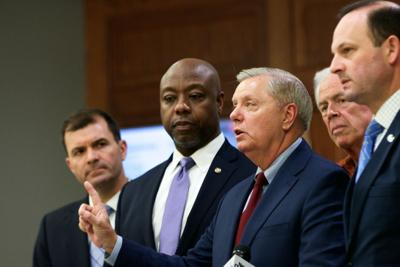
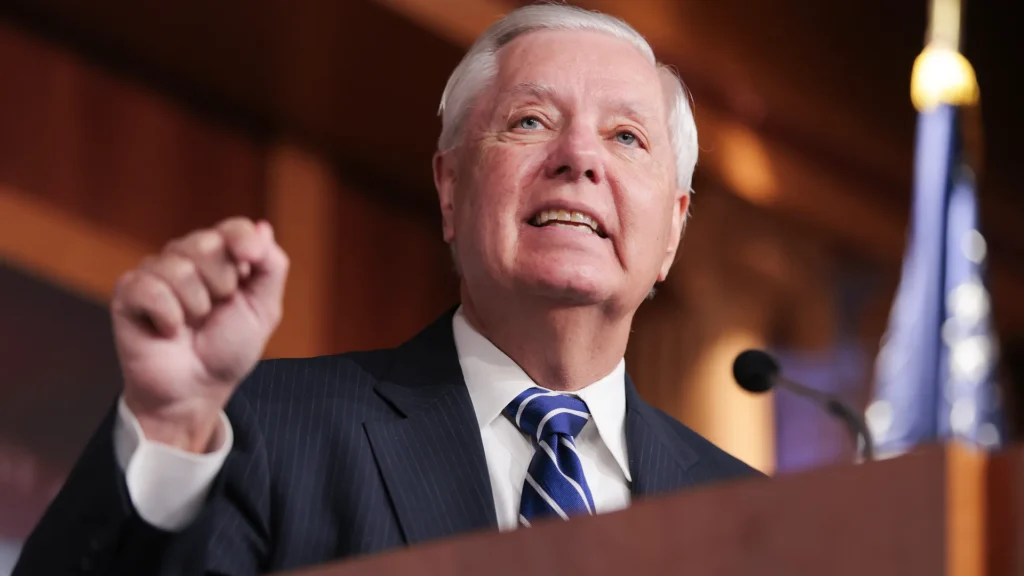
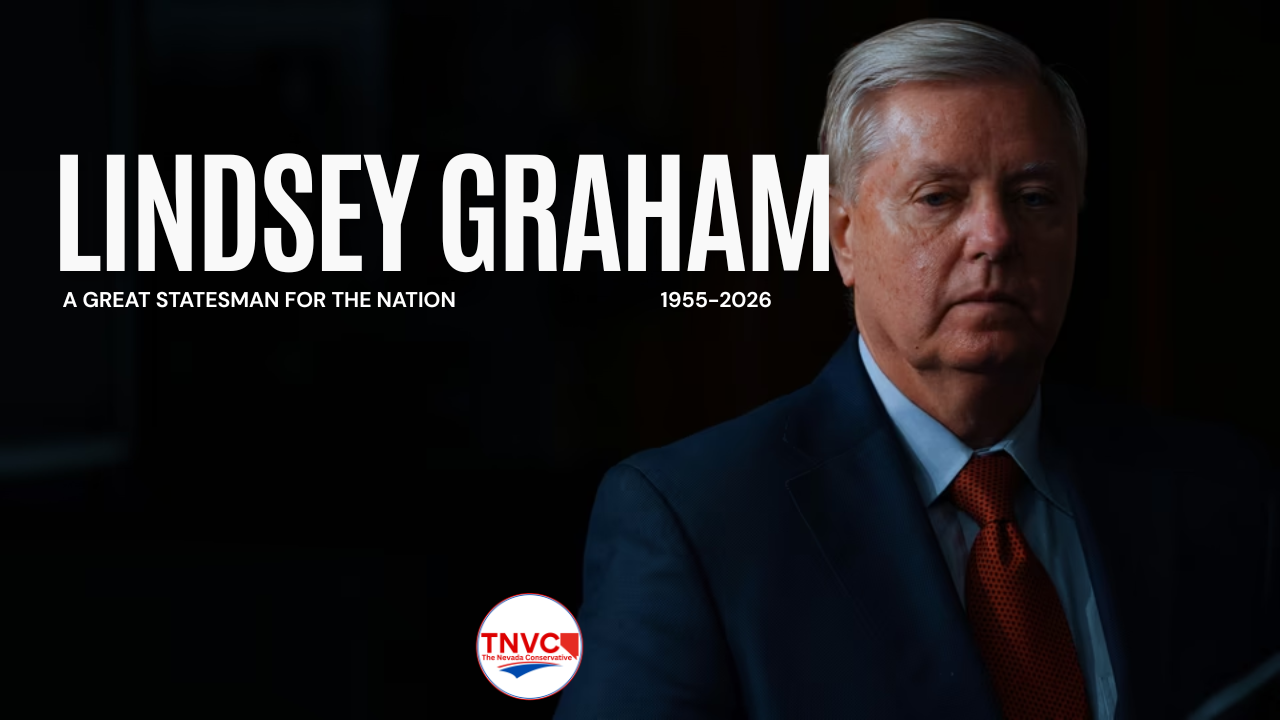
The sudden passing of Senator Lindsey Graham on Saturday, July 11, 2026, has sent shockwaves through Washington and conservative circles nationwide. At 71, this faithful servant of South Carolina and America—a true constitutionalist, military veteran, and unyielding defender of our sovereignty—left this world after a brief illness, leaving colleagues, President Donald Trump, and freedom-loving patriots grieving a profound loss.

As conservatives, we mourn a man who embodied the fighting spirit of our Founding Fathers. Like Samuel Adams, Graham built bridges where possible while never compromising on core principles: strong national defense, secure borders, and America’s role as the world’s last, best hope for liberty. His death is not just a personal tragedy but a test for the Republican Party and the Senate at a critical moment.
What Happens Now in South Carolina and the Senate?
Under South Carolina law, Republican Governor Henry McMaster has the authority to appoint a temporary replacement to serve until January 3, 2027. This ensures the seat remains in Republican hands, preserving the GOP’s slim 53-47 Senate majority in the short term.
Because Graham had already won the Republican primary for his fifth term, state law requires a special primary election—filing opens around July 21 and runs for one week, with the primary set for August 11 (possible runoff August 25). The winner will face Democrat Annie Andrews in November. Early speculation centers on figures like Lieutenant Governor Pamela Evette, Representatives like Joe Wilson or Ralph Norman, or Attorney General Alan Wilson. President Trump has indicated he has someone in mind to help guide the process.

The temporary appointee and eventual elected successor will step into big shoes. Graham was Chairman of the Senate Budget Committee and served on Appropriations (including its Defense Subcommittee), Judiciary, and Environment and Public Works. His institutional knowledge and tireless work ethic were invaluable in advancing pro-America priorities.
What Does This Mean for the GOP?
Republicans face both continuity and challenge. Graham was a key Trump ally who evolved into one of the President’s most reliable partners on foreign policy, sanctions, and defense. His loss removes a seasoned voice who could rally votes and navigate complex legislation like the National Defense Authorization Act (NDAA), appropriations, and efforts to hold adversaries accountable.
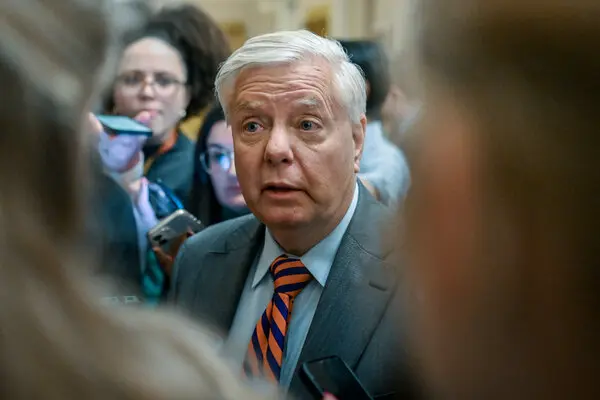
With a narrow majority and other health concerns in the caucus (including former Leader Mitch McConnell), every vote matters more than ever. Graham’s death complicates timelines for must-pass bills before the midterms. Yet the GOP remains resilient. South Carolina is deep red; the seat is expected to stay Republican. This moment calls younger conservative leaders to step forward with the same resolve Graham showed—fighting for faith, family, life, and constitutional government.
The party’s pro-America agenda under President Trump continues. Graham’s legacy of tenacious advocacy for sovereignty and strength will inspire the next generation of fighters.
Impact on Senate Politics
The Senate will feel the absence of Graham’s pragmatic yet principled approach. As a former JAG officer and longtime defense advocate, he brought real-world perspective to debates on military readiness, alliances like Israel, and countering threats from China, Russia, and Iran. His work on the Appropriations Defense Subcommittee and past influence on Armed Services matters made him a steady hand.

Short-term disruptions are likely in committee work and floor votes on defense and spending priorities. Longer-term, Republicans must fill the Budget chairmanship and adjust other roles. The narrow majority demands unity; Graham’s ability to work across some aisles while holding the line on conservative values will be missed in negotiations.
Who Is Most Likely to Replace Graham’s Voice on Defense and Armed Services Matters?
Senator Graham was not a current member of the full Senate Armed Services Committee in the 119th Congress (Chairman Roger Wicker leads it with strong conservatives like Tom Cotton, Dan Sullivan, Joni Ernst, and others). However, his deep expertise from prior service on the committee (including past subcommittee leadership) and his current role on Appropriations’ Defense Subcommittee gave him outsized influence on national security.
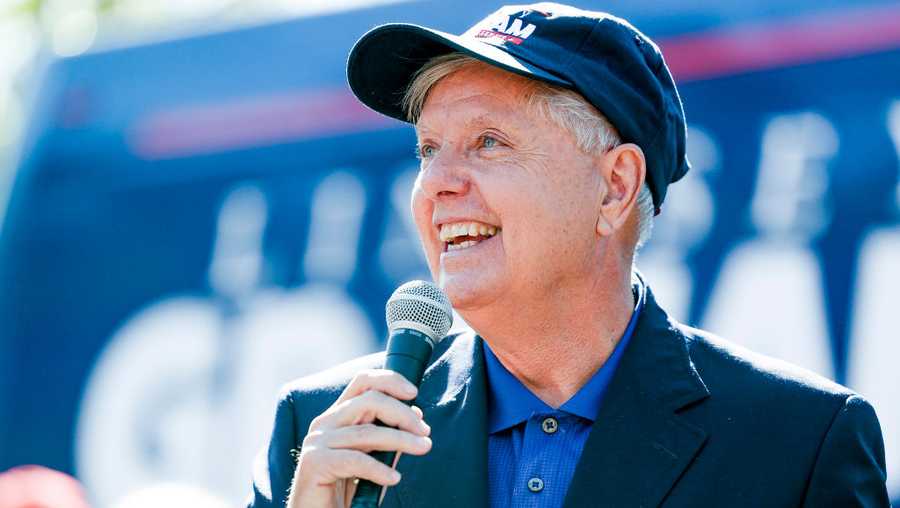
No direct “replacement” is needed on Armed Services itself, but the conservative movement will look to proven hawks to carry the torch. Senators like Tom Cotton (R-AR)—a veteran with sharp foreign policy instincts—or Dan Sullivan (R-AK) and Joni Ernst (R-IA) are well-positioned to lead on readiness, emerging threats, and America First defense priorities. These constitutional conservatives share Graham’s commitment to peace through strength and rejecting weakness abroad.
Graham’s passing reminds us that America’s strength comes from leaders who put God, country, and the Constitution first. We pray for his family, especially his sister Darline, and ask God’s comfort on all who loved him. Flags fly at half-staff in his honor, and his legacy of fighting for the sovereignty of this exceptional nation endures.
Conservatives must redouble our efforts. The work continues—securing borders, rebuilding the military, defending life, and ensuring America remains the shining city on a hill. Lindsey Graham would expect nothing less.
About the Author