
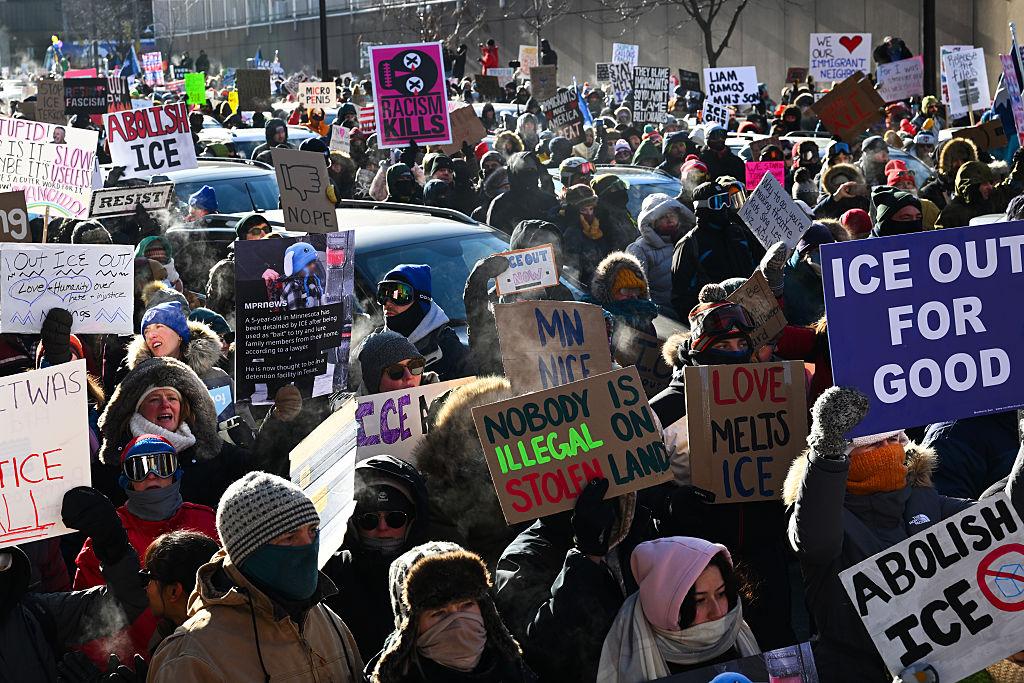
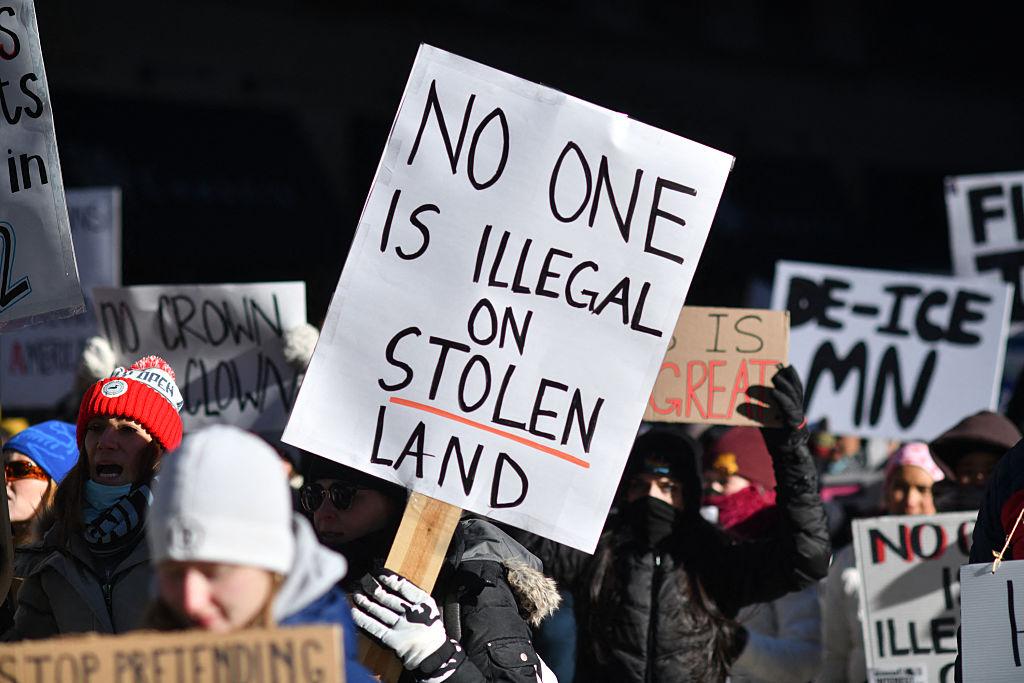
Protests and coordinated boycotts continued to ripple across major U.S. cities this week following a surge in federal immigration enforcement actions centered in Minneapolis. Demonstrations tied to Immigration and Customs Enforcement (ICE) activity have spread nationwide, drawing crowds in urban centers while reigniting debate over immigration policy, federal authority, and public order.
According to reports, the renewed enforcement push in Minnesota has acted as a flashpoint for activist groups, prompting marches, walkouts, and calls for economic boycotts in cities far beyond the Upper Midwest. Organizers describe the effort as a national response to what they view as aggressive immigration enforcement, while critics argue the protests are increasingly disconnected from the rule of law.
Minneapolis as the Epicenter
Minneapolis has emerged as ground zero for the latest wave of demonstrations following heightened enforcement operations carried out by U.S. Immigration and Customs Enforcement, operating under the broader authority of the Department of Homeland Security.
Federal officials have defended the operations as lawful actions targeting individuals who are in the country illegally, some of whom have prior criminal records or outstanding legal issues. Protest organizers, however, claim the enforcement actions have fueled fear within immigrant communities and have used that concern to mobilize nationwide demonstrations.
From Protests to Boycotts
Beyond marches and rallies, some activist groups have escalated their response by encouraging coordinated boycotts and work stoppages. These actions are intended to apply economic pressure on businesses and local governments perceived as cooperating with federal authorities.
While participation levels vary widely by city, the boycotts have sparked criticism from business owners and workers who say such actions often hurt local economies more than policymakers — particularly in working-class communities already facing economic strain.
Law Enforcement and Public Safety Concerns
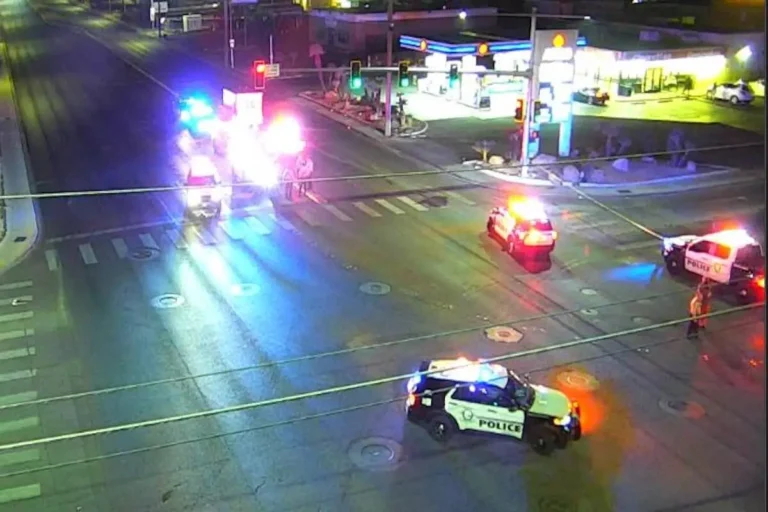
Law enforcement agencies across the country have largely adopted a crowd-control posture, monitoring protests while emphasizing de-escalation. However, officials in several cities have warned that interference with federal officers, blocking roadways, or vandalism could result in arrests.
Federal law makes it a crime to obstruct or impede federal officers in the performance of their duties, a point increasingly raised by critics who argue that some demonstrations are crossing from lawful protest into unlawful activity.
A Divided National Conversation
The protests underscore a widening national divide over immigration enforcement. Supporters of enforcement argue that no nation can function without borders or consistent application of the law, and that selective enforcement undermines public trust. Opponents counter that current policies are too punitive and call for broader immigration reform.
What is clear is that the demonstrations are no longer isolated or spontaneous. They reflect an organized, national movement responding to federal actions — and, in some cases, testing the boundaries between protest, disruption, and enforcement.
Why It Matters
As immigration enforcement continues and protests persist, the consequences extend beyond politics. Businesses, commuters, students, and local governments are all affected when demonstrations disrupt daily life. At the same time, federal agencies face increasing pressure to carry out their mandates amid intense public scrutiny.
With no immediate sign that either enforcement or protests will slow, Americans are once again confronted with a central question: how to balance compassion, sovereignty, free speech, and the rule of law in a nation built on all four.
About the Author