
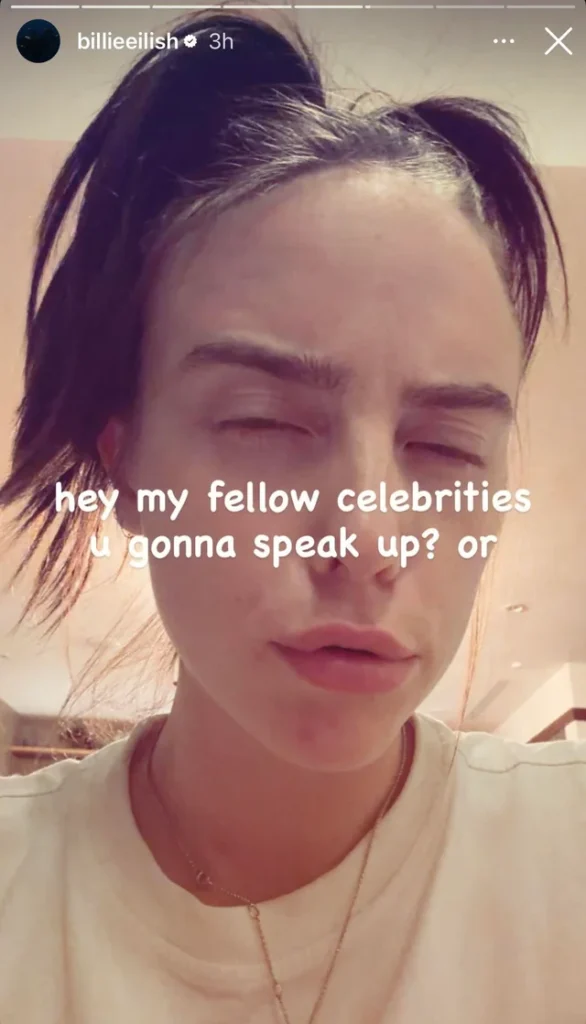
In the aftermath of the Grammy Awards, pop star Billie Eilish found herself facing an unexpected rebuke—not from political opponents, but from a Native American tribe with a direct financial stake in her own lifestyle.
During her Grammy remarks, Eilish delivered a familiar brand of cultural commentary, touching on themes of land, justice, and historical grievance. But shortly afterward, members of a Native American tribe that owns the land beneath her Los Angeles mansion offered a pointed reminder: symbolism is easy—consistency is harder.
According to reporting by the New York Post, the tribe emphasized that while celebrities often speak passionately about land acknowledgments and historical wrongs, real-world arrangements—like long-term land leases—tell a more concrete story.
The Irony That Sparked the Reaction
The tribe’s message wasn’t hostile. It was factual—and quietly devastating.
Eilish reportedly resides in a luxury home built on land owned by the tribe, which benefits financially from lease agreements. Tribal representatives noted that if the singer truly believes in returning land or restructuring ownership, nothing prevents her from starting with her own address.
That observation struck a nerve because it highlights a broader frustration shared by many Americans:
virtue signaling without personal cost.
Why This Resonates Beyond Hollywood
For millions of working Americans, celebrity activism can feel disconnected from everyday reality. It’s one thing to speak from a Grammy stage. It’s another to:
- Pay a mortgage
- Run a business
- Or manage land, taxes, and contracts
The tribe’s response underscored a basic principle that resonates deeply with conservative audiences: values mean more when they’re lived, not just spoken.
This isn’t about silencing entertainers. It’s about perspective.
Artists are free to express opinions—but when those opinions collide with verifiable facts, public scrutiny is fair game.

A Lesson in Credibility
The tribe didn’t demand apologies. They didn’t call for cancellation. They simply reminded the public that actions carry more weight than applause lines.
That restraint stands in contrast to much of modern celebrity culture, where moral authority is often assumed rather than earned.
For many observers, the takeaway is simple:
- Advocacy should begin at home
- Consistency builds trust
- And fame does not confer wisdom
Or, as a lot of Americans put it more bluntly: maybe stick to the music.
Bottom Line
This episode isn’t about Billie Eilish alone. It’s about a growing fatigue with celebrity moralizing—especially when it’s untethered from personal accountability.
The Native American tribe’s response offered something rare in today’s culture wars: a calm, factual rebuttal that let reality speak for itself.
And in the end, that may be the most persuasive argument of all.
About the Author