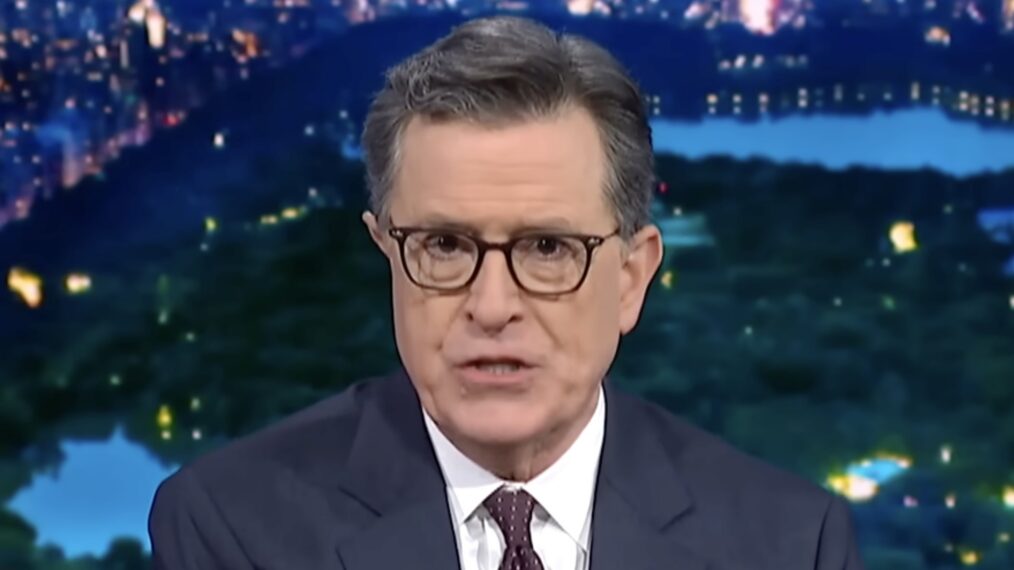
Here’s the straight scoop as Federal Communications Commission and the Trump White House step up pressure on broadcast networks over what critics call ingrained liberal bias on late-night television — especially shows like The Late Show with Stephen Colbert and others that have dominated the airwaves for years.
📺 Colbert: FCC Guidance Led to Pulled Interview
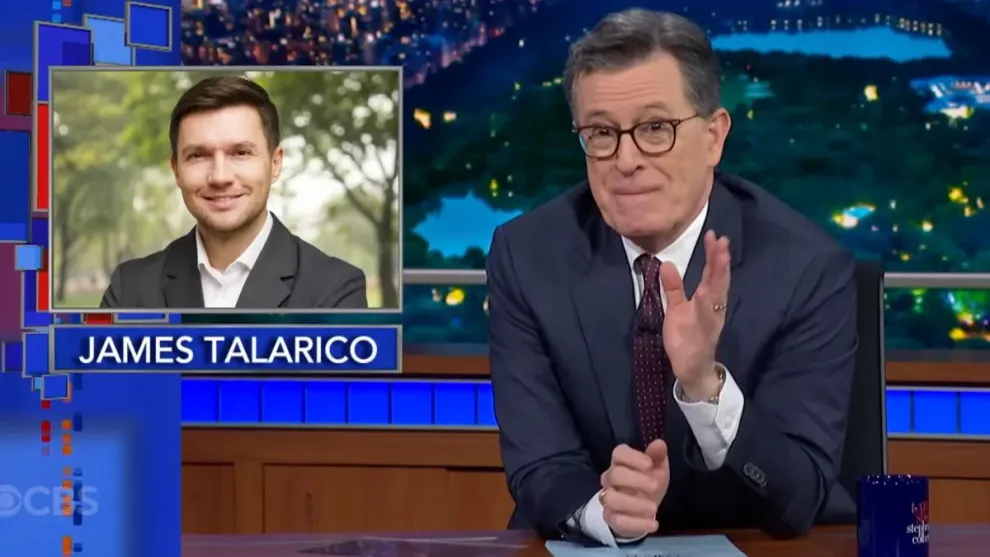
Last night, The Late Show with Stephen Colbert host Stephen Colbert revealed his network lawyers removed a scheduled interview with James Talarico, a Democratic U.S. Senate candidate from Texas, from the broadcast lineup. The stated reason: fear that it might violate the FCC’s “equal time” requirements for political candidates now being applied to talk shows.
Colbert said his lawyers told him:
- He couldn’t air the interview.
- He couldn’t even mention that it was pulled.
- The interview was instead posted online on YouTube.
This is a pretty big shift: historically, late-night talk shows have fallen under a “bona fide news” exemption and weren’t required to offer matching time to opponents. But current FCC guidance under Chairman Brendan Carr rejects that blanket exemption for late-night and daytime shows, forcing networks to rethink their guest lists.
📊 What the Numbers Say: Liberal Guests Dominating Late Night
Independent watchdog studies are piling up to show a stark imbalance in on-air voices:
- A Media Research Center study covering late-night TV in 2025 found liberal guests outnumbered conservatives by roughly 90 to 1 on top talk shows, with just one conservative voice booked compared to dozens of liberals.
- Another report from NewsBusters found that in the first half of 2025, 99 % of political guests on major late-night shows leaned left, with virtually zero Republicans featured.
- An analysis of hundreds of episodes showed about 197 liberal guests compared to only 2 conservative guests during a broad sampling — an almost total lack of ideological balance.
- Separately, researchers documented that political jokes targeting conservatives on these shows have risen sharply, with about 92 % of all political humor aimed at the right in 2025.
Those kinds of figures underscore why conservative audiences have long complained about one-sided coverage — and why the FCC’s renewed scrutiny matters so much to those who feel their viewpoints are sidelined.
🎙️ FCC’s Fairness Doctrine? Long Abandoned — But Back In Discussion
You’ve heard of the old Fairness Doctrine — a regulatory rule from the mid-20th century that required broadcasters to present contrasting viewpoints on controversial issues. It was abolished in 1987, and networks haven’t been held to anything like it for decades.
That means — until now — late-night hosts could book who they liked and tell the jokes they wanted without worrying about balancing guests from both sides of the political aisle.
But with the FCC under a Trump-appointed chair pushing guidance that talk shows could lose their news exemption unless they meet stricter standards, networks are scrambling to avoid regulatory trouble. Some are pulling segments preemptively rather than risk equal-time complaints.
From the conservative perspective, this move is finally forcing institutions that long ignored ideological balance to face real consequences. Critics, on the other hand, argue it’s government overreach into editorial decisions — a debate that very much echoes the old fairness doctrine fights of American broadcasting history.
📌 Bottom Line
- Colbert’s pulled interview highlights how the Trump administration and the FCC are pressing broadcasters on political fairness in late-night programming.
- Data from multiple watchdogs shows a massive tilt toward liberal guests and political content on late-night TV.
- What used to be considered light entertainment is now at the center of serious First Amendment and regulatory clashes — a throwback, some might say, to when broadcasters had to take balance seriously.
About the Author



![flag_final[2]](https://thenevadaconservative.com/wp-content/uploads/2026/07/12112-768x536.jpg)



![flag_final[2]](https://thenevadaconservative.com/wp-content/uploads/2026/07/12112-150x150.jpg)