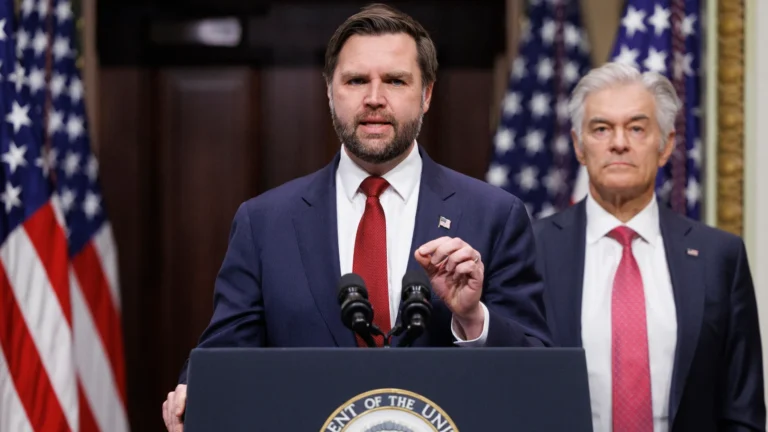

President Donald Trump has signed legislation ending the partial federal government shutdown, reopening affected agencies and restoring pay for furloughed federal workers nationwide. The move brings immediate relief to millions of Americans whose lives and livelihoods were disrupted, from federal employees and military families to travelers and small business owners.
But while the shutdown has ended, the political standoff that caused it is far from resolved.
Why Democrats Rejected the Original Budget Deal
Democratic leaders initially refused to support the original budget proposal, citing objections to immigration enforcement priorities, border security funding, and what they described as an imbalance in spending allocations. Central to their resistance was opposition to continued funding and operational authority for Department of Homeland Security and Immigration and Customs Enforcement.
Progressive lawmakers and activist groups have increasingly pushed for reduced enforcement of federal immigration law, with some openly calling for ICE to be defunded or dismantled altogether. That ideological position made compromise difficult, even as the shutdown’s effects rippled across the country.
The Funding Reality Democrats Didn’t Emphasize
What received far less attention during the standoff is that DHS and ICE were not facing immediate defunding at all.
Congress had already approved multi-year funding authorities for core DHS and ICE operations as part of a broader spending package passed last year—legislation that extends key operational funding well into 2029. In other words, the agencies Democrats claimed they were trying to defund were already operating under long-term funding provisions approved by Congress itself.
Republican leaders argued that the shutdown fight was therefore less about fiscal necessity and more about political messaging—an attempt to leverage a must-pass budget to score ideological points against immigration enforcement, despite existing law and previously approved funding.
A Tactical Pause, Not a Resolution
The bill signed by President Trump effectively pressed pause on the shutdown, reopening the government while postponing the larger fight. Federal offices are now open, back pay is being issued, and essential services are operating normally.
However, the fundamental disagreement remains: whether the federal government will enforce immigration law as written, or whether ideological opposition will continue to override legislative reality.
Administration officials made clear that reopening the government was necessary to protect the economy and ensure stability—but they also warned that future budget negotiations will again confront the same divide over border security, enforcement authority, and the rule of law.
What Comes Next
With the shutdown behind them, lawmakers now turn toward the next round of negotiations—where spending discipline, national security, and immigration enforcement are expected to dominate the debate once again.
For the American people, the message is clear: this was not the end of the fight, but merely an intermission.
And in Washington, the next act is already being written.
About the Author