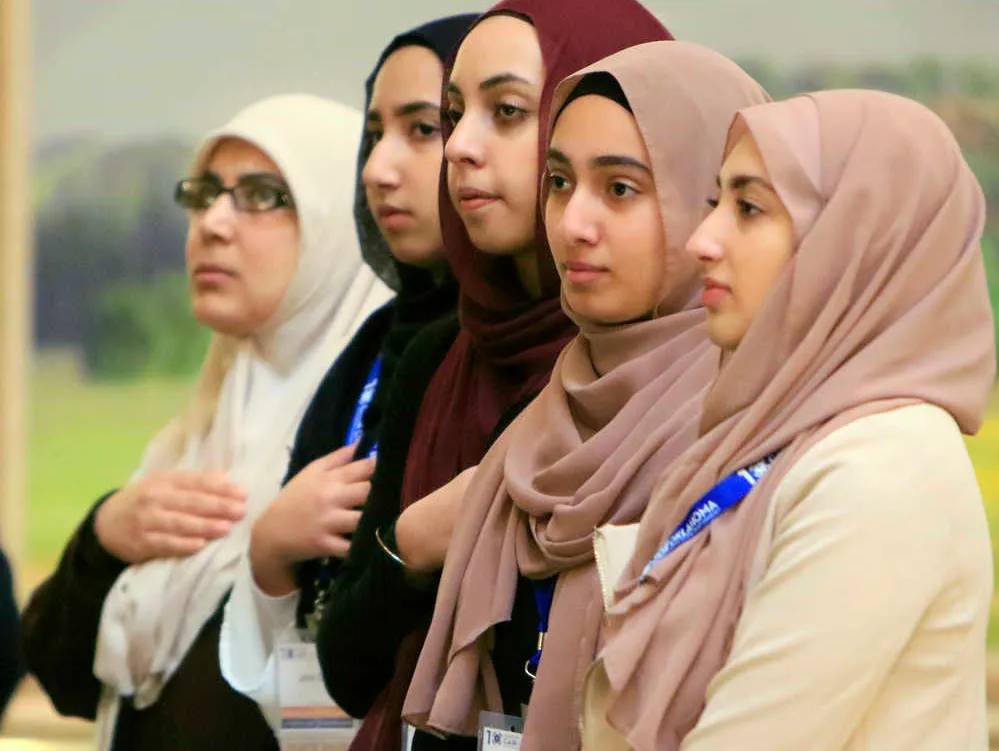
For generations, American public schools were understood to be places of learning—not laboratories for ideology, activism, or religious advocacy. While moral instruction and civic virtue were once openly encouraged, schools were expected to remain neutral when it came to advancing any particular faith. That expectation is now being tested, as a recent uproar in a Texas school district highlights growing concerns among parents about the increasingly aggressive presence of Islam in public education.
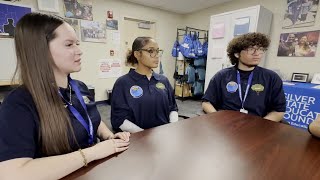
According to a report by SRN News, parents and community members in one Texas district are pushing back after discovering curriculum materials and classroom activities they believe go far beyond cultural education and cross into religious promotion. The controversy has ignited a broader national conversation: Are American schools quietly abandoning neutrality—and if so, why does it seem to happen most often when Islam is involved?
A Local Dispute With National Implications
The situation in Texas may appear, at first glance, to be a localized disagreement between parents and school administrators. But scratch the surface and a deeper issue emerges—one that resonates with families across the country.
Parents reportedly objected to classroom assignments and lessons that portrayed Islamic beliefs and practices in a favorable, sometimes uncritical light. Some alleged students were required to complete activities that mimicked religious affirmations or rituals, while others raised concerns about materials that downplayed the theological differences between Islam and other faiths.
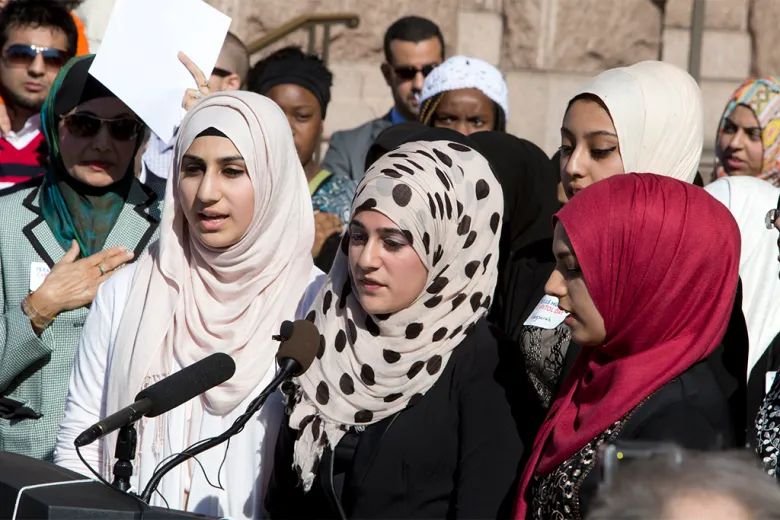
School officials defended the curriculum as “cultural education,” a phrase that has become increasingly familiar—and increasingly controversial.
Cultural Education or Religious Endorsement?
No reasonable parent objects to teaching world history. Islam, like Christianity, Judaism, and other religions, is part of human civilization and should be discussed in an academic context. The problem arises when instruction shifts from teaching about a religion to participating in it.
Many parents ask a fair question:
Would the same latitude be given to Christianity?
Would public schools ask students to write Bible verses, affirm the divinity of Christ, or participate in Christian prayers—even for “educational” purposes? The answer, in today’s climate, is clearly no.
Christian symbols are removed. Nativity scenes are banned. Prayer is scrutinized. Yet when Islam enters the classroom, objections are often dismissed as intolerance rather than legitimate constitutional concerns.
A Double Standard in the Public Square
This perceived double standard lies at the heart of parental frustration. Christianity, the faith most closely tied to America’s founding, is treated as dangerous or divisive. Islam, by contrast, is frequently shielded from criticism, even when concerns are grounded in parental rights and constitutional law.
Critics are quick to label dissent as “Islamophobia,” a term that has become a rhetorical weapon rather than a meaningful descriptor. The result is chilling: parents fear speaking up lest they be branded bigots for simply asking that schools remain neutral.
But neutrality cuts both ways.

The Constitution and Religious Neutrality
The First Amendment does not require the exclusion of religion from public life. It prohibits the establishment of religion by the state. That distinction matters.
Teaching about religions is permissible. Encouraging belief or participation is not.
When schools appear to cross that line—particularly when parents report that opting out is discouraged or stigmatized—it raises serious constitutional questions. Public schools serve families of all faiths and no faith. They are not meant to act as missionaries, regardless of which religion is involved.
Why This Feels Different to Parents
Many parents sense something deeper than a single lesson plan. They see a broader cultural shift—one in which Islam is increasingly presented not merely as a religion, but as a protected ideology immune from scrutiny.
This is not paranoia; it is pattern recognition.
Across the country, similar disputes have emerged:
- Students required to engage in Islamic-themed exercises
- School assemblies highlighting Islamic practices without equal treatment of other faiths
- Administrators dismissing parental concerns as ignorance rather than addressing them
Over time, these incidents create the perception—fair or not—that Islam receives special treatment in institutions that are otherwise hostile to traditional Christianity.
Parental Rights Are Not Extremism
Parents are not demanding censorship. They are demanding consent.
They want transparency. They want the right to review materials. And they want assurance that their children are not being nudged—subtly or overtly—toward religious beliefs that conflict with family values.
That is not extremism. That is responsible parenting.

Ironically, many of the same activists who champion “parental involvement” in other contexts become hostile when parents object to religious or ideological content. The message seems to be: You may be involved, but only if you agree.
The Broader Cultural Context
This controversy does not exist in a vacuum. America is in the midst of a larger debate over identity, values, and national cohesion. As Christianity recedes from public life, something always fills the vacuum. Nature—and culture—abhors a void.
For many Americans, Islam’s growing visibility in schools feels less like pluralism and more like replacement. That perception may be uncomfortable, but ignoring it only deepens distrust.
A nation built on Judeo-Christian principles now struggles to explain why those principles are marginalized while other belief systems are elevated.
What This Means for Nevada—and the Nation
While this case unfolded in Texas, Nevada parents would be wise to pay attention. Educational trends rarely remain isolated. What happens in one state often becomes a model elsewhere, especially when federal guidance, activist pressure, and curriculum vendors are involved.
The question is not whether students should learn about Islam. They should. The question is whether schools will respect boundaries, parental authority, and constitutional limits—or whether ideology will continue to creep into the classroom under the guise of “tolerance.”
A Call for Balance and Courage
America does not need less tolerance. It needs equal tolerance.
That means protecting Muslims from discrimination and protecting parents from religious imposition. It means respecting diversity without abandoning neutrality. And it means allowing honest discussion without weaponizing accusations to silence debate.
If public schools cannot maintain that balance, trust will continue to erode.
Final Thoughts
The uproar in this Texas school district is not about fear of Islam. It is about fear of losing control over what children are taught—and how far institutions are willing to go without parental consent.
Faith matters. Freedom matters. And the classroom is where the future of both is being quietly shaped.
Parents are right to ask questions. Schools are obligated to answer them.
#TheNevadaConservative #TNC #Religion 🇺🇸✝️📚
About the Author